A recipe for success: “Paella”

I dedicate this post to one of my favorite dish to eat, while in Spain, or to cook at home: paella. When it is made properly, you have a recipe for success that can be enjoyed for everyone. You can adapt the basic recipe according to your food preferences: add seafood for a “seafood paella”; add chicken, pork or rabbit (like they do in Valencia, Spain) to the seafood and you have “mixed paella”; add just vegetables and it will be a delightful dish suitable for all vegetarians. As I said before, you can not got wrong with it!

To my opinion, there is not better dish that brings together the fruits of Spain’s rich soil like: rice, fresh vegetables, plump chickens, rabbits, pork, abundance in seafood and shellfish with the use of the distinctive olive oil, than paella.

It is essential to choose the correct utensils and the freshest ingredients to make paella. You will need a special pan that it is different from the regular frying pan that you probably have in your kitchen. These pans called “paelleras” have a special low border about 1 1/5 inches deep and has dips in the central part like a golf ball and two rather large handles on each side. There are paella pans measuring from 7 inches to 1 yard wide and for special occasions for hundreds of people to eat from. When considering  to buy your pan, choosing the right size is very important. Knowing how many people will be eating the paella will help you to choose the right size. Normally, a 13” pan serves 6 people; a 15” pan serves 8 people; a 17″ pan serves 10 people and a 22″ pan serves 16 people.

The traditional, authentic paella is still made nowadays over an open barbecue with kindling wood which, although does not seem to be so important, adds to the correct cooking of the paella.

Before you start preparing paella, it is best to check if you have all the ingredients and the equipment that you will need. Pay attention to the following list:

Equipment:

  • 17 inch (144cm) paella pan
  • Round charcoal BBQ
  • Medium sauce pan
  • Sharp knife for chopping meat and vegetables
  • Meat cleaver (if you use a whole chicken)
  • Aluminum Foil or Large Tea Towel to Cover Paella

Ingredients:

  • 1 yellow onion, diced
  • 2 medium tomatoes, diced
  • 1 whole chicken or 8 chicken drumsticks
  • 1 1/2 lbs pork loin (fat trimmed), cut into ¾ inch pieces
  • 1/2 lb calamar (squid) cleaned and sliced into rings
  • 3-4 cups of medium grain or “pearl” rice* (The exact quantity of rice will depend on the size of the pan, so have at least 1 lb of rice on hand)
  • 4-6 cups chicken broth
  • 1 large pinch Saffron
  • 1 1/2 lbs raw mussels in shell (frozen or fresh)
  • 1 lb small clams (frozen or fresh)
  • 1 1/2 lbs raw shrimp, medium or large – shell on
  • 1 red pepper seeded and sliced
  • 1 10 oz. bag frozen peas
  • Olive Oil, Salt to Taste
Procedure:

Cut the Chicken and Pork into Serving-Size Pieces – You’ll need one whole chicken, cut into serving-size pieces or 8 chicken drumsticks. If you use a whole chicken, use a meat cleaver to cut the chicken into pieces small enough to easily mix while sautéing.

With a sharp knife, cut the pork into 3/4″ pieces.

Clean the squid and remove the tentacles. Make sure to remove the innards and the “spine” and discard. Then, cut the squid into rings.

Important: Try to buy fresh squid whenever possible. If fresh squid is not available, look for packages of squid in the frozen food section. The squid should NOT have batter or coating on them, since that type is used for frying.

Slice red pepper and chop onions and tomatoes, set aside.

Now that you have the ingredients cleaned and chopped, it’s time to start the BBQ and begin cooking. When the coals on the BBQ are covered in white ash, cooking can begin.

Assemble all the ingredients on a table near the BBQ, so that you can stay in the area and monitor the cooking.

Place the paella pan on the grate and add enough olive oil to coat the bottom and allow the pan to heat up. When hot enough, sauté the onions and tomatoes in the olive oil. Add olive oil as needed to prevent sticking. Once the onions are translucent, add the chicken and cook, stirring constantly – about 15 minutes. Add pork and squid and cook, stirring often.

Add the rice, sprinkling in the form of a large cross on the pan. (Have approximately 1 lb of rice on hand for this.) Stir for 2-3 minutes to thoroughly coat the rice with oil and mix with the other ingredients.

Add saffron threads to the chicken broth and stir. Slowly pour broth into pan until pan contents are covered. Spread ingredients evenly over bottom of pan.

Arrange mussels around outside edge of pan, pointing up. Place clams and shrimp in pan, distributing them evenly around the pan. Add slices of pepper on top.

Allow to simmer and add more broth if necessary. (If fire becomes too hot, raise the pan up, away from the heat.). Add the frozen peas at the end when the rice is almost cooked.

When the rice is ready remove from heat and cover with aluminum foil or large tea towel, allowing paella to “rest” for 5 to 10 minutes before serving. If rice has been cooked properly, the rice grains should be loose, not clumped together or with mushy texture.

For an extra touch to your dish, arranged small wedges of lemon and fresh aromatic herbs like rosemary, then serve and enjoy the goodness of a Spanish Paella!

If after reading this recipe you are still not quite convinced in making some at home, just take a look at these pictures. I guarantee you will be gathering all the ingredients and cooking in no time or buying the next flight ticket to Spain.
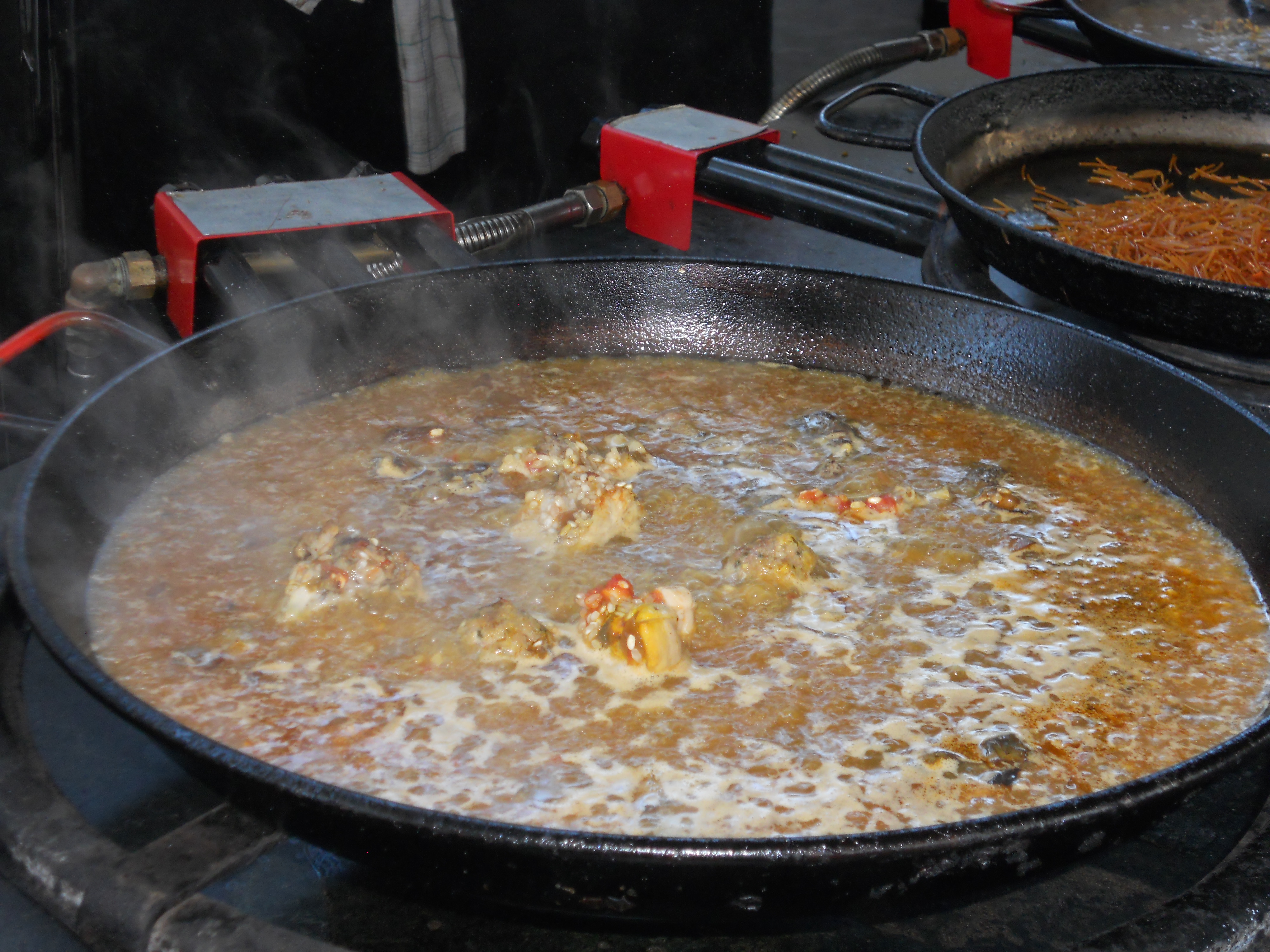
early stage of the cooking process of the paella
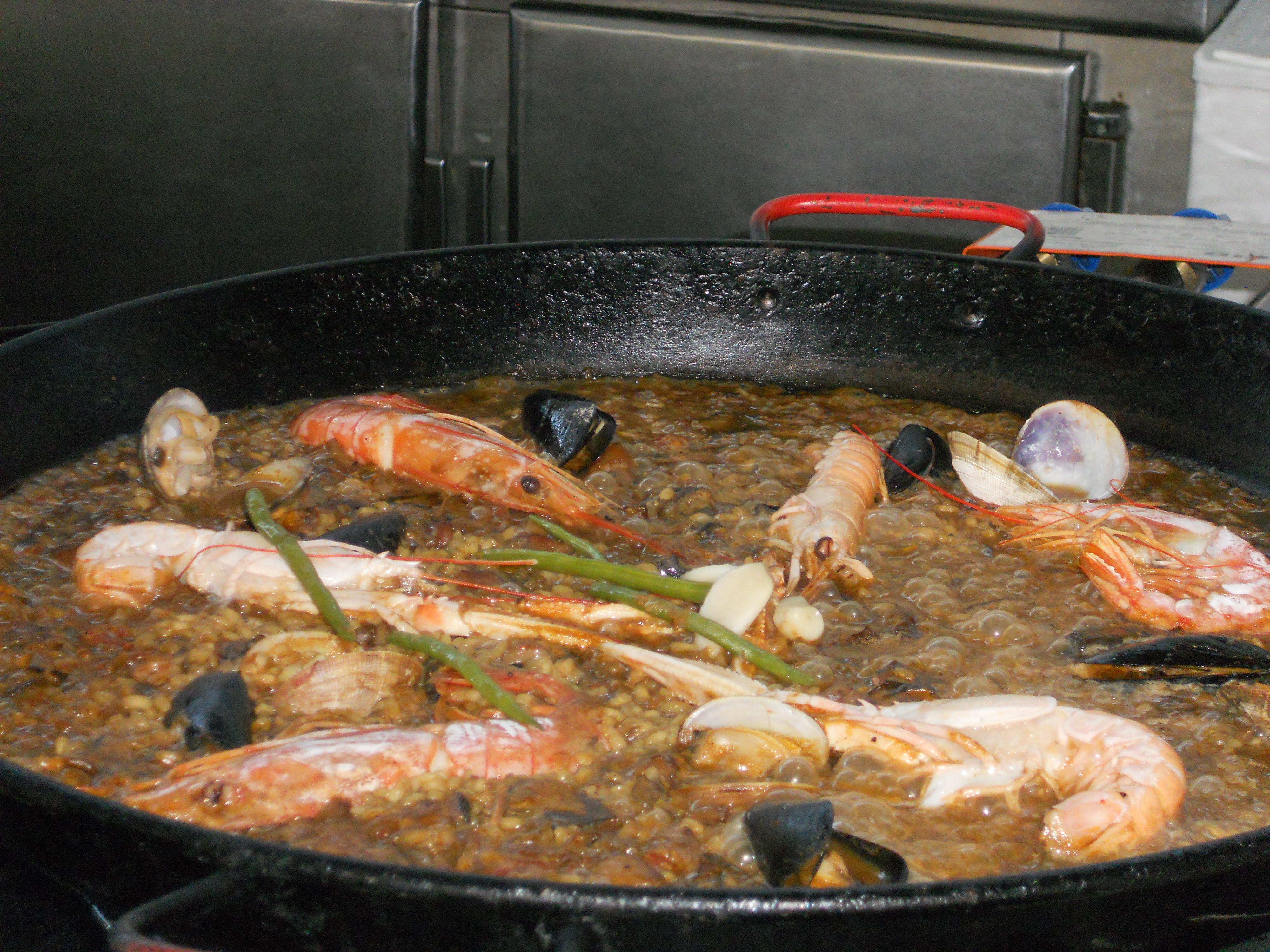
Almost ready to be served and enjoyed …
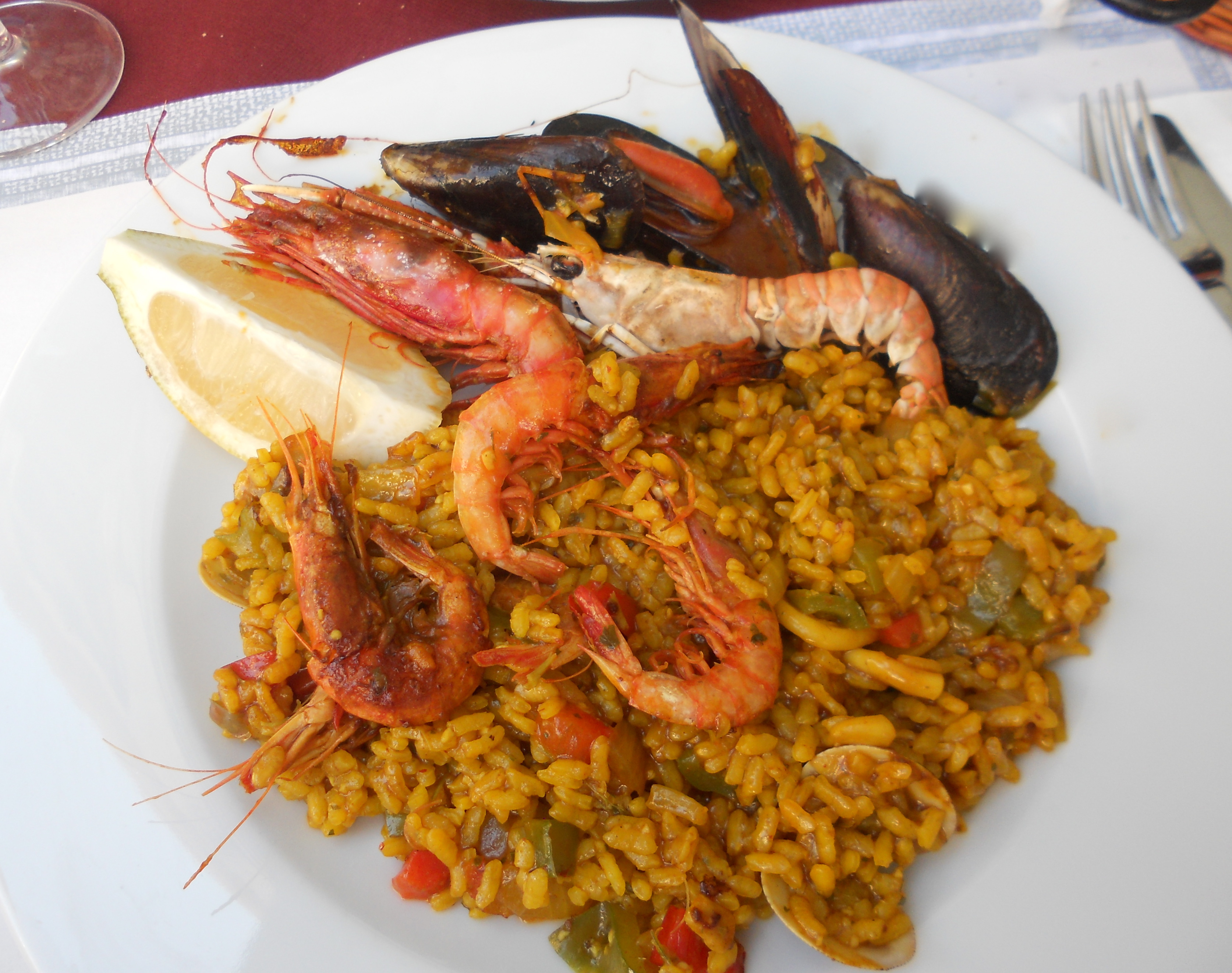
Let’s eat!

Fideua: is other version of the traditional recipe made with short angel hair pasta (cabellos cortos) instead of rice. Very popular dish in Barcelona

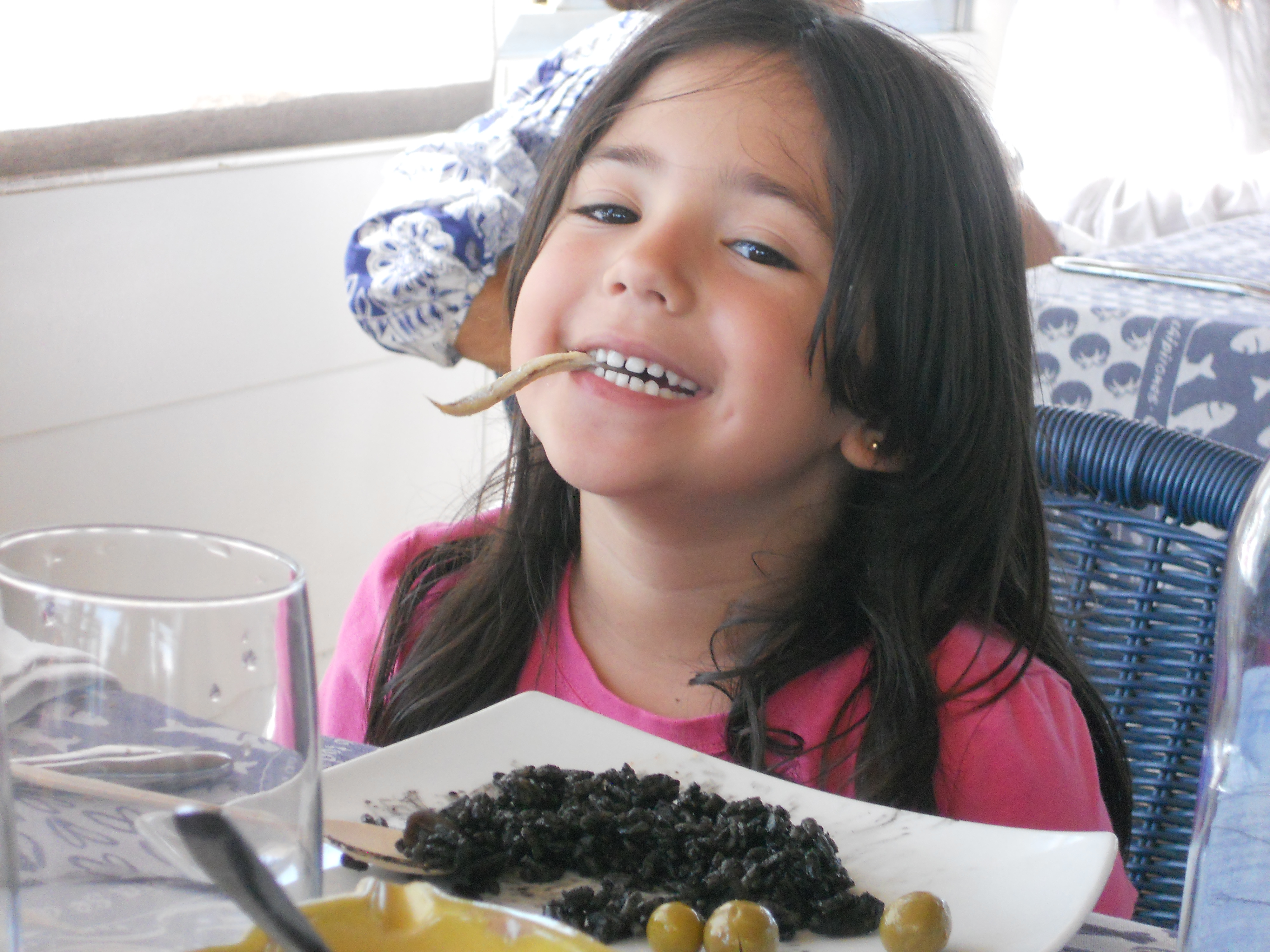
If you are visiting Barcelona a must place to enjoy paella, fideua and black rice is “El Xiringuito de Escribá”. You will be delighted by the food, the service and by the amazing location by the beach
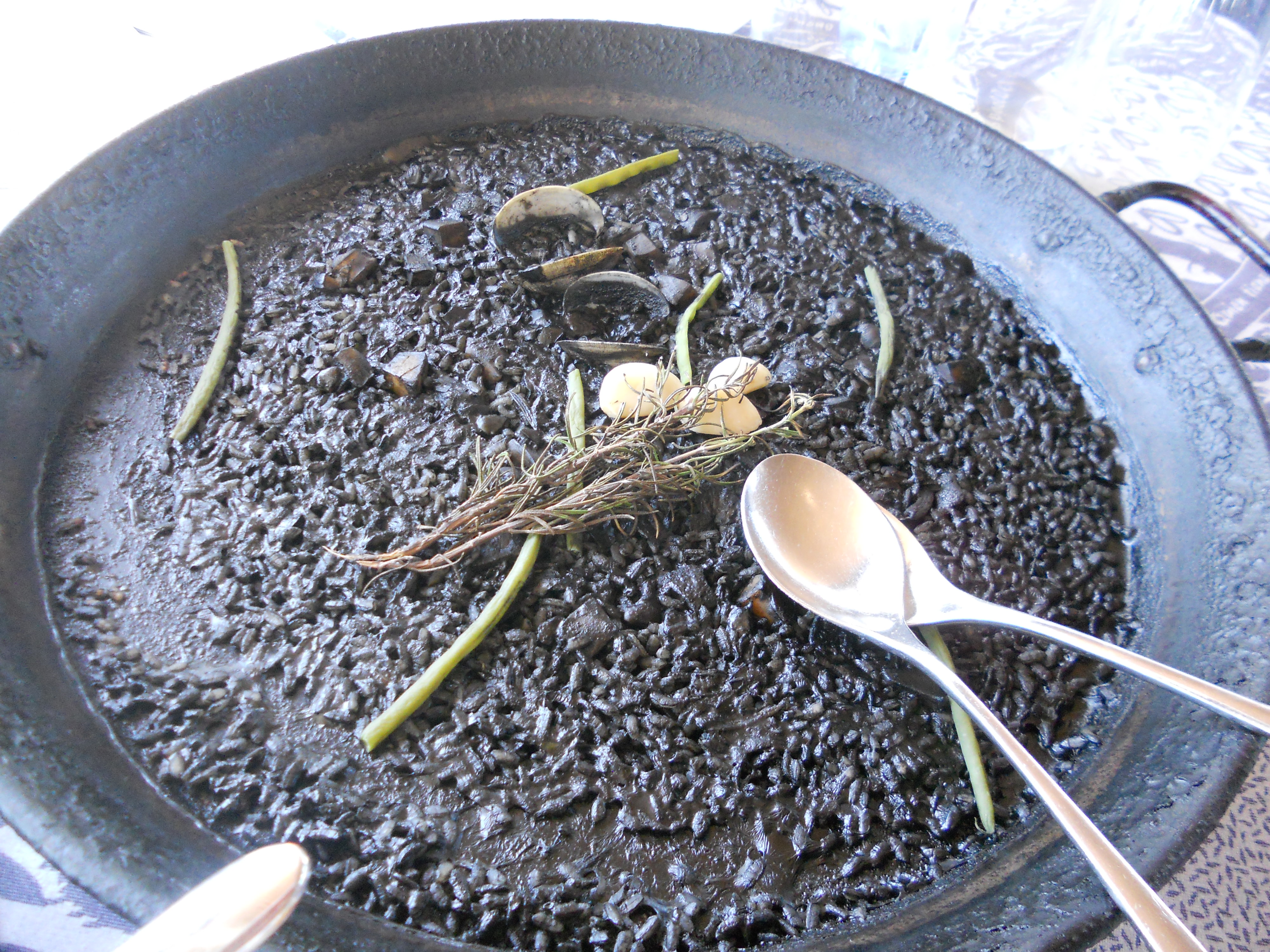
“Black rice”

restaurant: “El Xiringuito de Escribá” in Barcelona
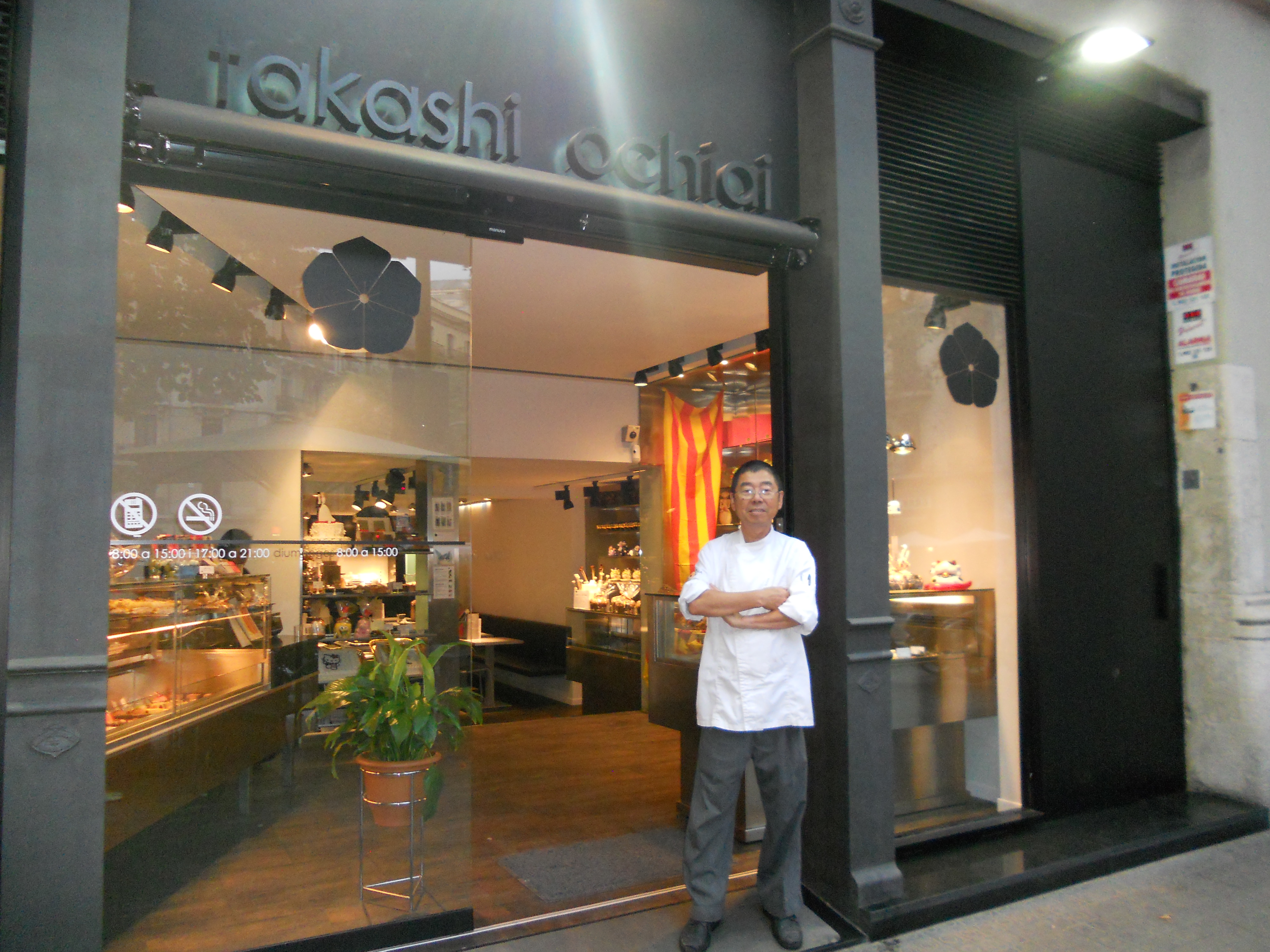
Made in Japan

Is it possible to find authentic Japanese desserts, pastries, cakes and even chocolates in Barcelona?. The answer is: Sí! and by the hand of the well-known Pastry Chef: Takashi Ochiai. He is the only Japanese pastry chef that has his own patisserie in Spain.

Chef Takashi Ochiai opened his first patisserie in 1983 and since then, you will find him every day in his “obrador” (pastry kitchen), working with so much passion and creating a wide repertorie of delicious Japanese pastries and treats. As Chef Ochiai’s own words will state: “everything at my patisserie is made in Japan; from the chef to the chair you sit in my tea room”. This Chef fidelity to his country and culture makes “Ochiai Pastisseria” unique and exclusive in Barcelona.

Before coming to Barcelona, Chef Takashi Ochiai, was already working in the pastry industry in well-known patisseries and restaurants from the Michelin guide. There, he learnt all about artisanal chocolate work. Time passed by and chef Ochiai decided that it was time to go on a “gastronomic adventure” (sounds familiar…) that brought him to the top restaurants in England where he worked and learnt from French Chefs all about “avant-garde” culinary and pastry creations. Once in England, Chef Ochiai not only made peace with his inner ambition of learning more, but he also met his lovely wife: María Carmen, who happened to be from Barcelona. And we all known what that meant: destiny was calling again to Chef Ochiai, and a new door was opening up before his eyes!. This young couple moved and settled down in Barcelona where they opened their first patisserie.

In the beginning, chef Ochiai only offered pastries to the taste of the “Catalan palate”, you know, “brazo gitano con nata” (swiss roll with Chantilly), “ensaimadas” (traditional flat pastry with pastry cream), and more. But destiny was going to knock his door again and this time by the hand of a Japanese business man who found very strange to see a Japanese pastry chef making “Catalan” pastries. That was a time of reflexion for Takashi Ochiai who understood that he needed to come back to his roots, to his culture and the flavors of the beautiful Japan.

Nowadays, at “Ochiai Pastisseria” we can taste the authentic flavors of Japan in each bite. From “dorayaki” (biscuit filled with soybean confit that is famous because it is the delight of the kid’s cartoon character named Doraemon), “green tea mochi” (a best seller), “kurimanju” (paté brisé dough filled with chestnut confit), “kimishigure” (made with white soybean paste and egg yolk soybean paste), “kastera” (a very moist sponge cake that was brought to the city of Nagasaki in 1543), to traditional cakes, tarts (like yuzu mousse tart), chocolate truffles,  and much more!

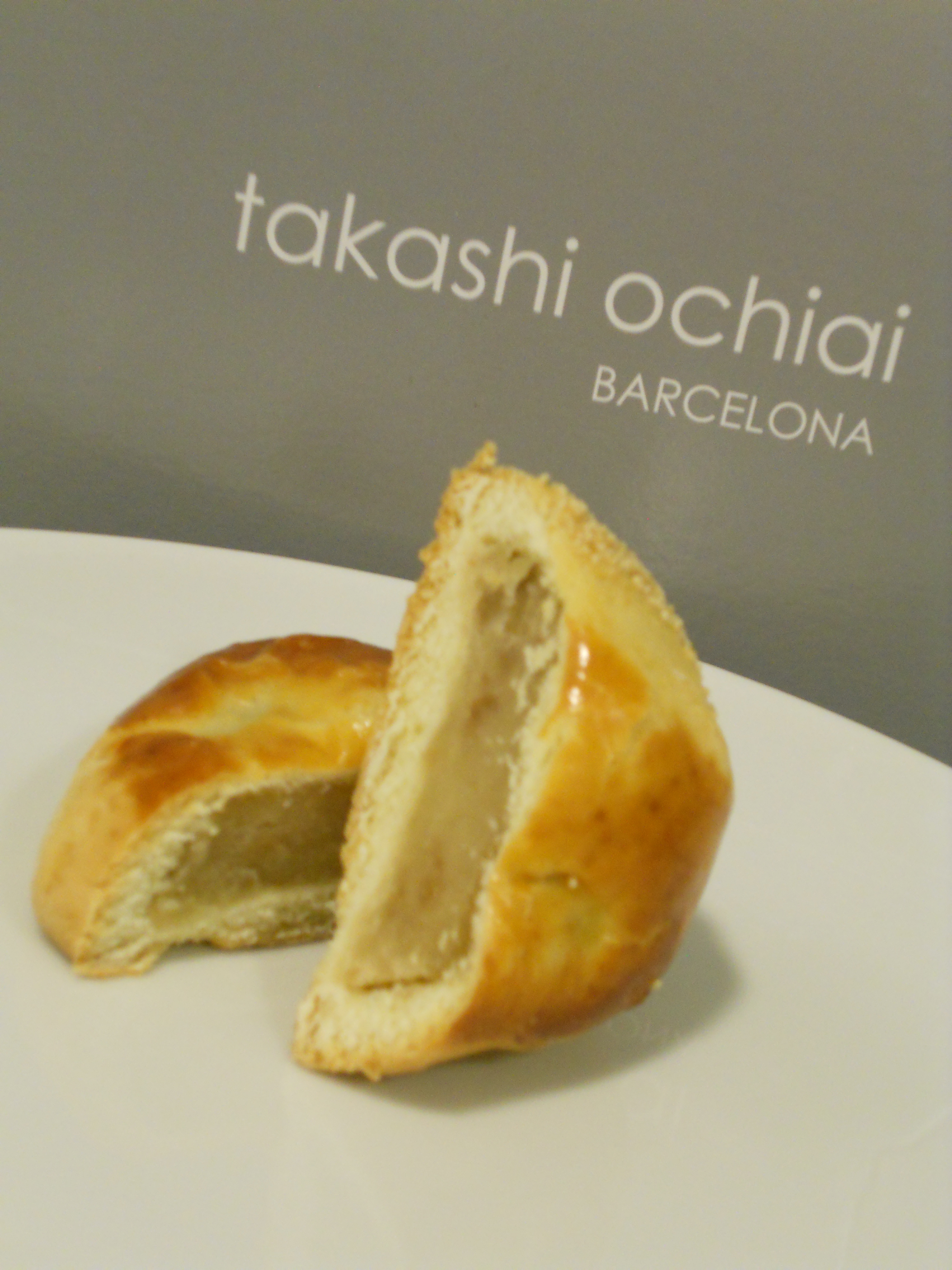
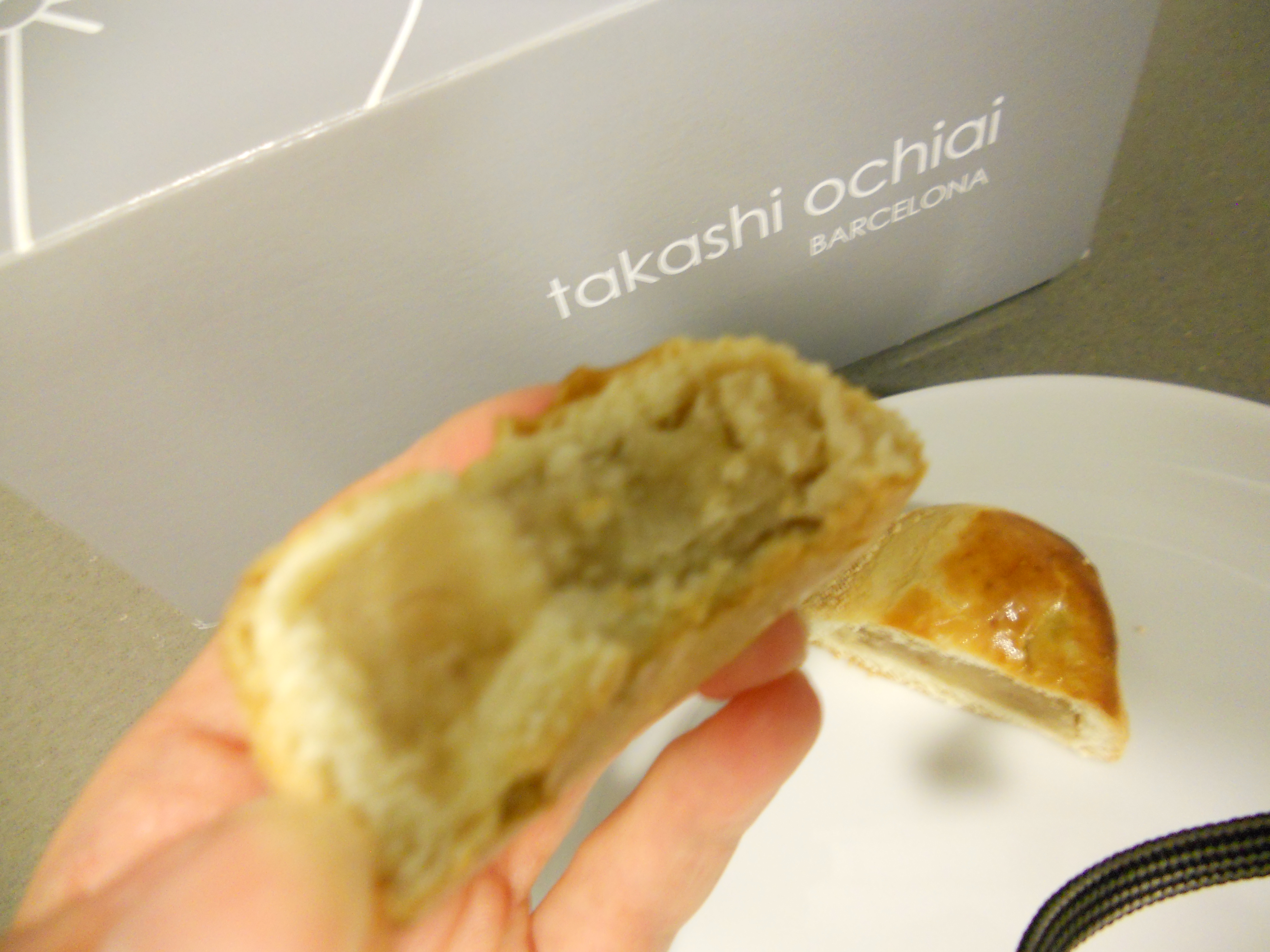
“kurimanju” before

and “kurimanju” after

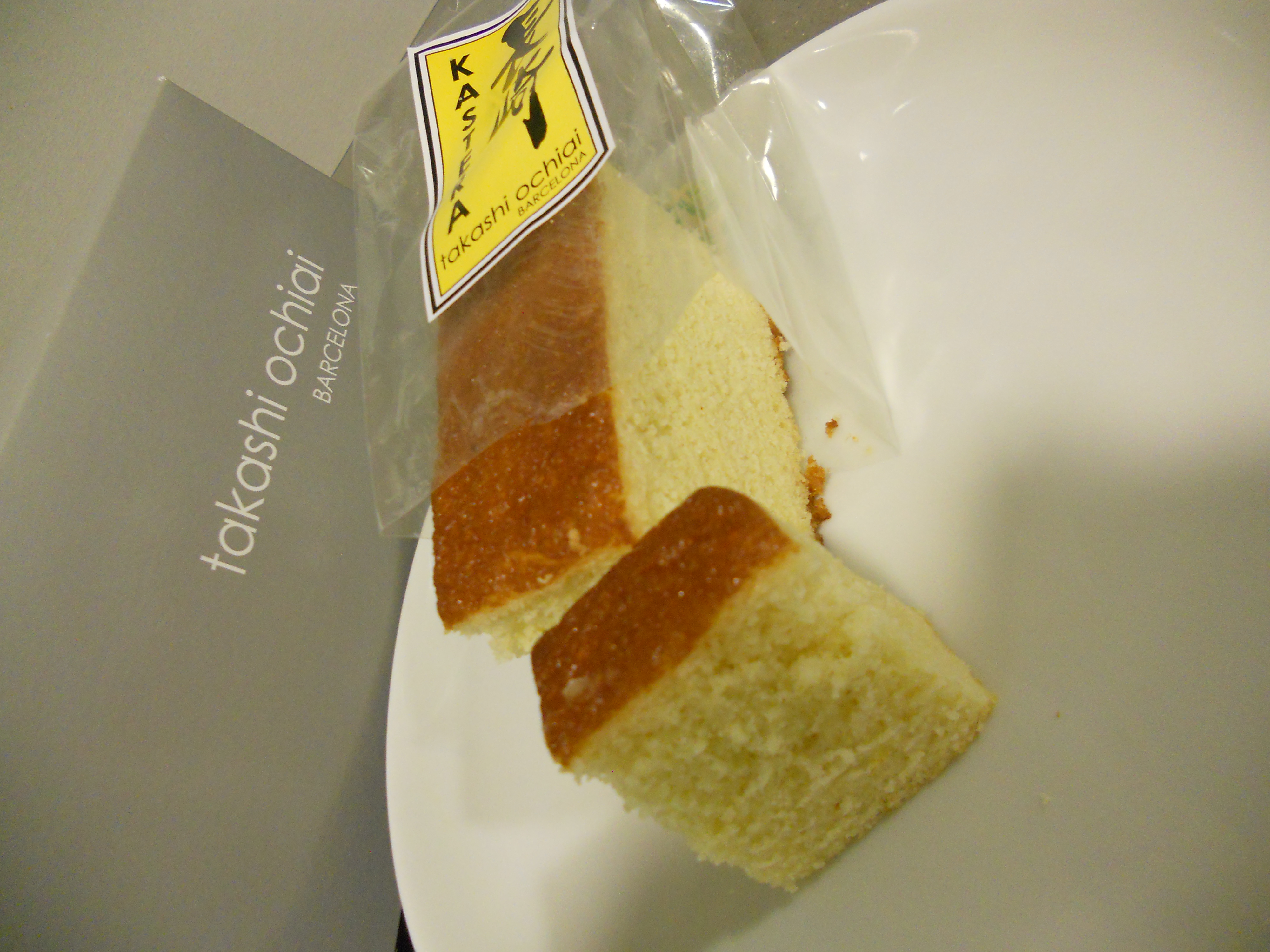
unwrapping the goodness of this “Kastera” super moist sponge cake with delicate flavors

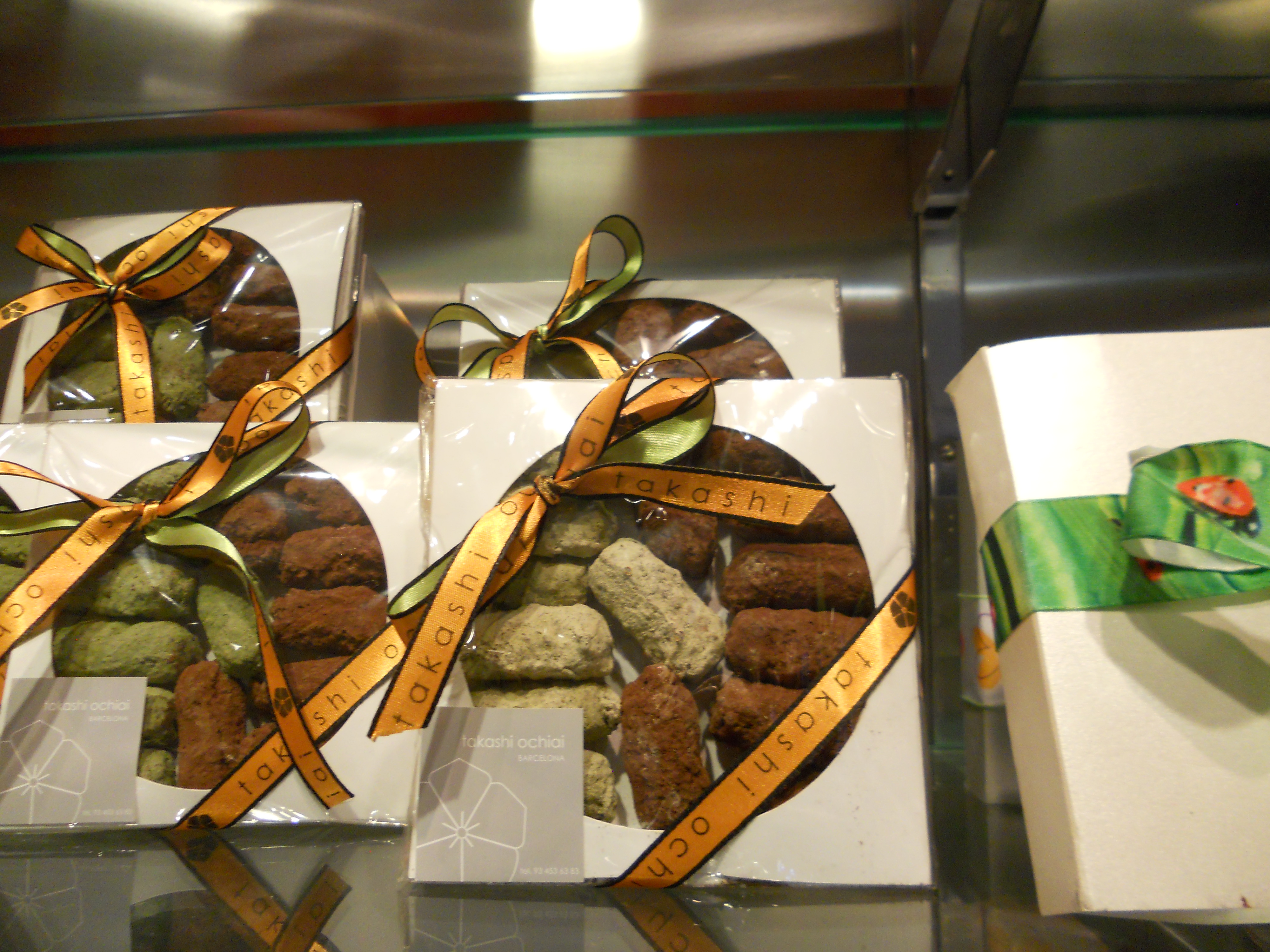
“Matcha- passion fruit” and chocolate truffles ready to go in a nice packaging imported from Japan

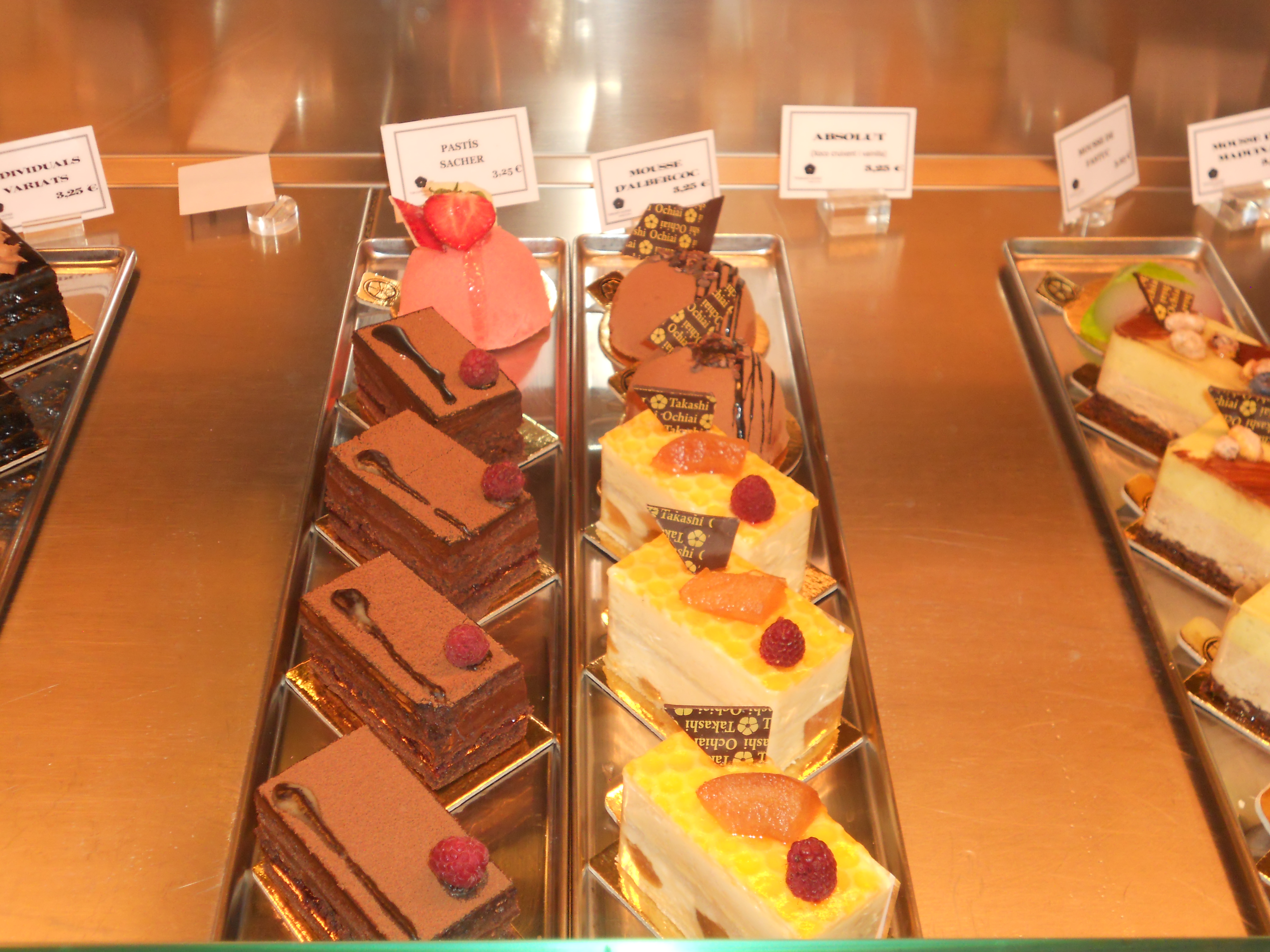
chocolate-mint mousse, Opera cake, Mont blanc, yuzu mousse, Matcha and raspberry mousse, yogurt and mango mousse, are many of the individual tarts and cakes you can find at the patisserie

Isn’t it cute?… it is the “Erizo” cake! … sponge cake, heart of chocolate mousse, chocolate ganache and toasted pine nuts. A delicious cake for a child or for an adult with a child’s heart… your choice.

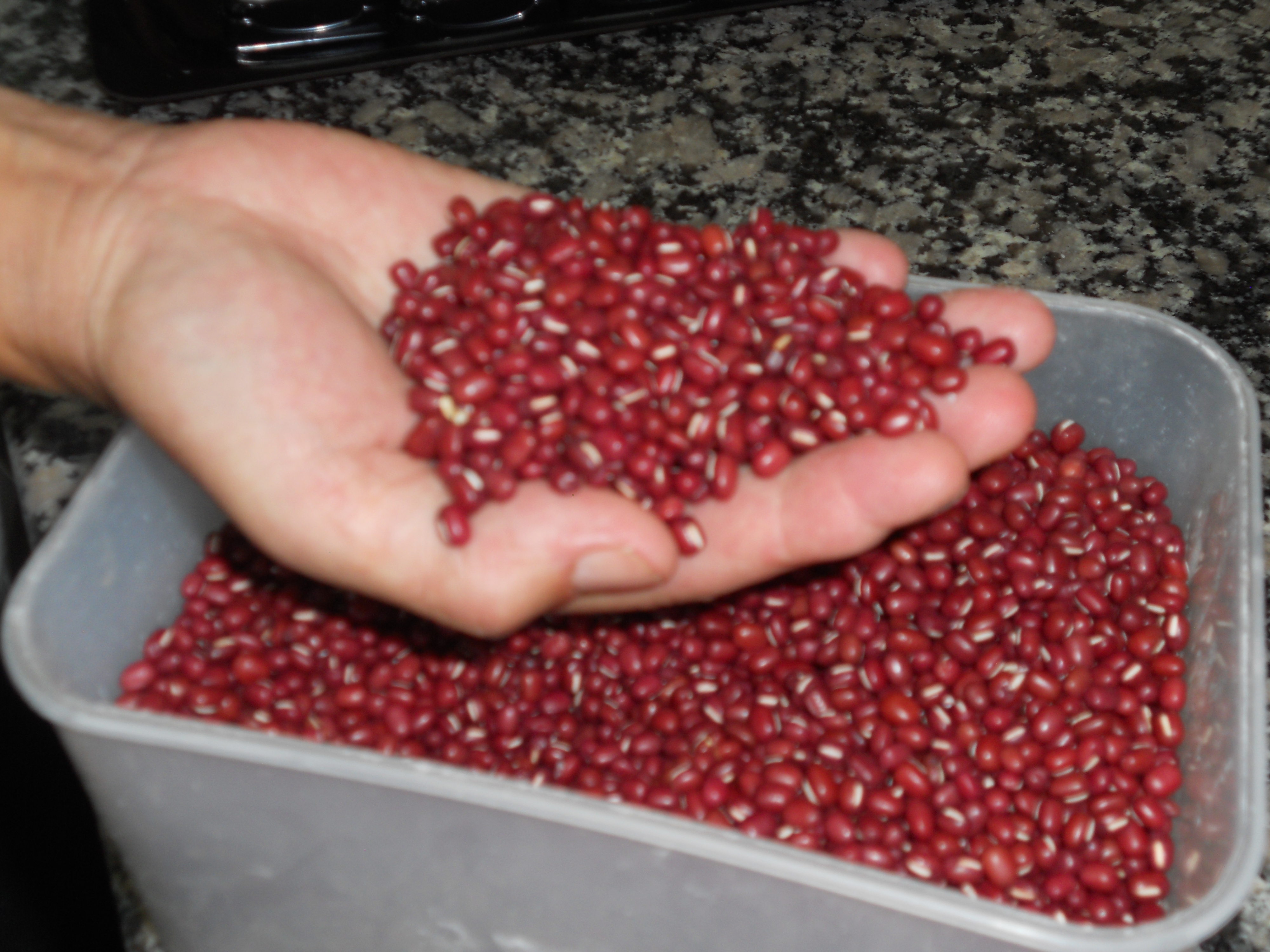
These Asian soybeans named “Azuki” are the stars of most of the Japanese desserts and pastries

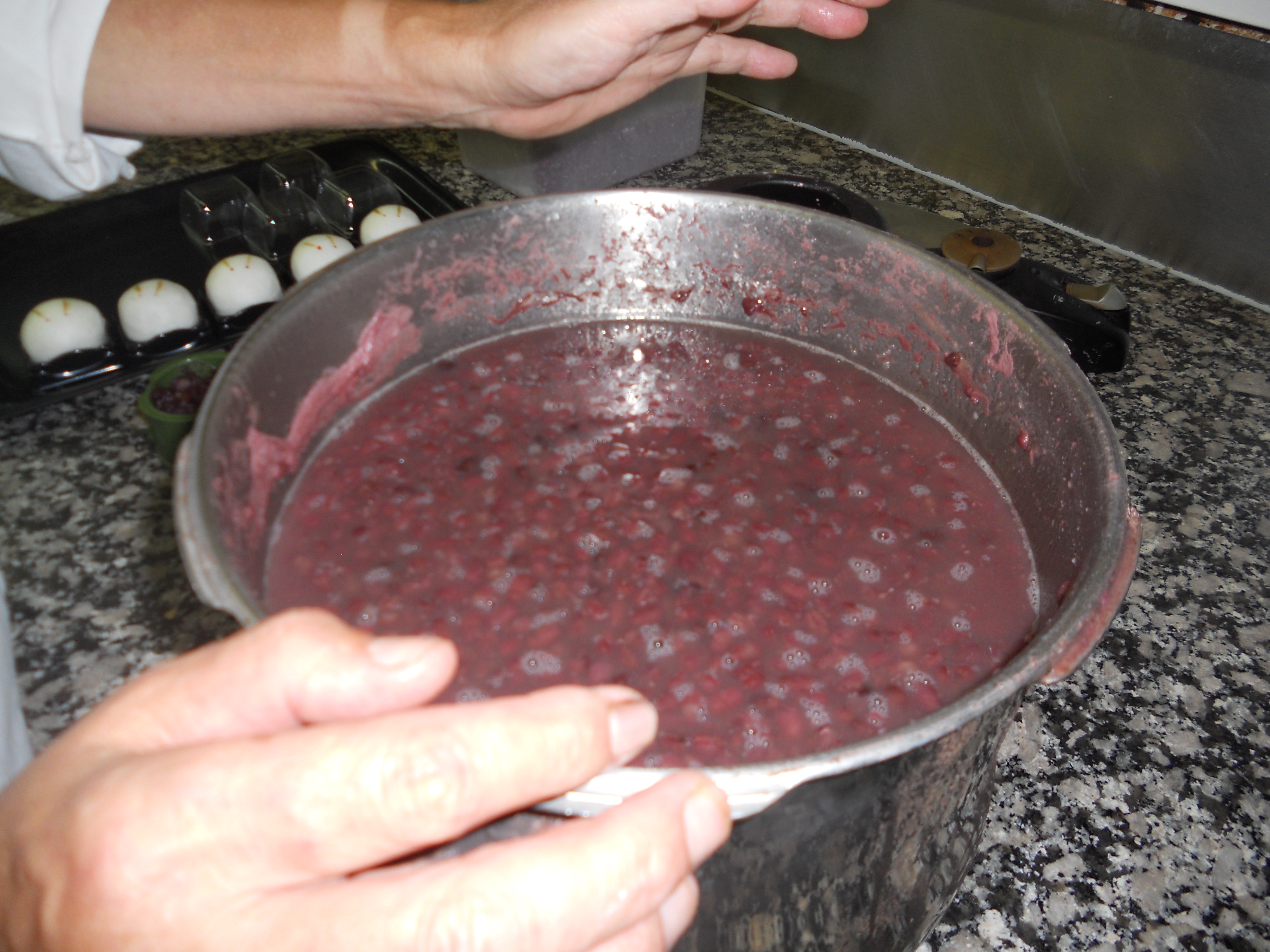
The “Azuki” soybeans are simmered in a pot with water and sugar for 12 hours to obtain the soybean confit that will be incorporated in some of Chef Ochiai’s creations

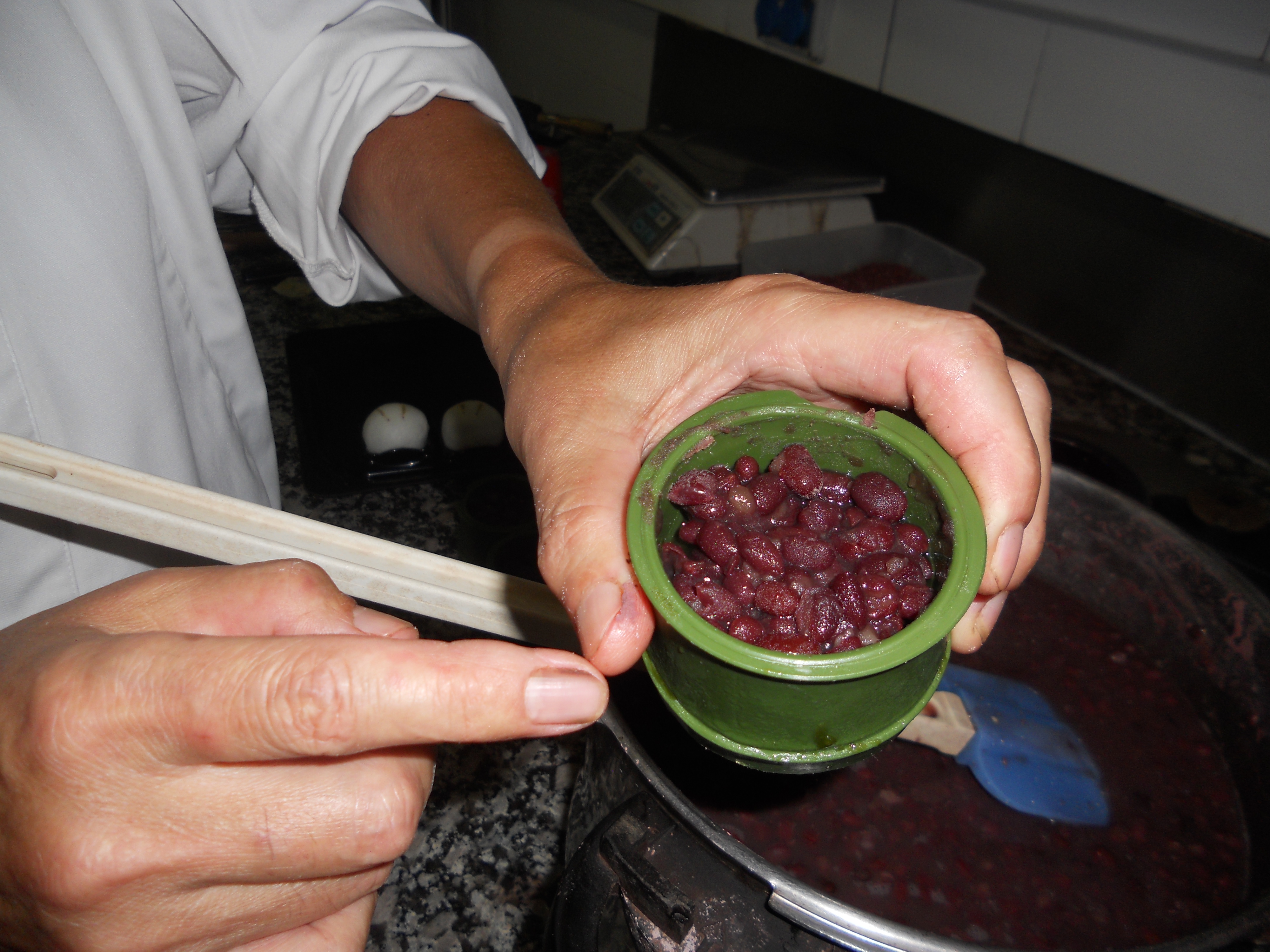
“Azuki” Soybean confit that is used in many traditional Japanese pastries like: “Daifuku”, “Fumanju” and “Dorayaki”

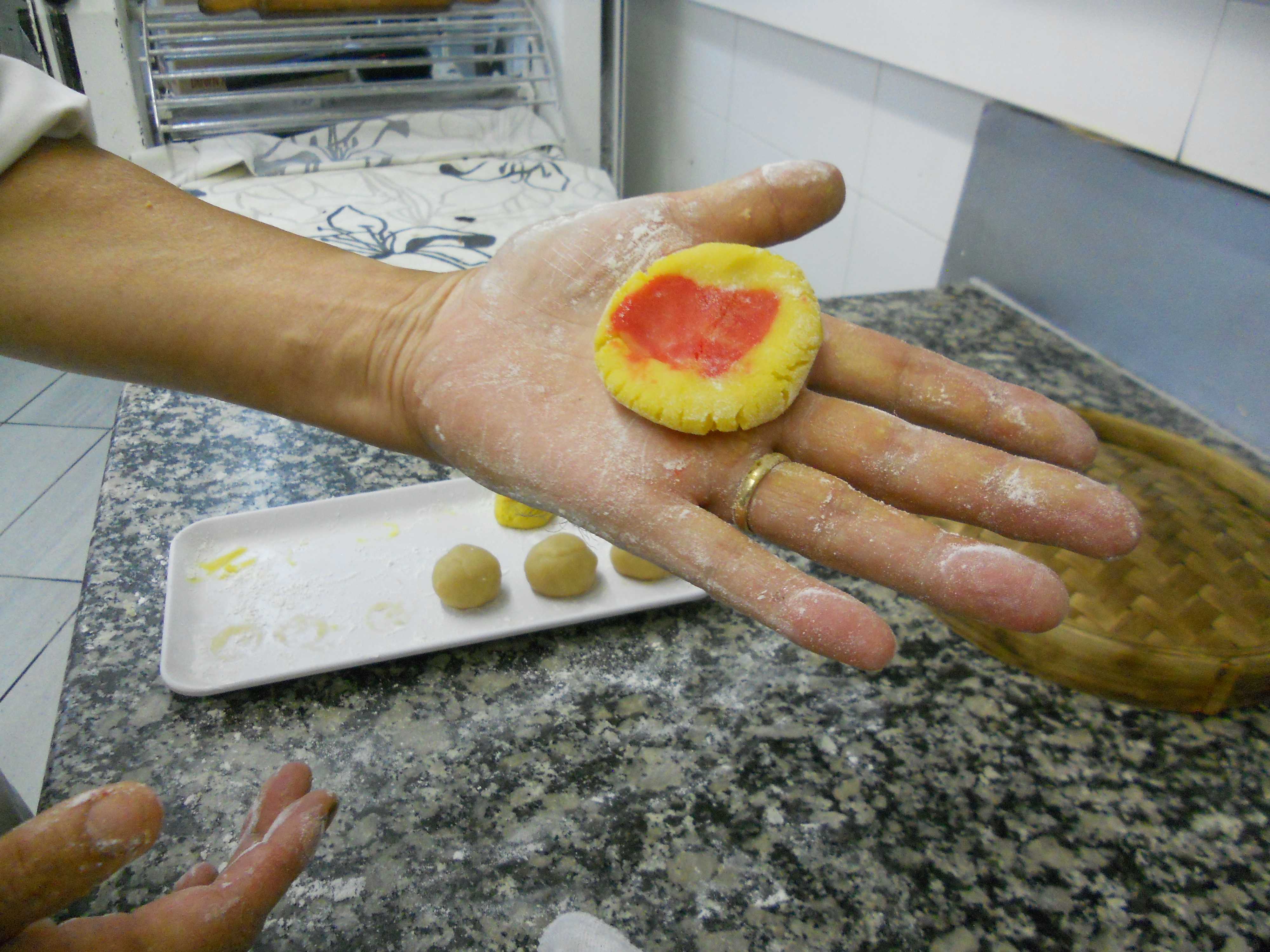
Chef Ochiai makes “kimishigure” by first flattening the soybean-egg yolk paste with red food coloring

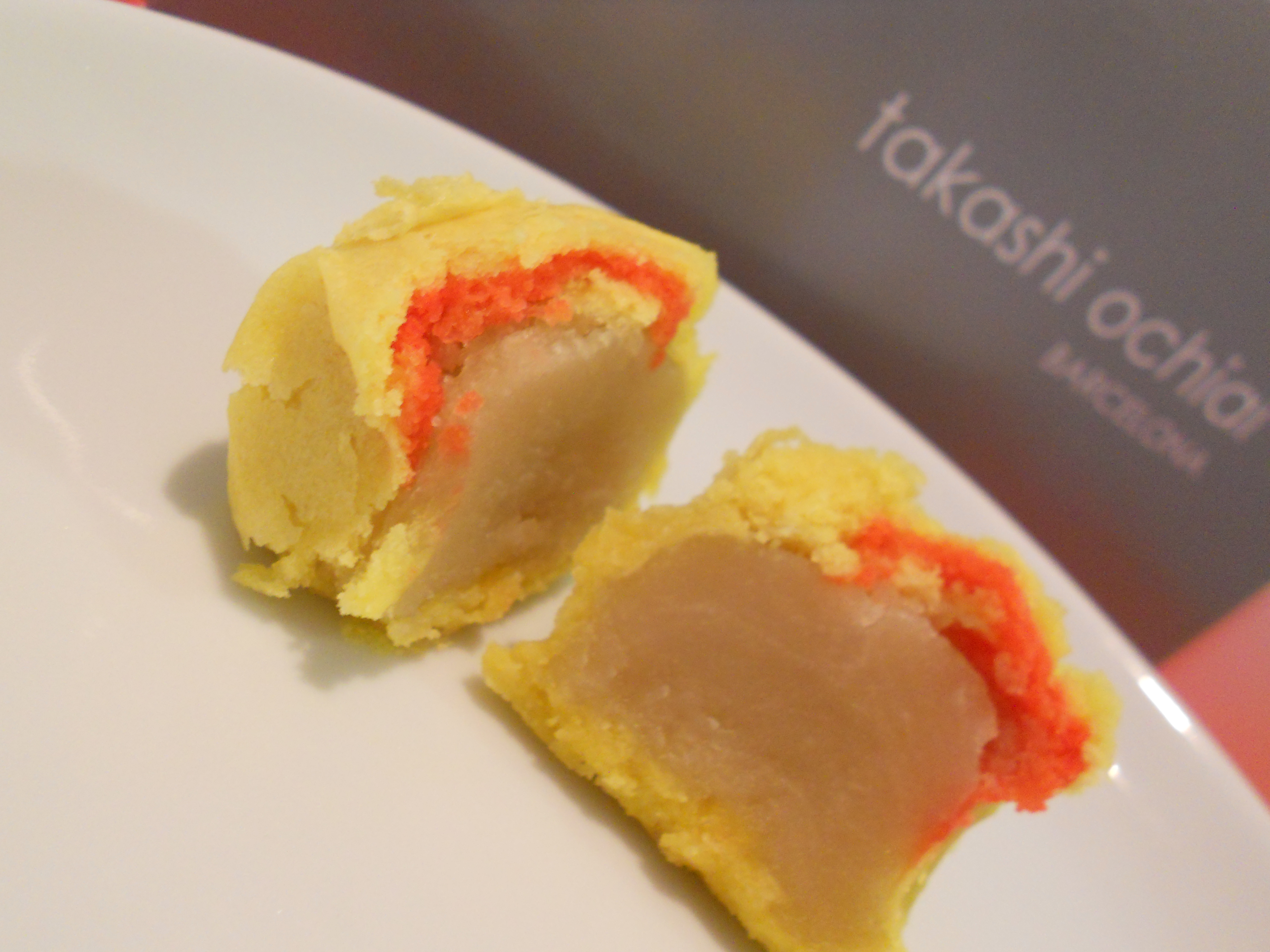
Then, he adds the white soybean paste in the center being careful to keep the same consistency in both pastes. That will help us to obtain a “kimishigure” that will not break during the steam cooking process

Prepare those hands because it is time to be shaped into a round nice “kimishigure”

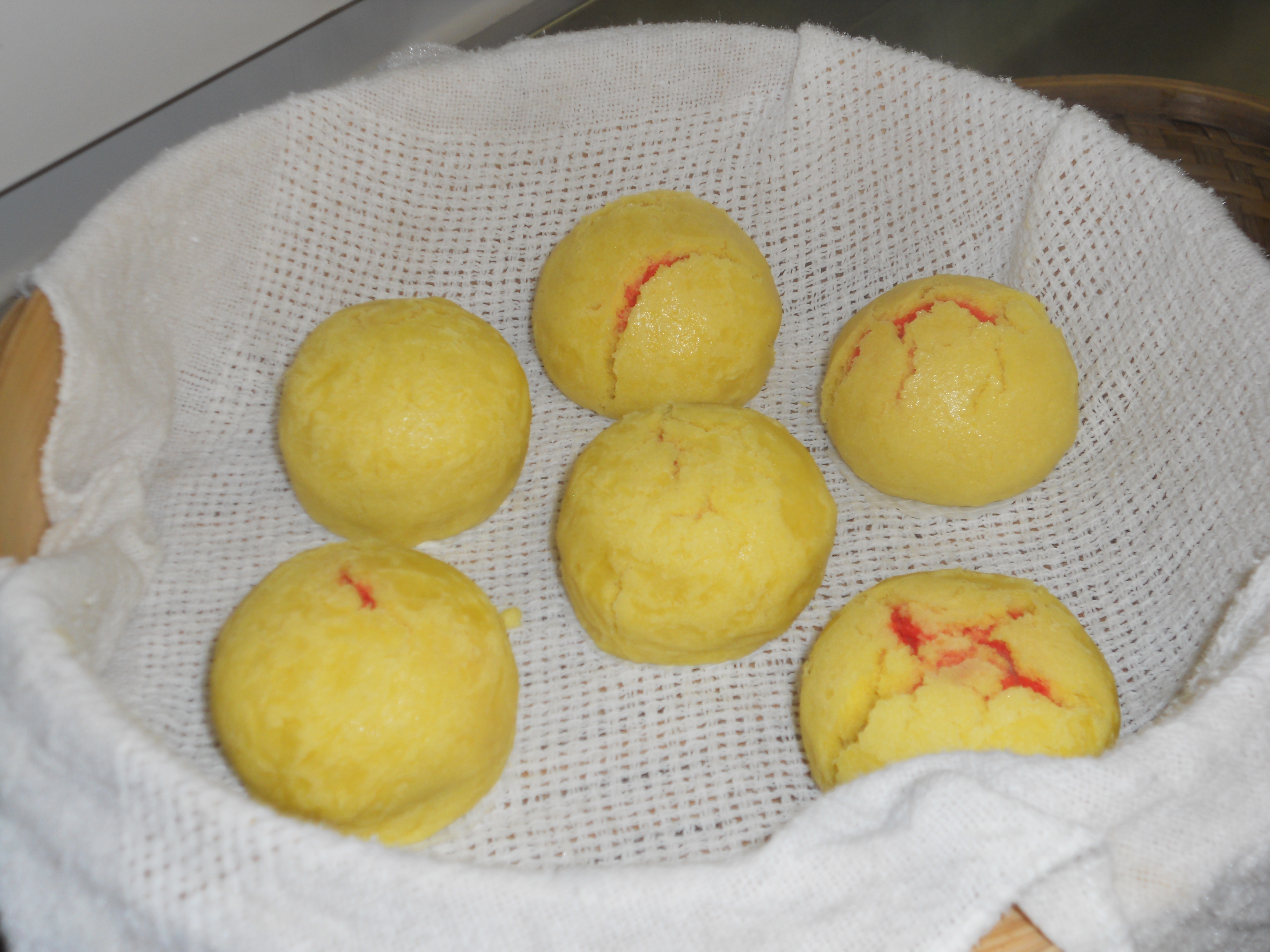
After cooking in a Japanese bamboo covered steamer for ten minutes our “Kimishigure” are almost ready to be tasted!

Oh, you are looking so good “kimishigure”!… ok, I will let you cool off at room temperature for a while, but after that, you are all mine!

The Master and the masterpiece!

yummy! …

So, now you know, if you ever come to Barcelona and your cravings call for authentic Japanese pastries and dessert: “Ochiai Pastisseria” is the place to go. You can either enjoy the Chef’s creations at his tea room or bring some home, like this nice box of assortment pastries packed exclusive “pour moi”. Arigato Chef Ochiai!

Walking down “La Rambla” and finding my sweet tooth

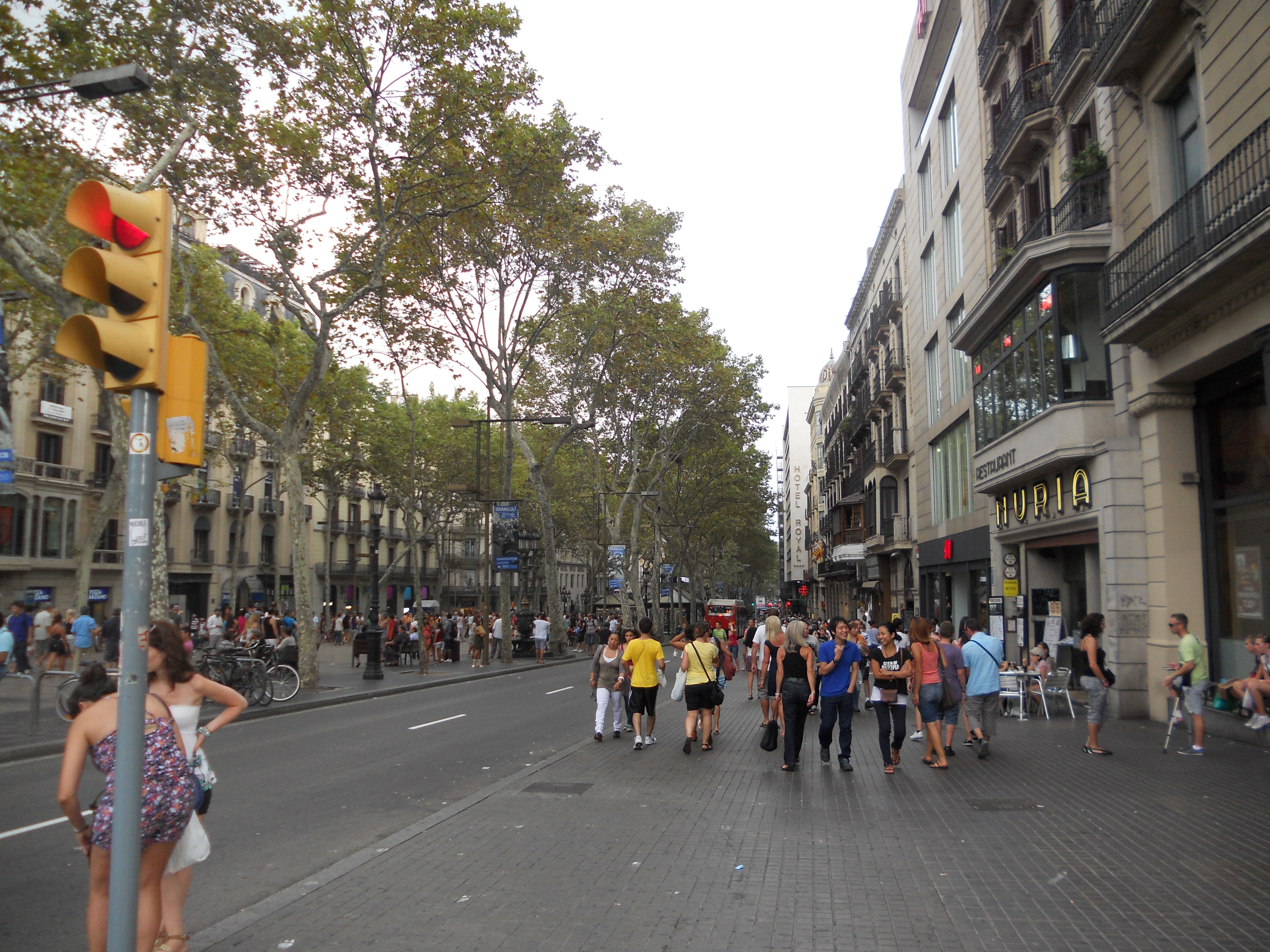
“La Rambla” , in the heart of the City, is Barcelona’s great strolling boulevard and the centerpiece of life in this Catalan capital. You can find crowds at all hours of the day filing past vendors, food markets, cafes, and historic buildings.

Walking down the main avenue of “La Rambla”  you will find a lively sucession of newspaper kiosks, fresh flower stands (with cheaper prices than other parts of the city), bird sellers, candy stands, and crowd-friendly human statues in their costumes and face paint (my apologies that I was not able to take their pictures yet, but some of these human statues look so real and scary …).

“La Rambla” is actually composed of five smaller streets (Rambla de Canaletes, Rambla del Estudis, Rambla de Sant Josep, Rambla dels Caputxins, and Rambla de Santa Monica). Each street has its character that makes it unique and attractive in its own.

Walking down this streets you really have to watch your valuables, meaning: get your purse close to your sight and avoid distractions. Kind of hard thing to do when you have so many things that are trying to catch your attention, like those vendors who make peculiar noises like bird singing, in order for you to come closer to them.

Despite all the nice and attractive shoe and fashion stores (ok, you guessed it again, I am crazy for fashion too!) that I could also find at “La Rambla”  and the temptation of getting into the shopping mode, I was determinated to get my mission done. I was in the search of one of Barcelona’s oldest and best-known pastry and chocolate shop since 1906. This little shop on “La Rambla” with a shimmering Modernista exterior of colorful broken glazed tiles, á la Gaudí, is one of the 3 shops owned by the succesful Escribá family. A stop here was essential!

This little shop has a nice tea salon inside and an outdoor cafe as well. I got some pain du chocolat and croissants to go and definetely I will be back for more!. From bollerías (bread), artisan chocolates, seasonal pastries to wedding cakes, this patisserie is worth to be visited.

All along “La Rambla”  you will find more sweet spots where you can delight your eyes and satisfy your cravings for sweets


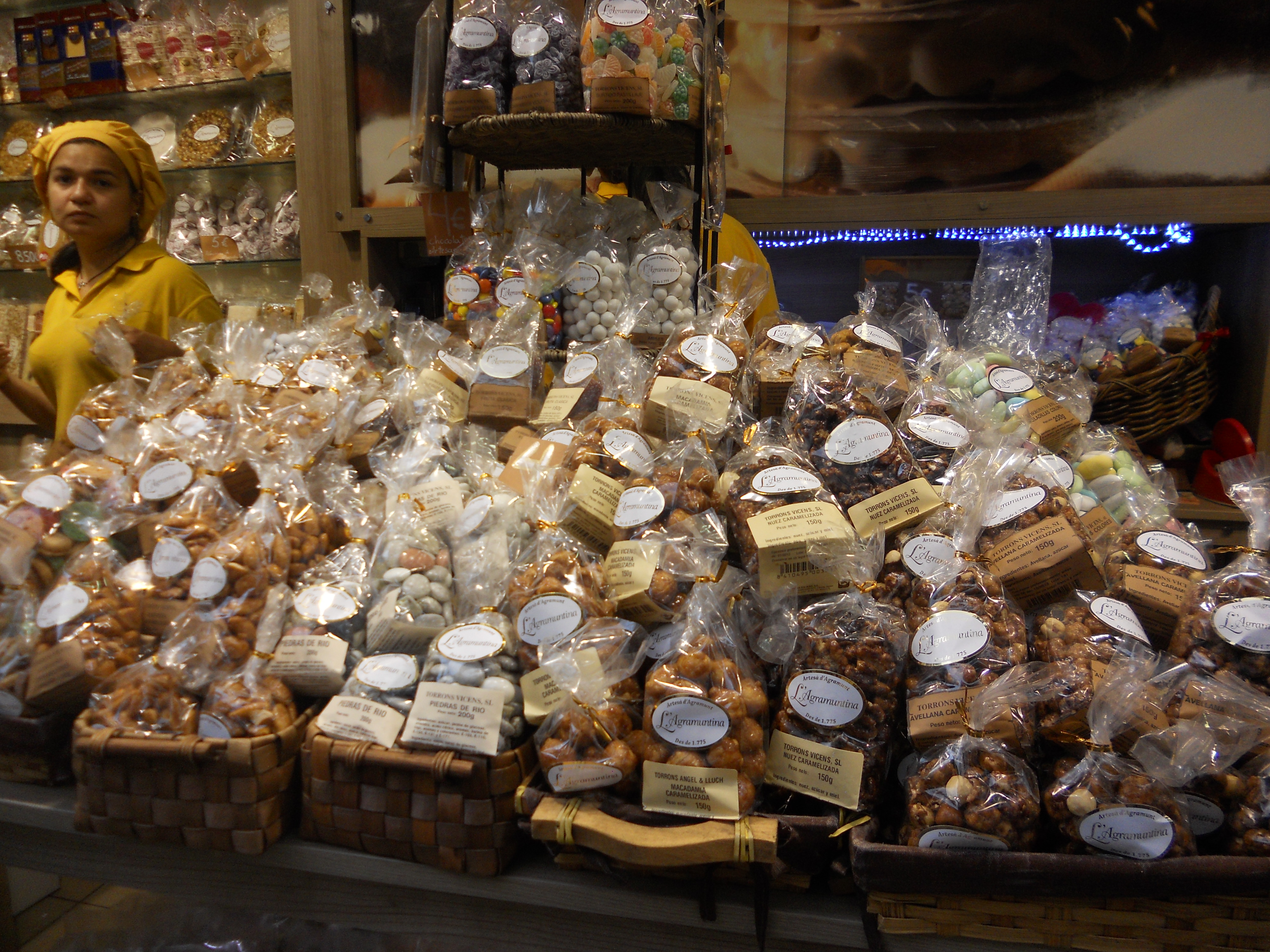
candies, nougats, candied nuts, chocolates, pastries ….

cookies, caramelized nuts …

Xocolata a la pedra (chocolate brick) is what you need to achieve a delicious, thick and rich hot chocolate with whipped cream, known as a suís (Swiss), very popular in the cafés

assortment nougats

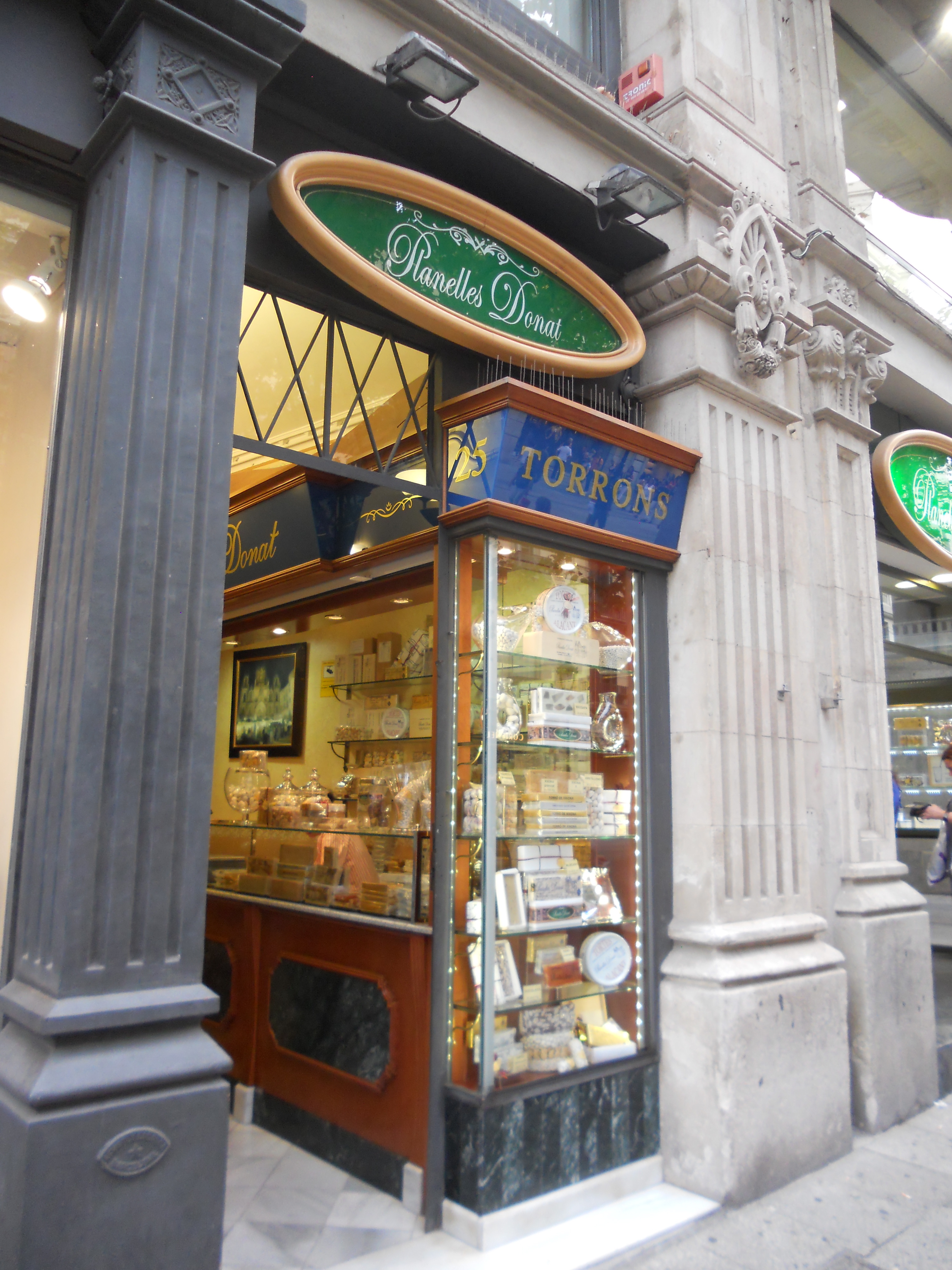
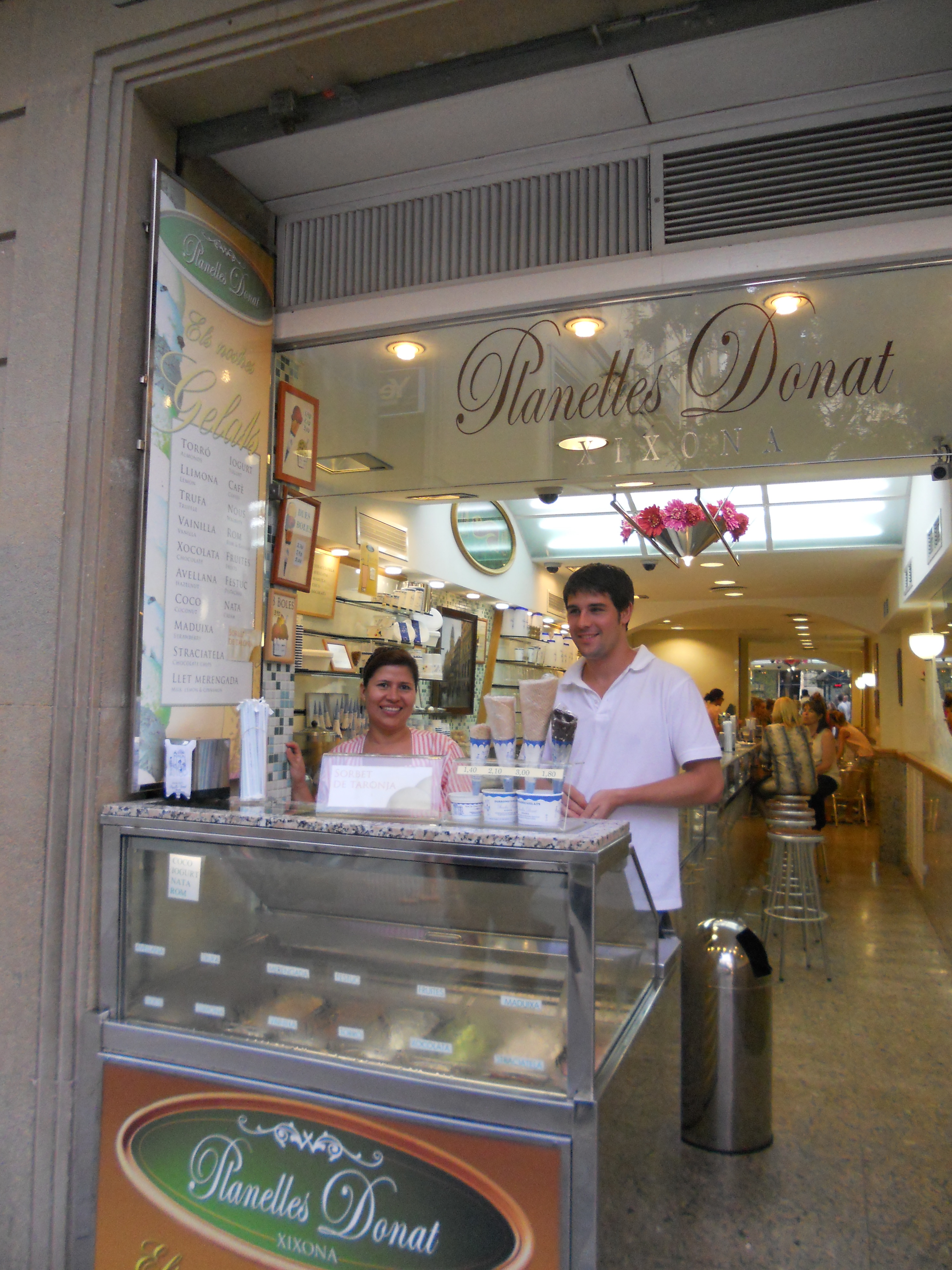
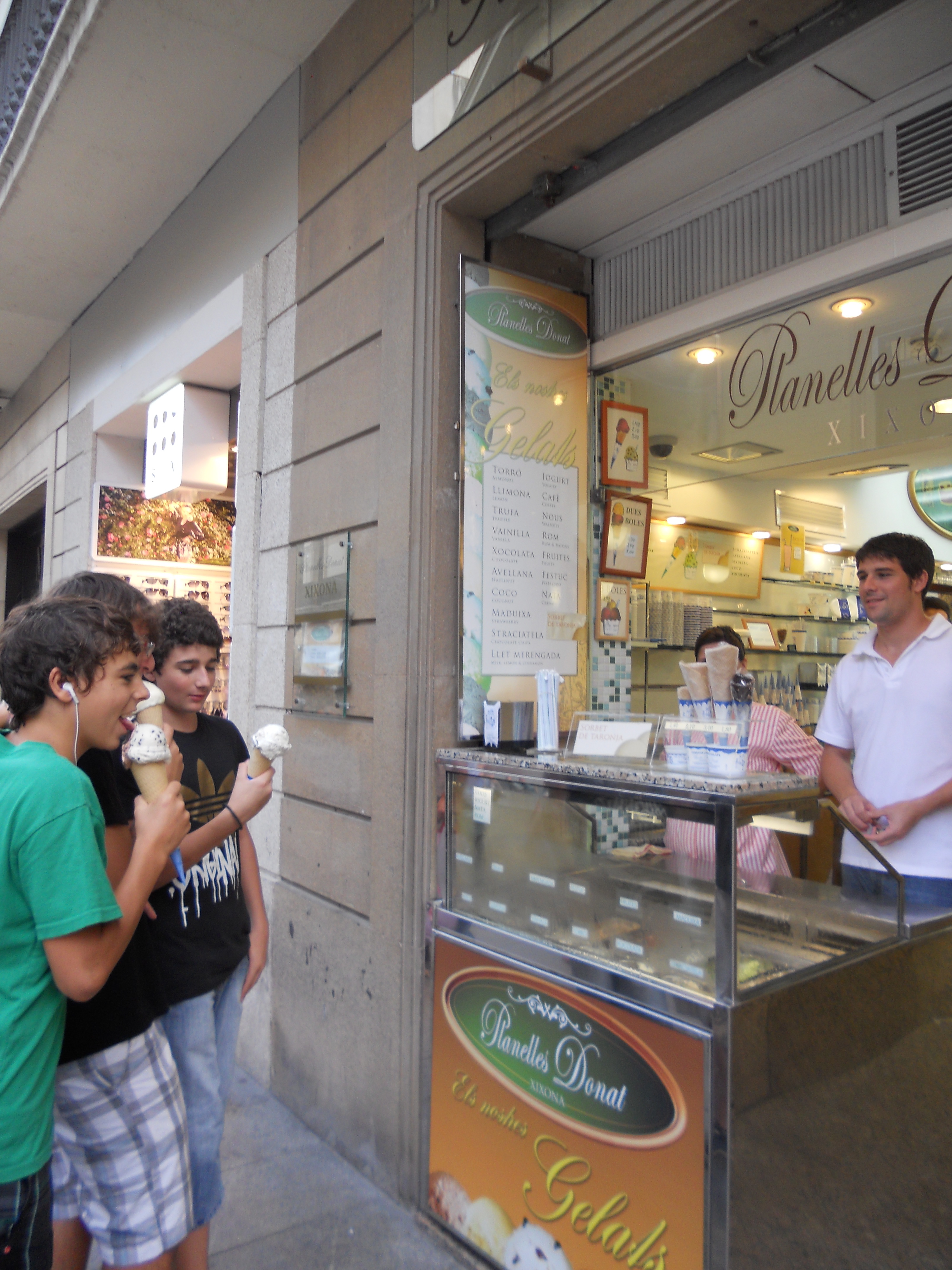
Very close to La Rambla, we can find another jewel in the pastry shop world named: “Planelles Donat”


The family Planelles Donat has known to transmit during generations (open since 1850) the spirit of quality and tradition in the elaboration of its “torrons” (nougats) and small sweets based on marzipan with diverse forms and flavours called “panellets”

In addition to the assortment of delicious “torrons” and “panellets” made with pine nuts and those flavored with coffee, lemon or quince among many others, at “Planelles Donat” we can find ice creams and tiger nut milk, “Orxata”. This is a whitish milk liquid that is obtained from a tiny and very tasty tuber: the tiger nut!

Being advised by my friend Jacky, I asked specifically for the “Xixona torron”. This delicious nougat is made following the traditional production based in almonds, sugar, honey… it has an oily and granulated texture that is achieved by carefully toasting the almonds and mixing them with honey. Those of my friends addictive to the Argentinian nougat called :“Mantecol” will love this Xixona nougat.

I have to confess that after buying these sweet treats and taking them home, I literally devoured this “torron”. It was so good that I could not stop eating it.. ok, I did share some with my friend but the rest of it was ALL mine. Extra time at the gym followed….

Barcelona: a city where art, history and gastronomy shines!

Just one day before my birthday and after almost eighteen hours of traveling (considering my two stops and five hours waiting in London airport) I had arrived to Barcelona in Catalunya, Spain, where our new culinary journey begins.
When I was considering how to start this new post, one of the pictures of my own gallery from:“Mercat de La Boquería” (La Boquería food market) in “paseo de Las Ramblas” (Las Ramblas street), called out its name. What a better way to start posting about Barcelona than the epic of its culinary world!. I love visiting markets as they are a reflecion of the life of cities and towns.

In the heart of the city, the market of “La Boquería” has always aroused the admiration of visitors and artists. I heard once that this market was called “the Cathedral of the Senses” and since then I could not wait to let my senses get the whole experience.

The modern history of this market dates back to 1830s, when traders who sold in the centre of La Rambla were obligated to move to a new square that had been built where there had been the convent of the discalced Carmelites, the church of Sant Josep and the site of the convent of Jerusalem. Now, if you look closely at the picture of the sign of the Mercat, you will understand the meaning of the words: Sant Josep

Installed in simple stands in the open air and using the pile up fruit and vegetable boxes to place their scales, we are reminded that behind each piece of fruit or vegetable there is a human gesture, and effort linked to nature, the land and the whims of the weather.

It is true that Barcelona is renowned for Modernisme or Catalan Art Noviveau, a widly original style of architecture that flourished in the late 19th and earl 20th centuries. Best known are the stunning works of Antoni Gaudí and so many talented Modernista architects that had painted their mark in this city. But, Barcelona is also known for its gastronomy repertory.
With its rise as a foodie capital in the past decade, this city of Catalunya, now rivals San Sebastián as one of the top eating cities in Europe. And that, my friends, is enough reason to justify my stay in this city.

In addition to haute cuisine restaurants, pastry shops and chef-driven tapas bars by world-known Chefs and restauranters like: Ferrán and Albert Adriá, Joan Roca, Antonio Escribá, Oriol Balaguer, etc, there are scores of both old-school and innovative colmados (grocery stores), chocolatiers and wine shops.

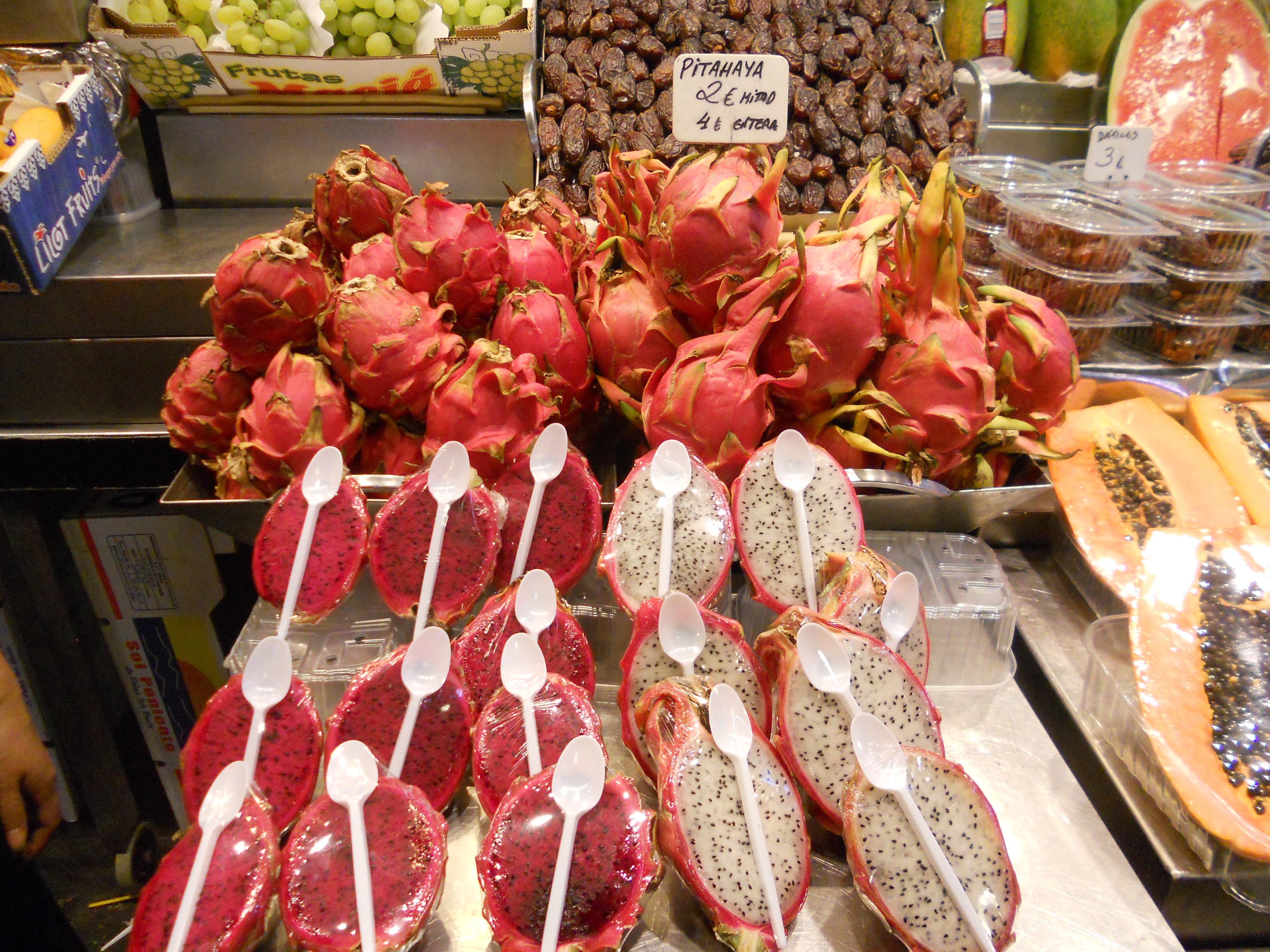
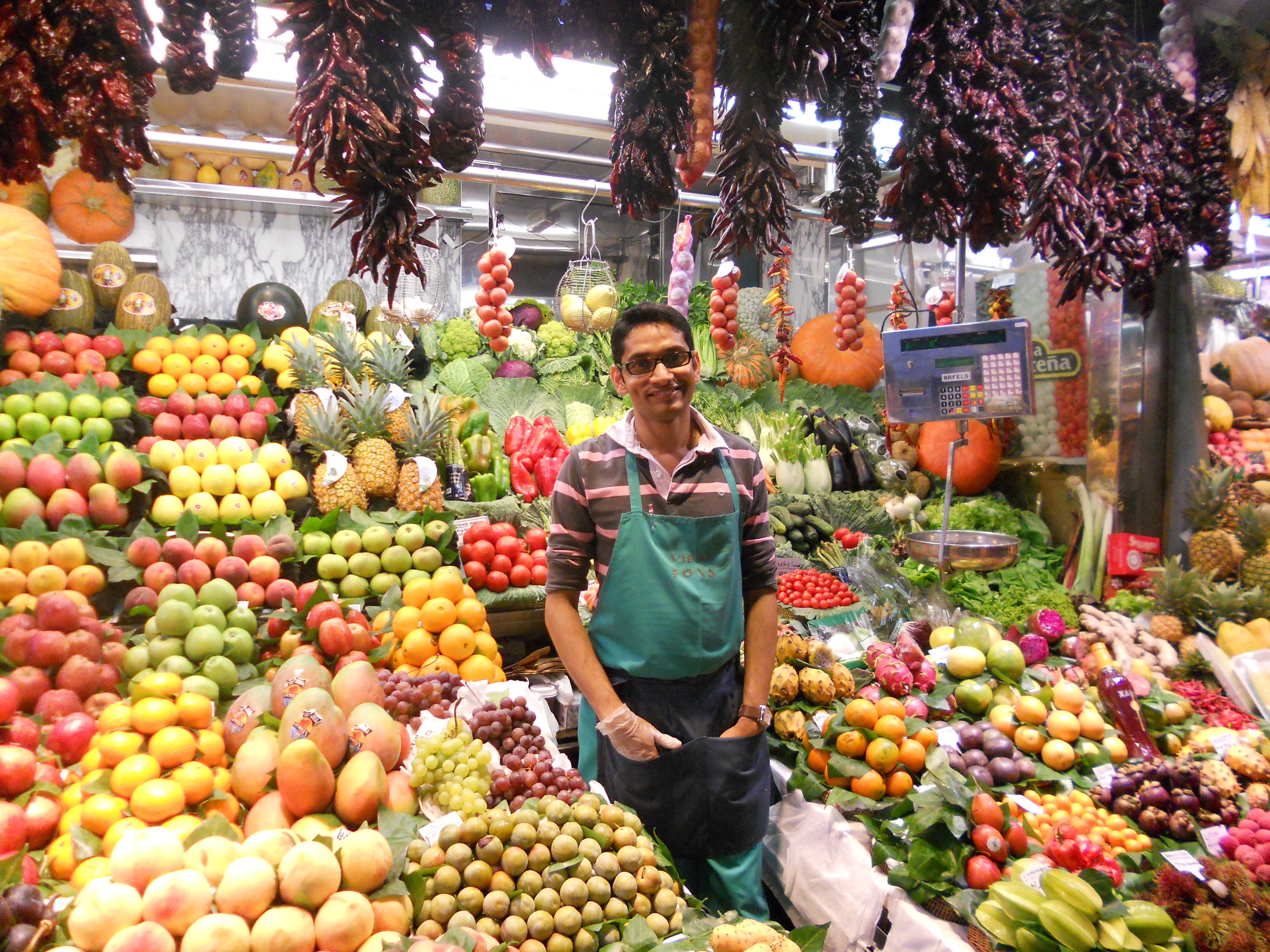
This is not your typical fruit stand. At “Mercat de la Boquería”, my friend José, is so happy to show his colorful repertory of exotic fruits

lychee, rambutan, passion fruit, star fruit… if you can name it, you will find it at this market!

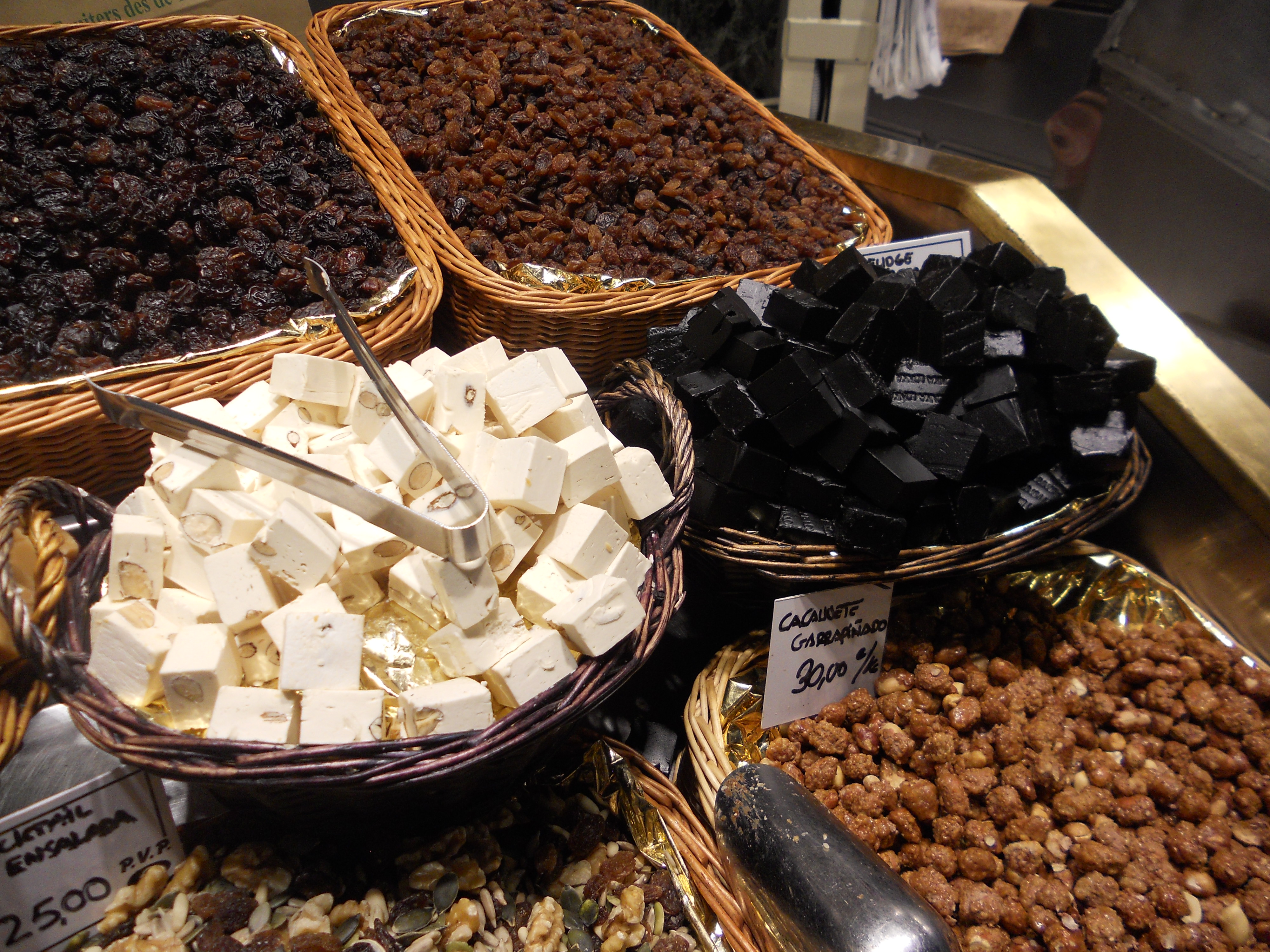
At this food stand or “puesto”, I went nuts!… look at these assortment of macadamia, walnuts, almonds…

“Torrons” (nougat), dry fruit, chocolate and more nuts!…

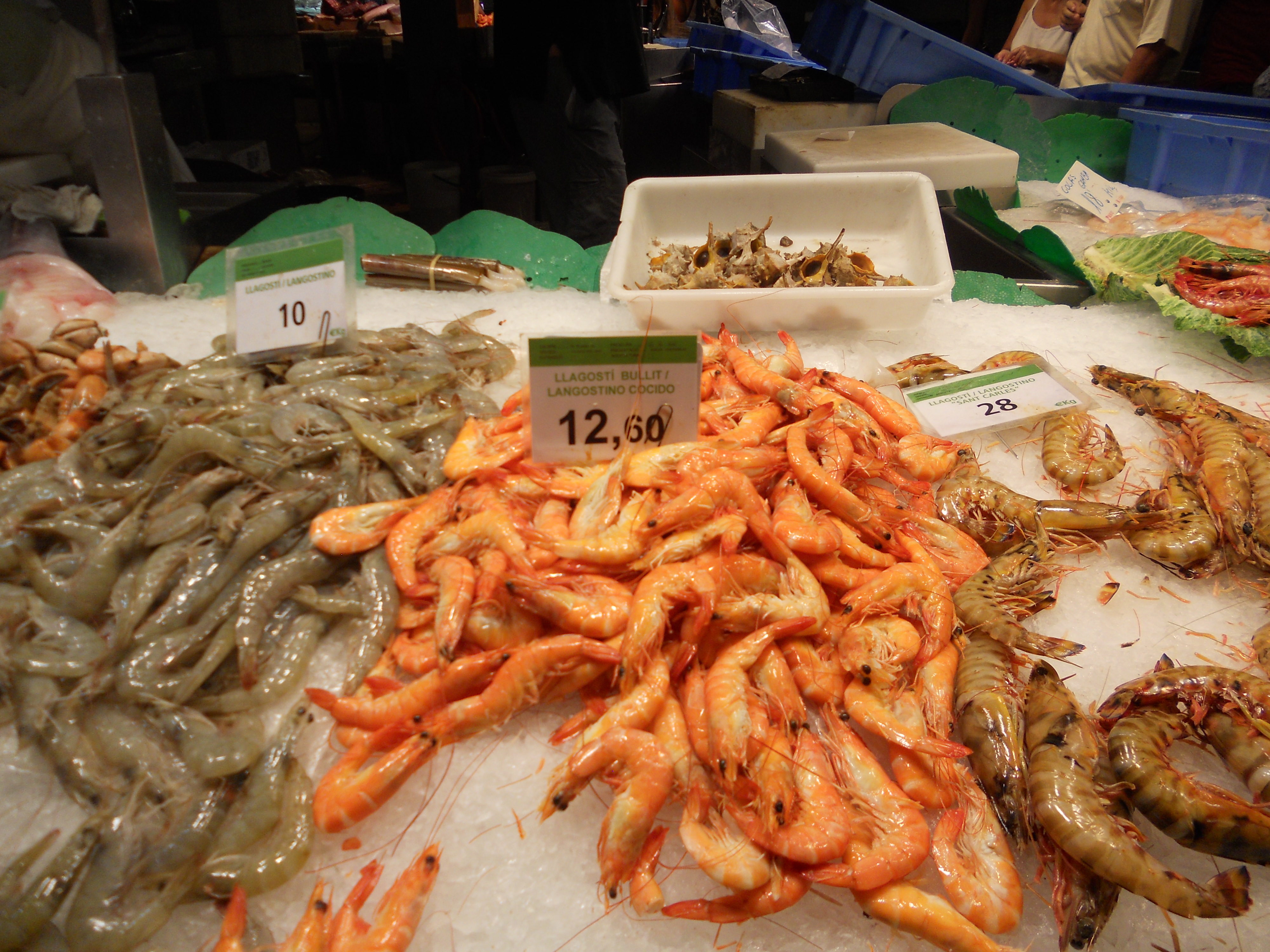
“Mercat de la Boquería” (Boquería Market), is Europe’s largest food market and a gastronomy paradise. This Catalan classic is the foundation of Barcelona’s fascination with food and a must see for all foodies and chefs. Nowadays, it has more than 300 stalls and several small bar/restaurants stocked with eye-popping displays of salted fish, exotic fruits, wild mushrooms (ceps and bolets), artisanal chocolates, candies, spices, nuts and much more. It is a place to see and smell an amazingly lively gastronomic scene: a colorful bounty that is a testament to the fertile region and Catalan’s desire for the freshest and tastiest foodstuffs available.

All that seeing and smelling of great food at  “La Boquería” had worked my appettite. It is time for a snack or “tapa”!

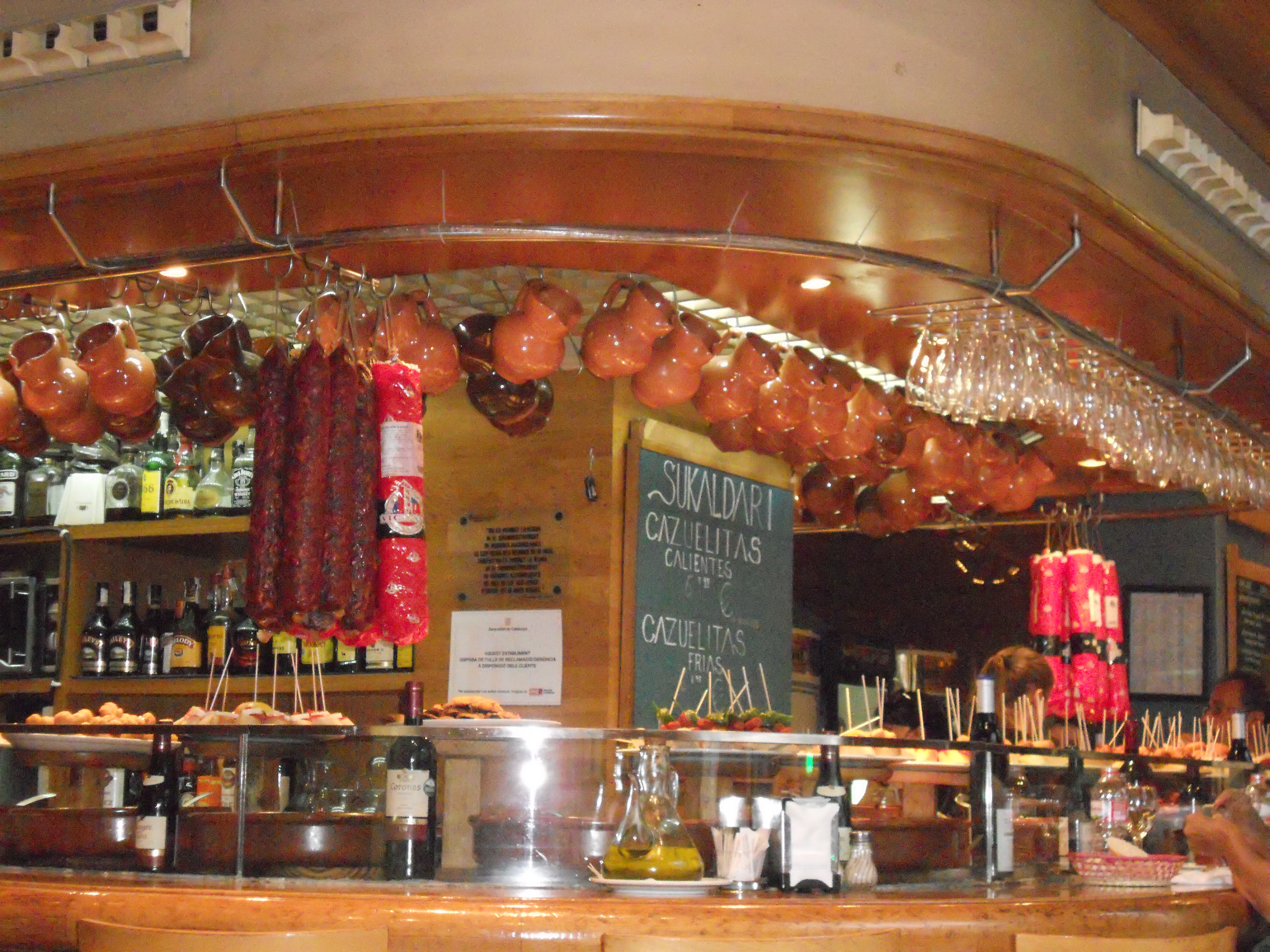
“Tapas” or “Pintxos” as it is called in The Basque country  is a way for Spaniards to avoid drinking with an empty stomach. That being said, the most common beverage consumed with tapas is probably “cerveza” or beer. You usually order it by the glass or “caña”.

These little plates like: pimientos (baked stuffed piquillo peppers), tortilla española (thick potato omelet), albóndigas (pork mini meatballs that are so tasty enough to almost convert a vegetarian like me), jamón serrano (air-dried mountain ham always accompanied by bread and sliced so thin that you can almost see through), patatas  bravas (fried potatoes smothered in piquant, bright-orange paprika-garlic sauce called aioli that have become a national standard), etc, make up the unofficial fourth meal of the day and are best enjoyed in tapas bars before 10 pm dinner hour. Yes, my beloved Americans friends, I said it: 10 pm dinner time!… My stomach clock (if there is any) is still trying to get used to this eating time habits!


A waited trip to Buenos Aires…

At JFK airport again, and this time with Buenos Aires, Argentina as my destination. Last time I was there was more than five years ago and I am so excited to come back to see this wonderful city which had been chosen for many Italians and Spaniards as their second home. With that in mind, you can imagine how rich is its culture and gastronomy. From their famous “asados con chimichurri” (barbecue) to their artisan fresh pastas, pizzas, sweet pastries and their flavorful “Spaniard paellas”, Buenos Aires has it all!
Come on, let’s go!

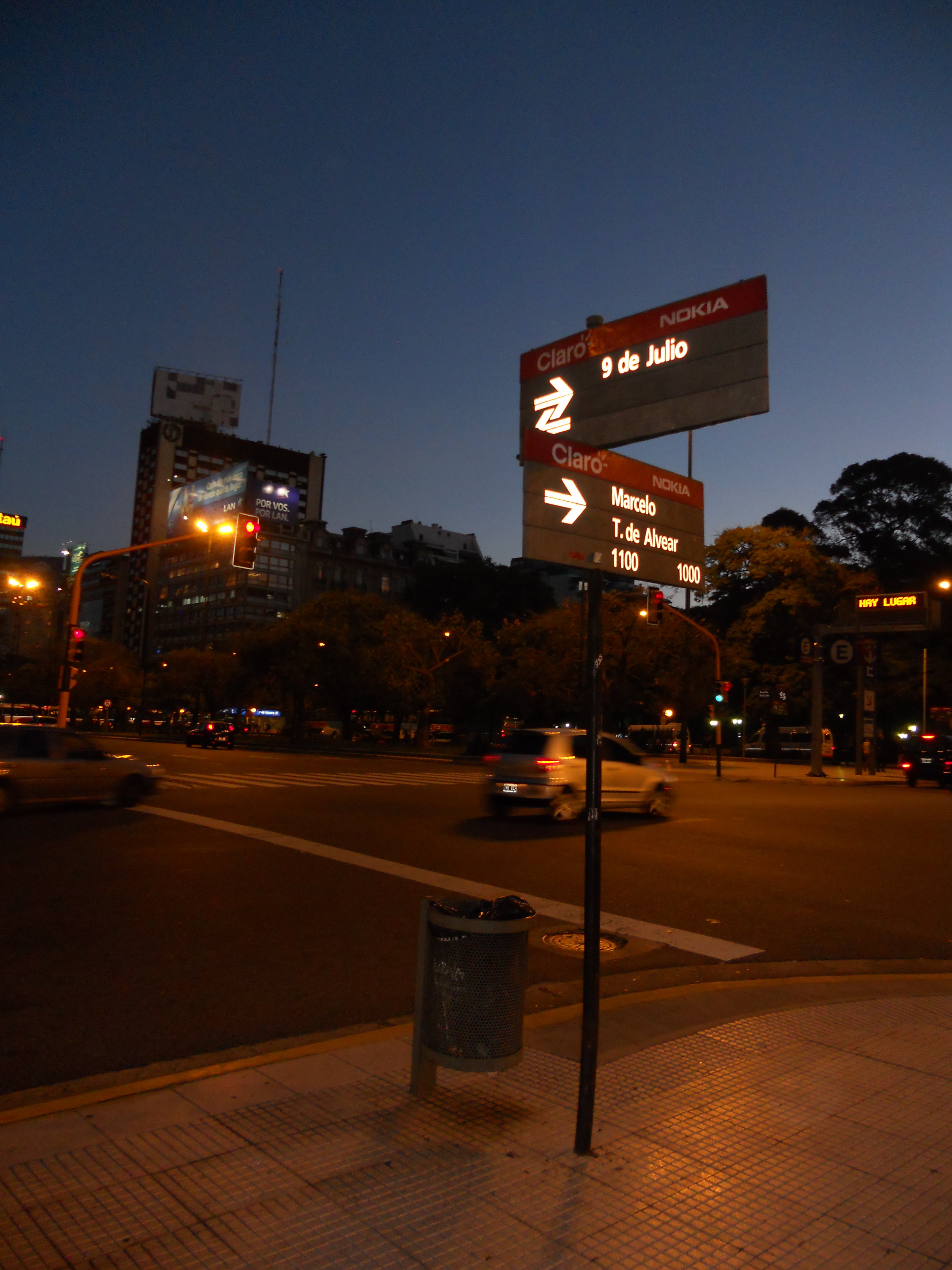
Arriving to Buenos Aires, I see this fantastic view from “El Obelisco” at the widest avenue from the world called “Avenida 9 de Julio” (9th of July Avenue)

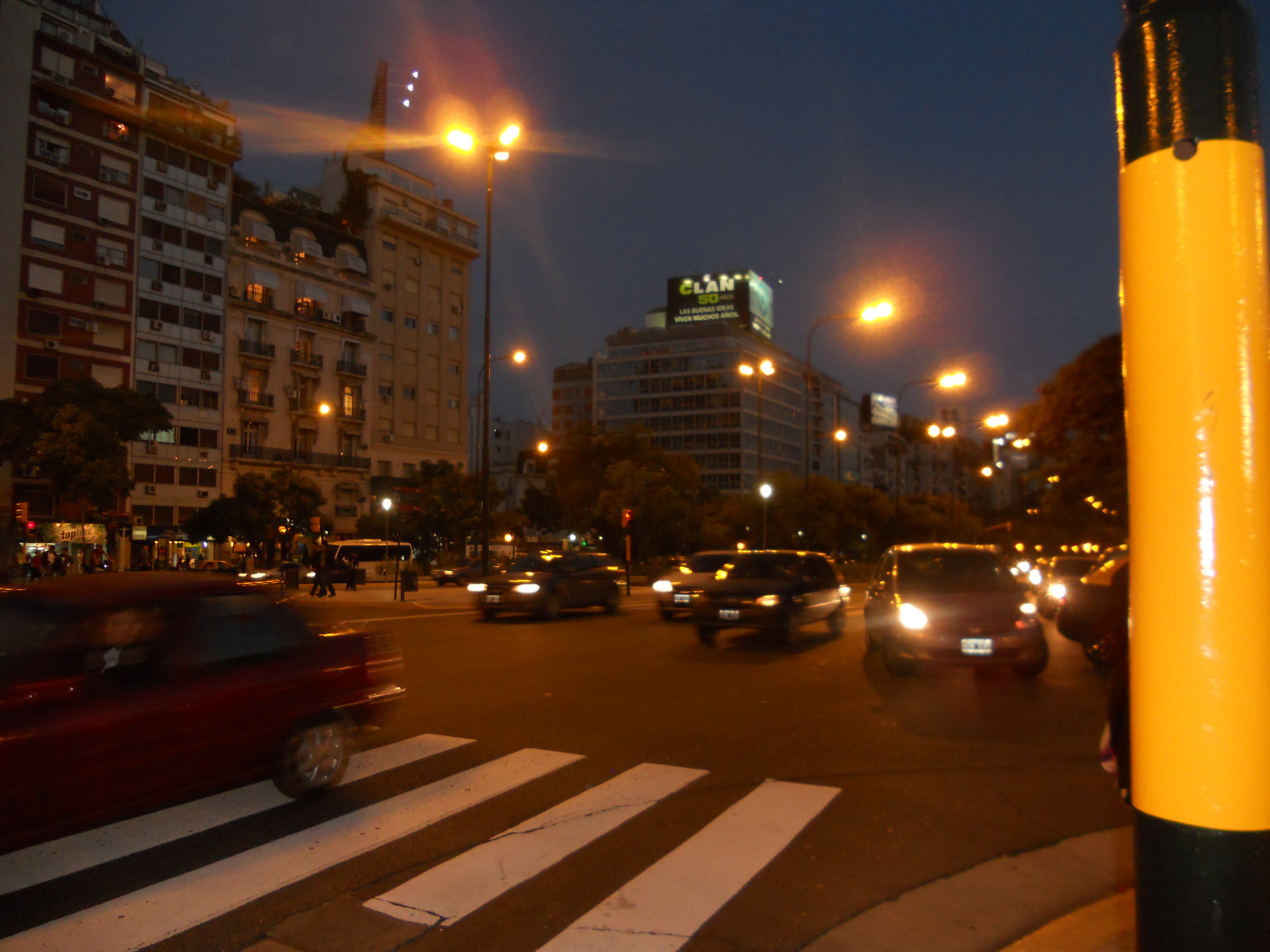
At night the magic of this City shines in the busy streets. Porteños (popular name given to the Buenos Aires residents) always find time to enjoy good food with friends and family at local cafés and restaurants

One dish that it is a must to try while in Argentina is “milanesa a la napolitana” (breaded veal with cheese and tomato sauce). Argentinian meat is known for its high quality and it is used in many traditional dishes like this one

If you just want a snack with your coffee or “cortadito” these ham and cheese melted in toasted white bread called “tostados” are the best option

At the time the cravings are calling for something sweet, no problema! These “alfajores de dulce de leche” (soft cookies filled with caramel and cover with white and dark chocolate) are the solution. Better paired with a “submarino” (hot chocolate)

Best at day time “Caminito” in the neighbourhood called “La Boca” is the place to visit. This is a traditional museum street full of art, life and history. In 1926, it was the inspiration for Juan De Dios Filiberto, who composed the famous tango named after this place. It is a must visit for tourists and locals

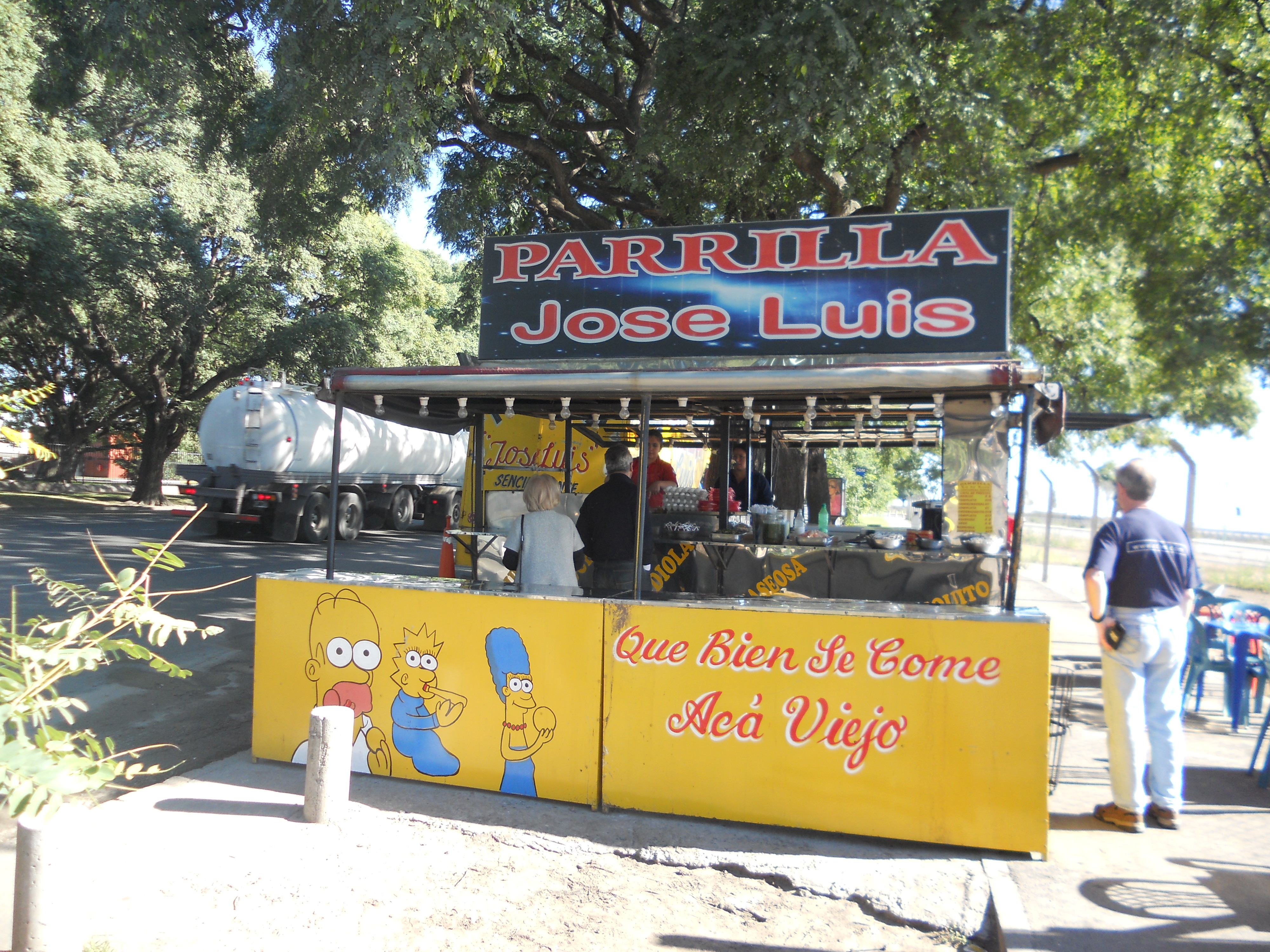
At “La Costanera” is very tipical to find lot of food trucks or stands, “puestos de comida”, that sells from barbecue with traditional sauce called “chimichurri”, “empanadas” (meat pastry turnovers), “choripán” (sausage sandwich) and more. I loved this particular food truck because of the sign painted in front of the truck: “To God I bless to my death, Argentinian to the end”…

Another food stand by “La Costanera” in the city of Buenos Aires…

Some views from “La Costanera” by “Río de la Plata” riverside. Ideal waterfront side to go for a walk, run or bike

Following the advice of my hotel concierge I decided to visit “Estancia La Cinacina” (country house La Cinacina) in the suburbs of San Antonio de Areco to enjoy “la Fiesta Gaucha” (The gaucho party), a whole day spent away of the city life and immersed in the “gaucho culture”, with traditional dances, popular music or “folklore” (folk music) and of course, great food. First stop was at “la pulperia” (the tavern) where we got some drinks and snacks (pan con salame) before the barbecue called “Argentinian asado”

Inside “la pulpería” of “estancia La Cinacina” where they served us some refreshments

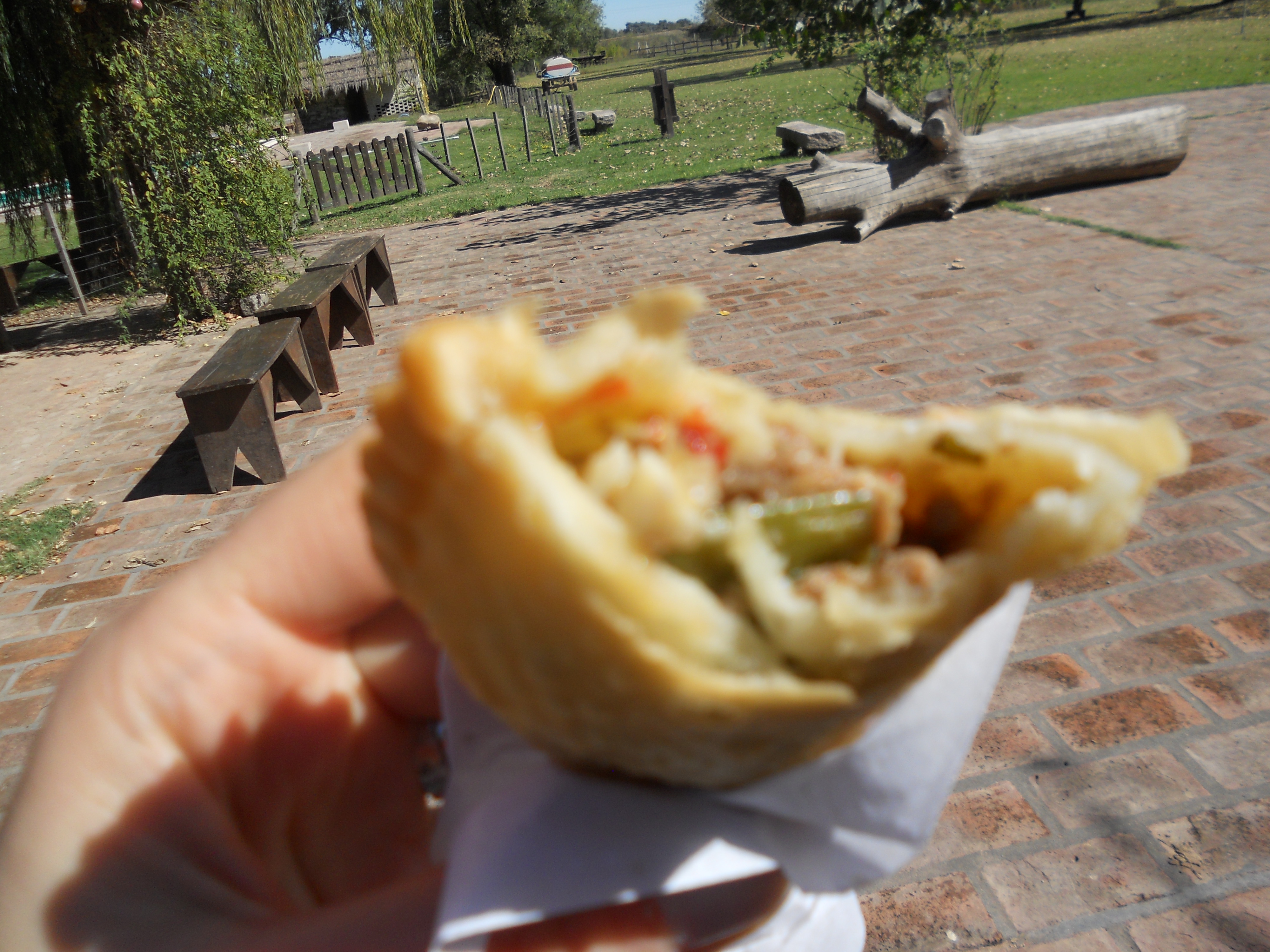
The moment I was waiting for! that bite to this “empanada” (meat turnover) was memorable

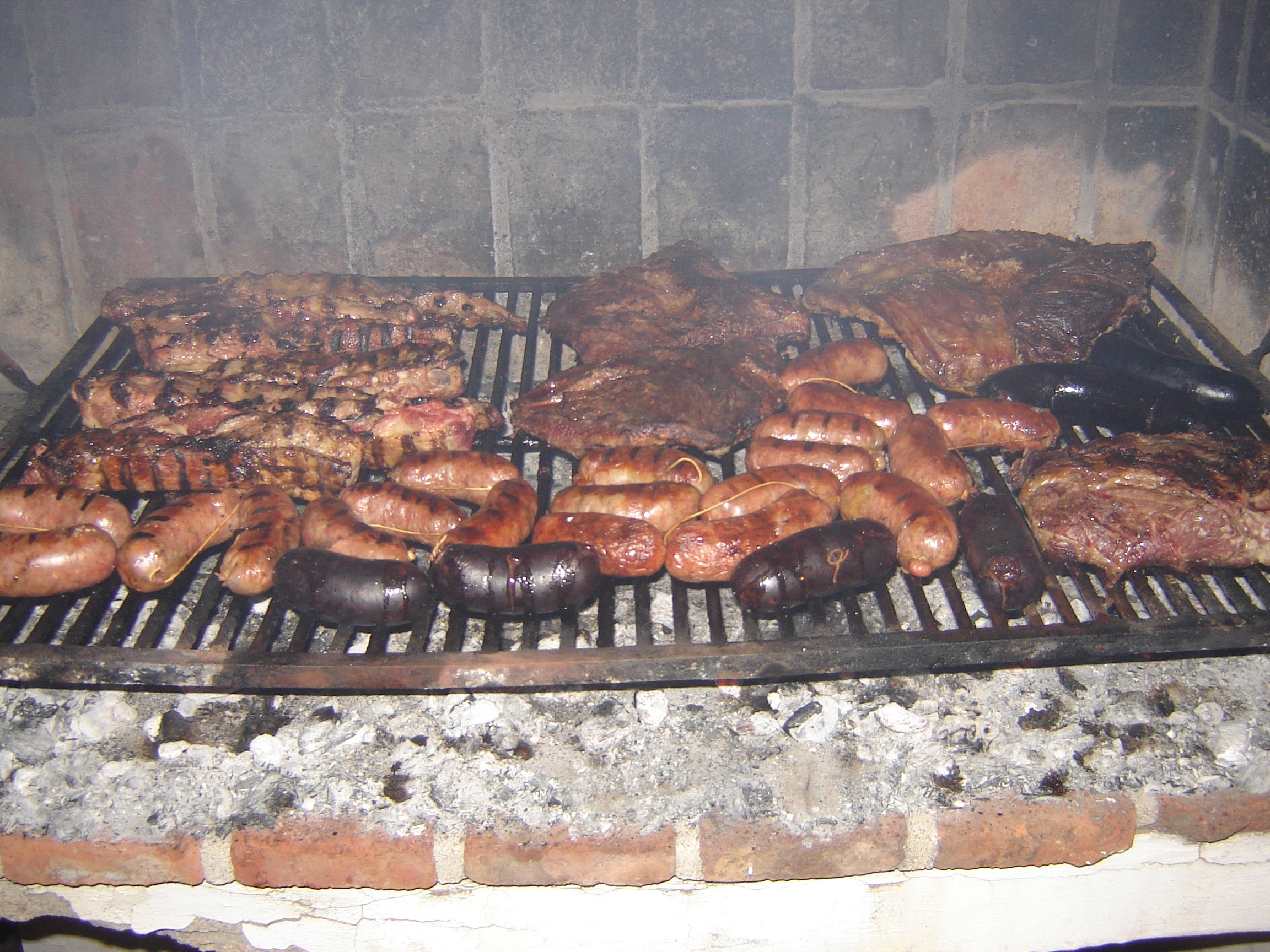
Almost lunch time… the “parrillada”  (Argentinian barbecue) is waiting for us!

steaks, blood sausages (“morcillas”), pork sausages (“chorizo”) and much more…

More meat being cooked in the Argentinian traditional way (parrillas”)

The table had been set up. It’s lunch time!

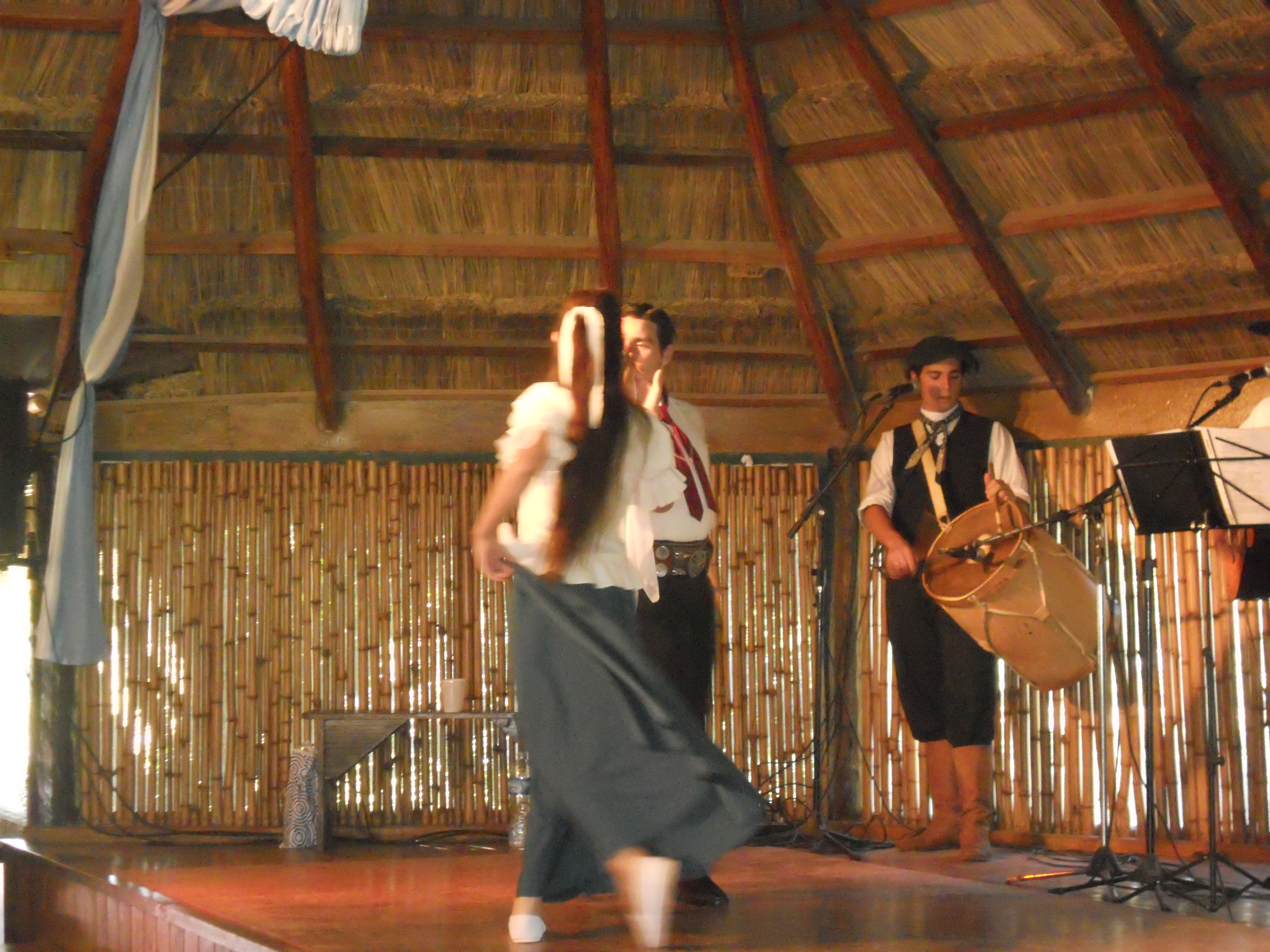
Watching the show of traditional dances while we had lunch at “La Cinacina”

El “chino y la china” dancing traditional folk dances or “folklore Argentino”

Time for the horse riding show!

So much connection and understanding between the horse and the “gaucho” that was showed during each part of the show

the gaucho with his“boleadoras”: these are used by the gauchos to bring down wayward calves. They are the gaucho equivalent of a lariat and consist of three hard balls made of stone or wood covered with leather thongs and attached to long ropes

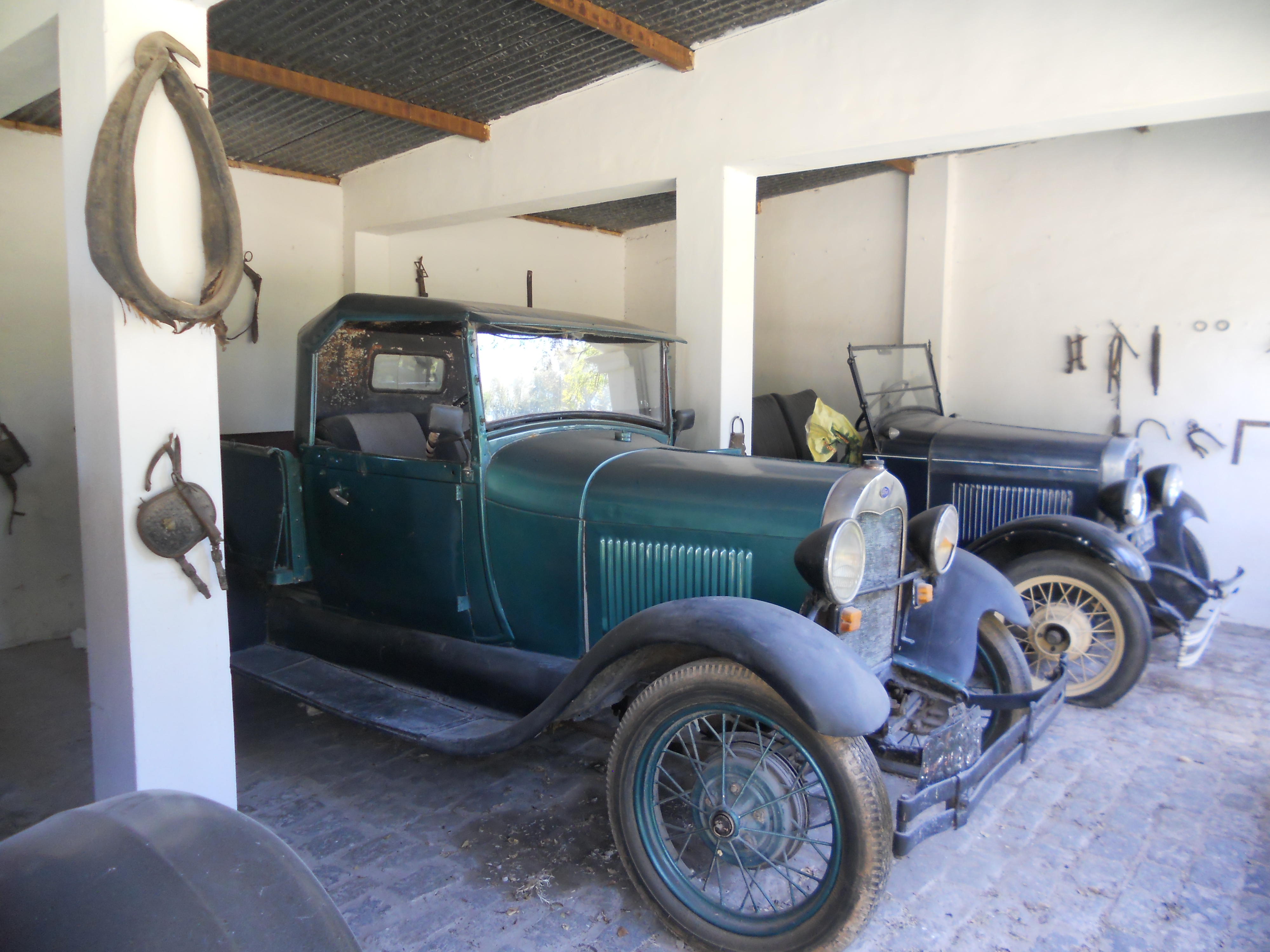
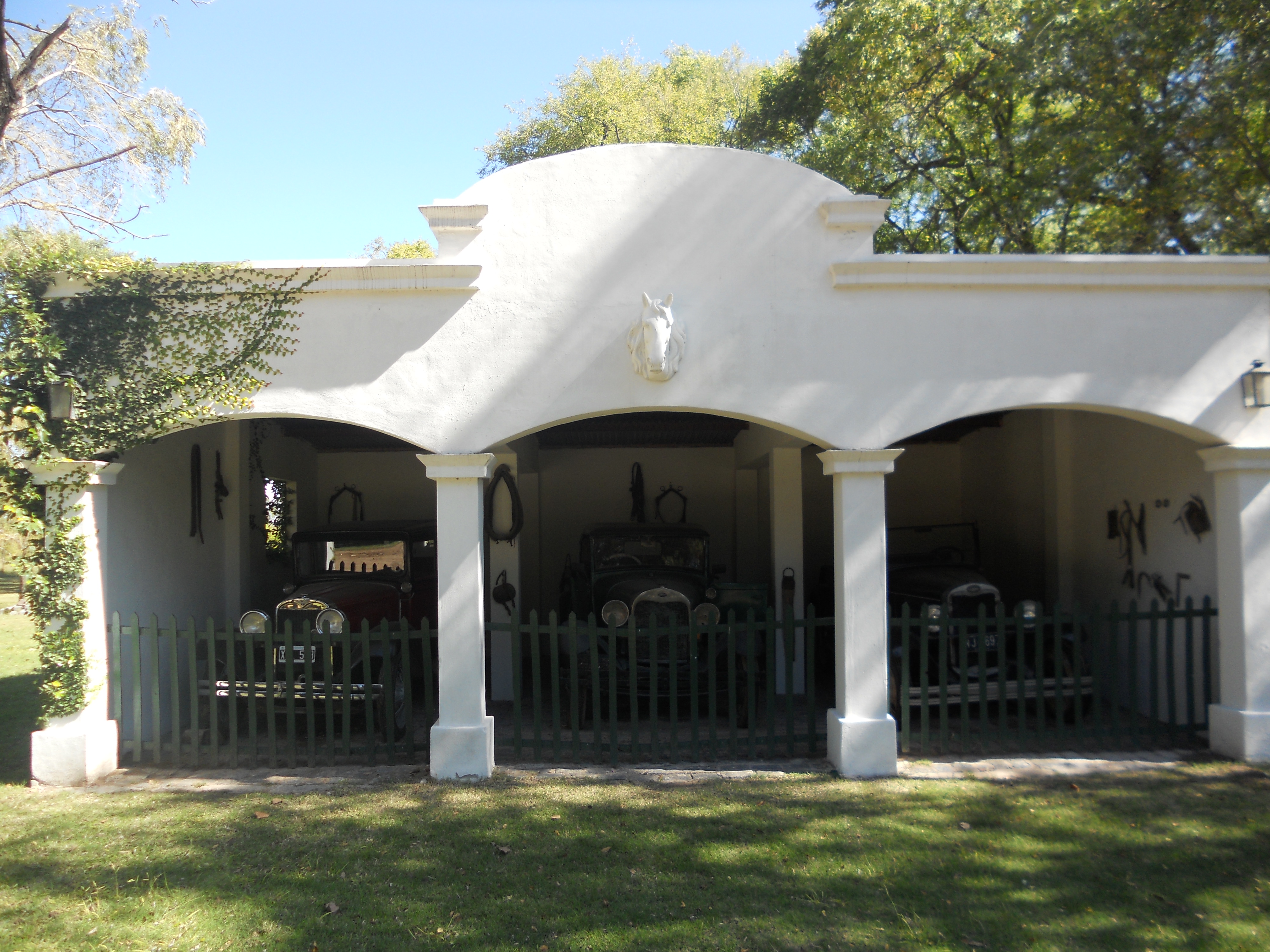
Antique cars at “Estancia La Cinacina”

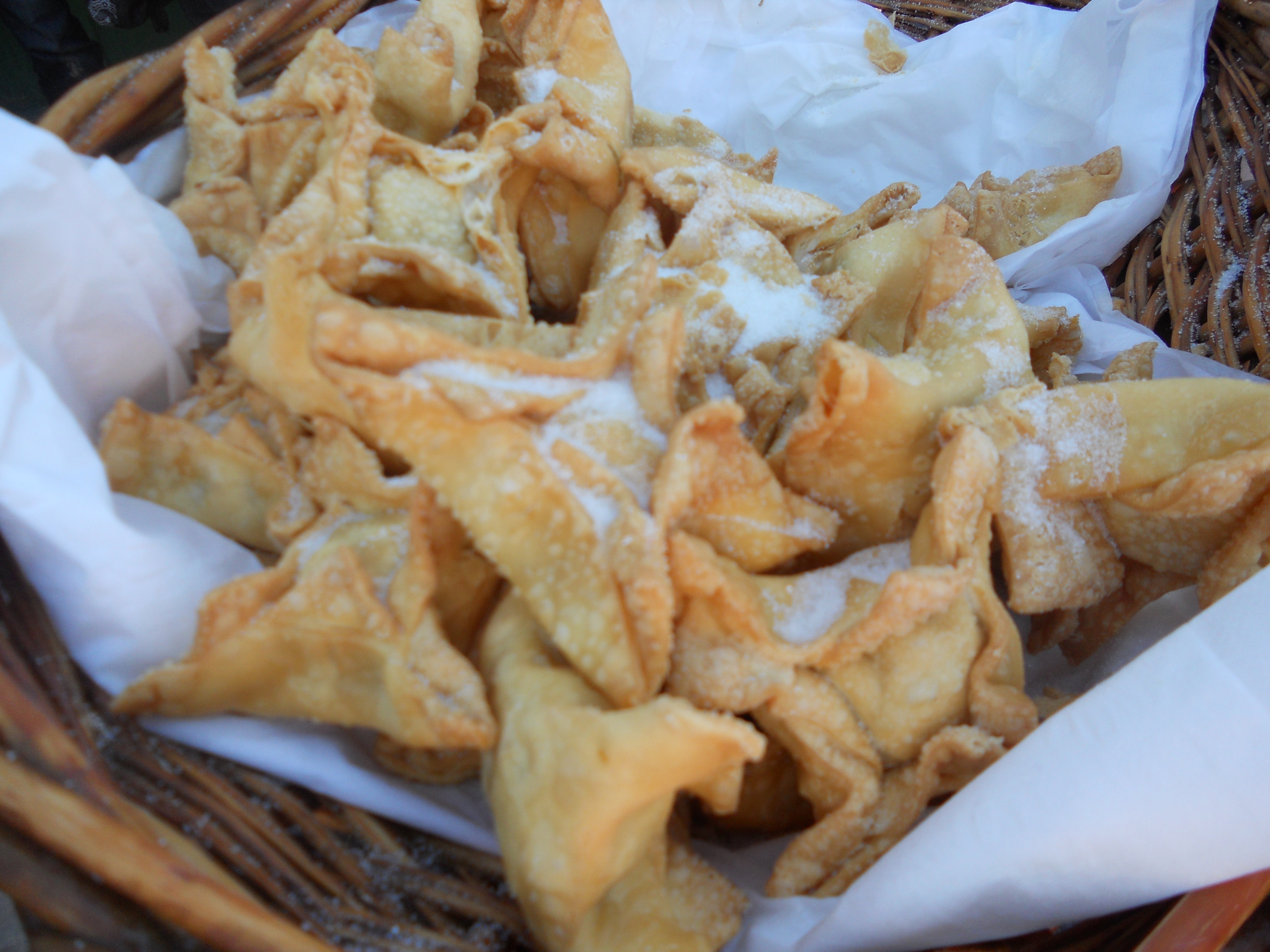
Time for a snack: “pastelitos con dulce de membrillo” (sweet fried pastry dough filled with quince paste) after the horse riding show…

I had a great time in Buenos Aires. Thanks to the wonderful staff at “El Conquistador Hotel” for their hospitality and welcome. Nos vemos pronto!

Costa Rica: a small country, rich in culture and charm

As I peek through the airplane window and see the ocean my heart is pounding. I know that now I am closer to one of my favorites countries to visit: Costa Rica. Yes, a small country always compared in size with the city of Vermont (USA) but so rich in culture, charm and nice people. The first time I visited this “Central American jewel” was almost six years ago; since then, I fall in love with its people, weather (remember that I live in New York State…) and landscapes. You should add this nice country to your wish list. Believe me when I say that you will not regret it!

Costa Rica is in the horizon!

After  my flight from New York City to San José, Costa Rica, it  was wonderful to get to my hotel: “Don Carlos”. This was my first time staying in the city and this hotel was an excellent choice.

I will give you a travel tip here that always work good for me: At the time of choosing your hotel or residence to stay for your vacation or holiday getaway, always consider the ones that are true to the traditions, culture and history of the country they belong. This is the best way to get to know its people and have the chance to be part of  their world

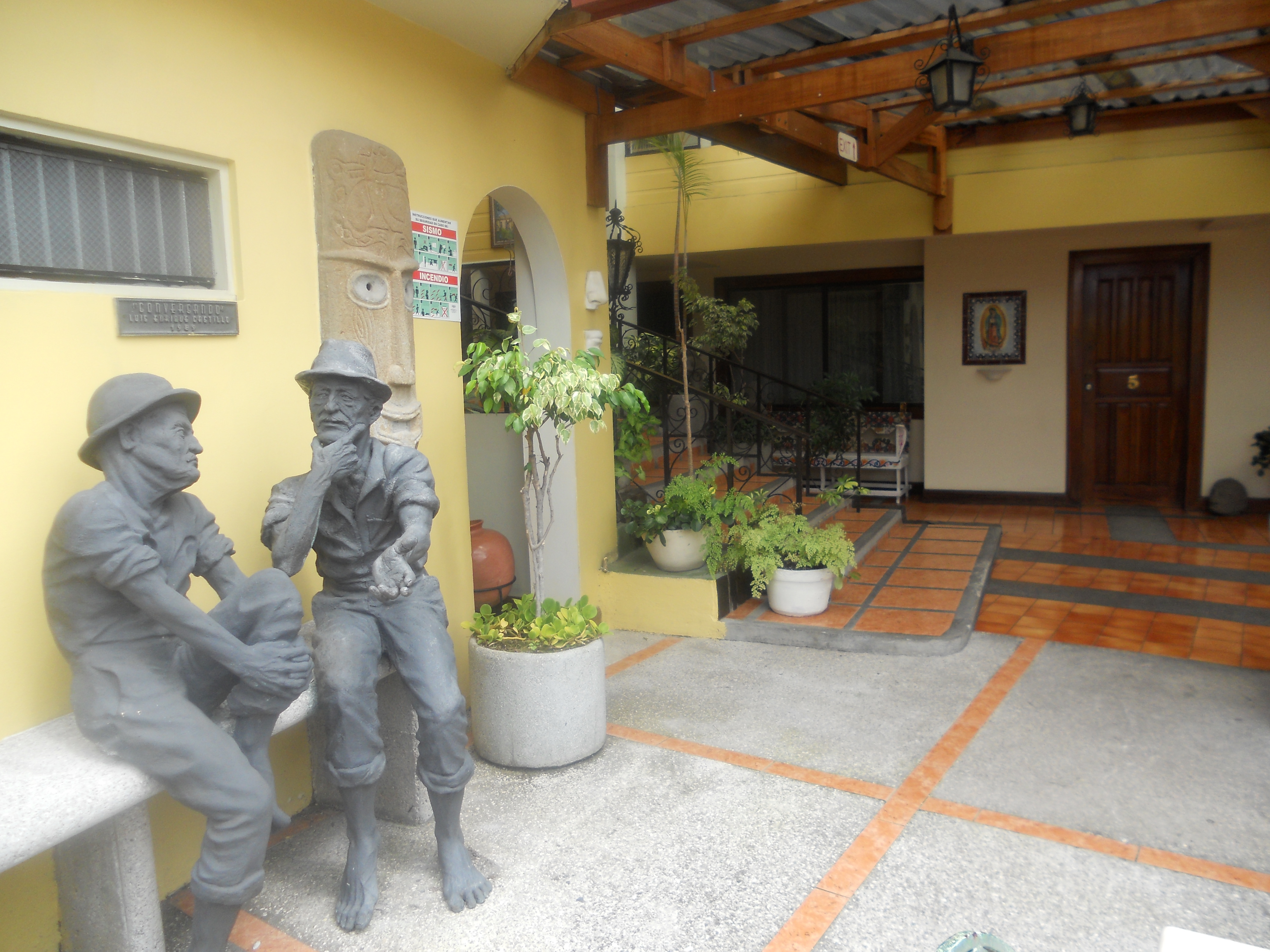
Pay attention to the details of the view of the first floor of “Hotel Don Carlos”. As I used to walk around the hotel my eyes were delighted because of the original art pieces that decorated each room. A whole museum inside the hotel!

This ox cart-wheel that decorated one of the hotel walls was made in 1820

So much charm in each floor of this hotel! Look at the lovely balconies… so romantic as well…

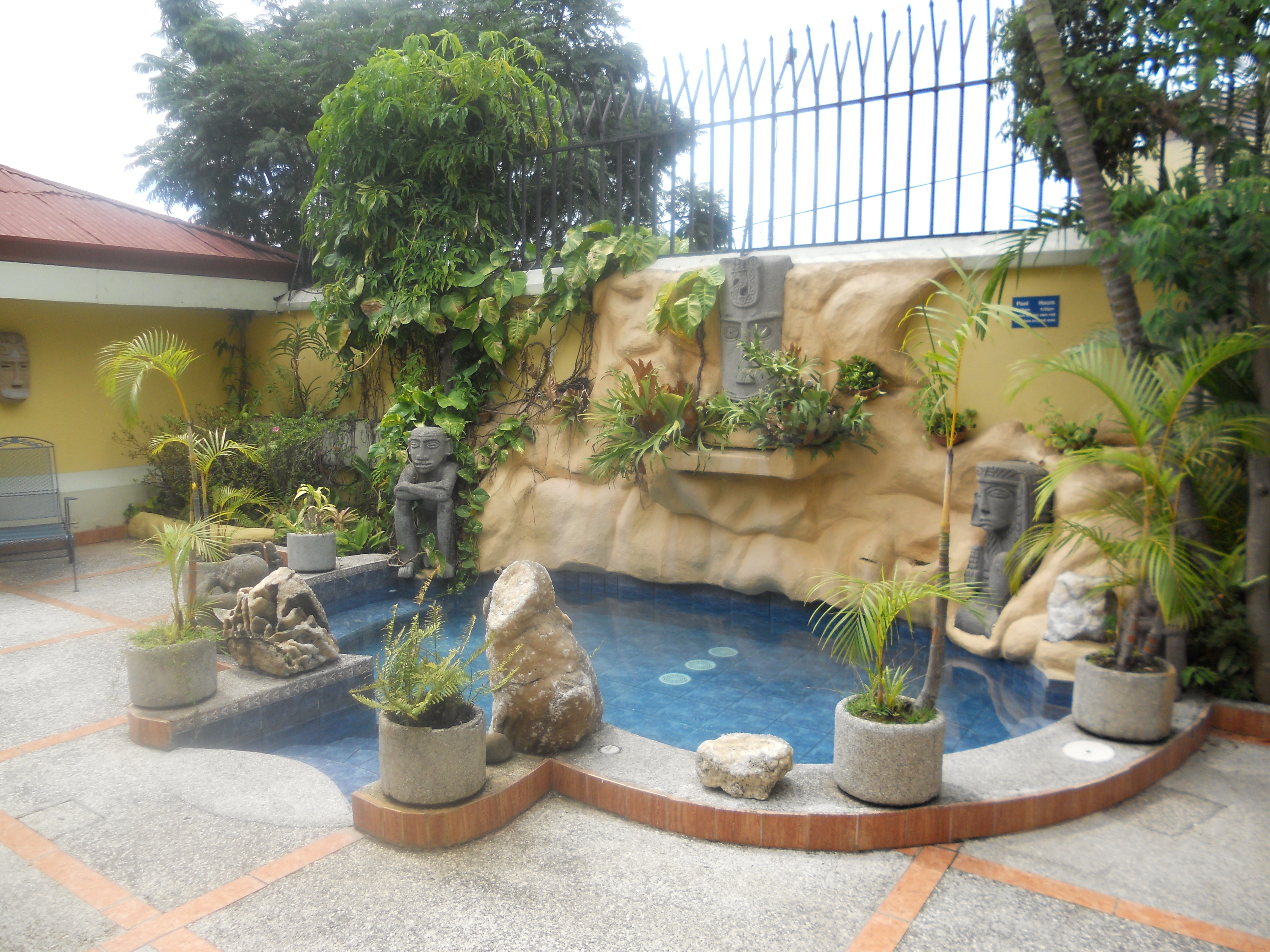
Nice jacuzzi area where I spent most of my early mornings and late nights after touring the country sides… hey, a girl has to have some luxury time too!

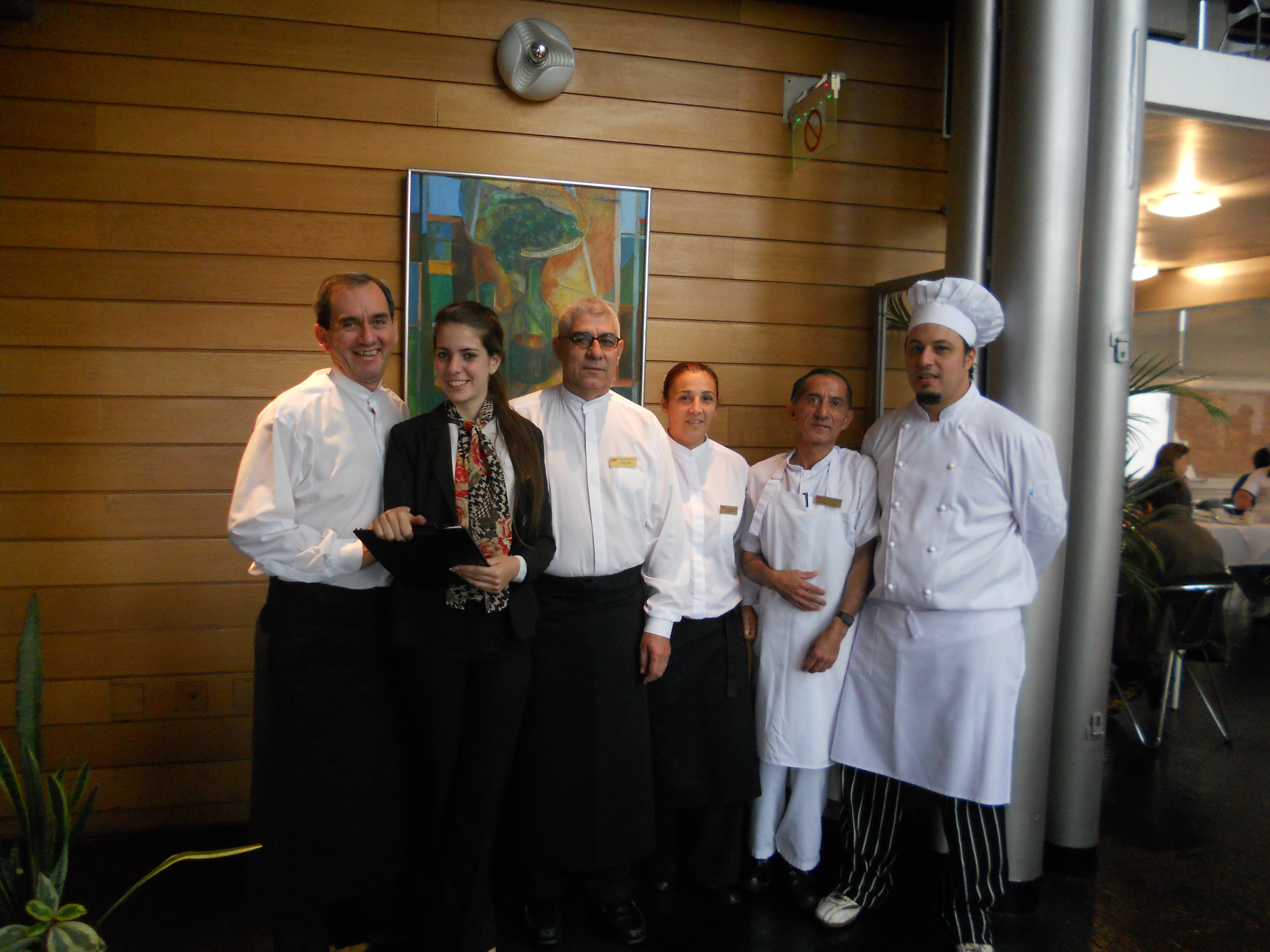
These lovely ladies from the “Hotel Don Carlos souvenir shop”, helped me so much in getting to know the city and they show me how to get to my tour destinations. Always ready to help me while sharing a nice cup of coffee in the mornings!

Special thanks to all the staff from “Hotel Don Carlos” that made me feel like at home during all my stay. And thank you as well for letting me use their kitchen.. In the middle of my time there I was “kitchen sick” so much that I had to ask permission to use their restaurant kitchen and let me cook for a day!

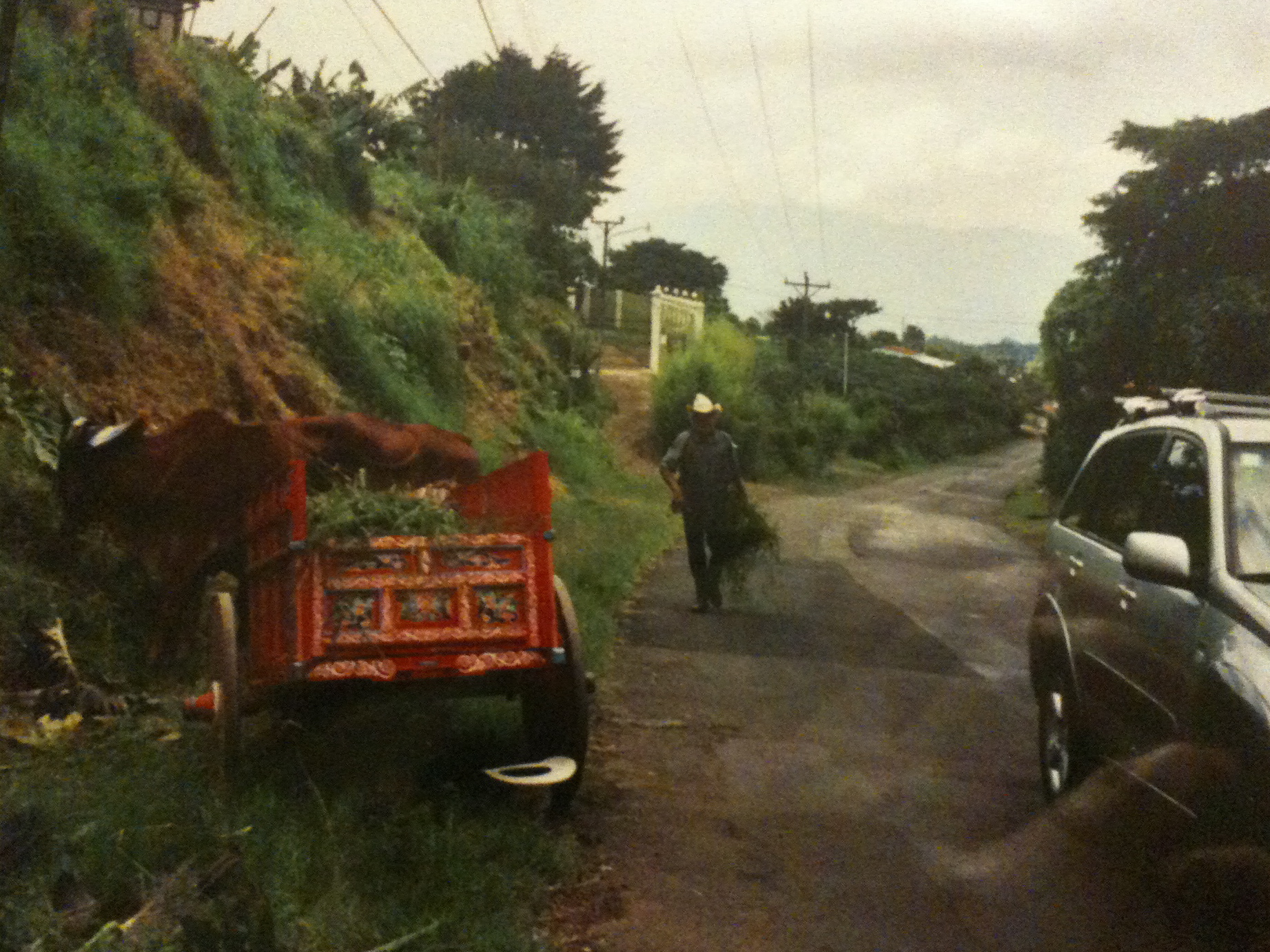
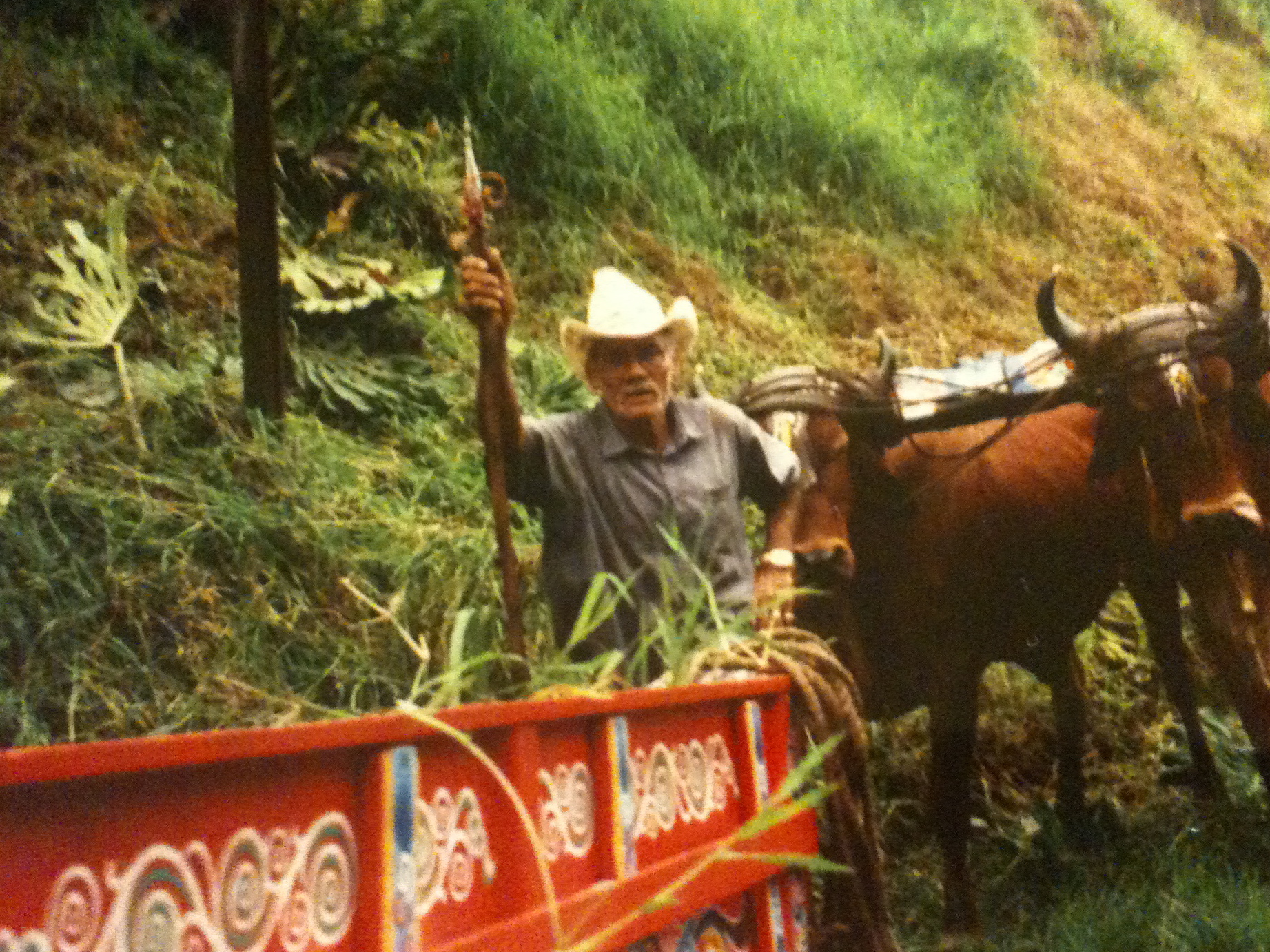
Let me introduce you to “Señor Juan” who stopped us in our way up to the mountains to see the volcano “Irazu” to take him a picture!. Que lindo!

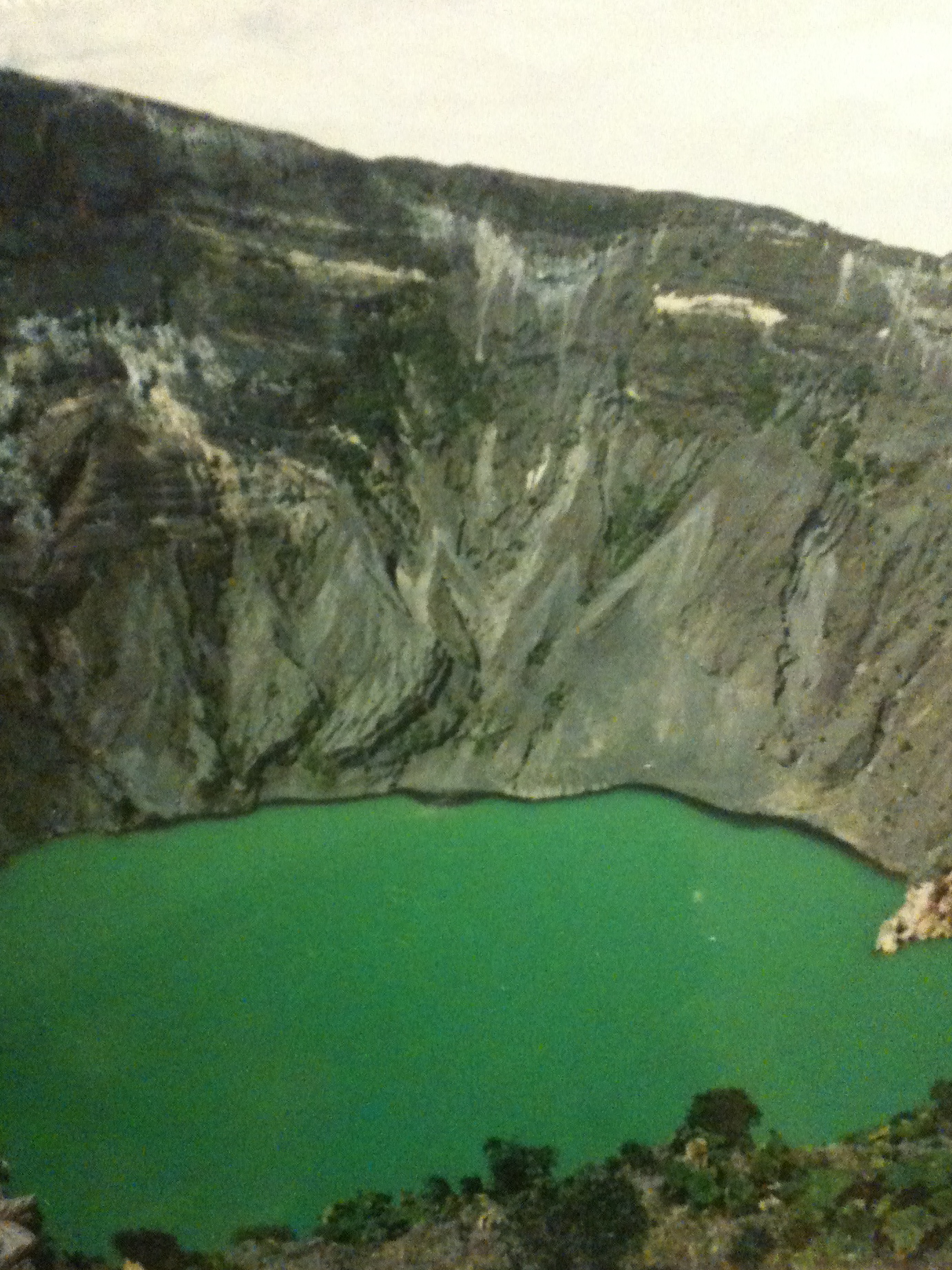
Costa Rica has nine volcanos and this is my favorite one: the stunning “Volcán Irazú” (Irazú volcano). I love the color of the water that is achieved by the combinations of the lava and the mineral and chemicals from the soil. Words are not enough to describe the moment I first saw it. Actually, I was speechless after seeing it, really!

As we drove all the way down the mountains after our visit to the “Volcán Irazú” we were stopped by these lovely kids and their cow. A reminder to not to drive so fast in the country side …

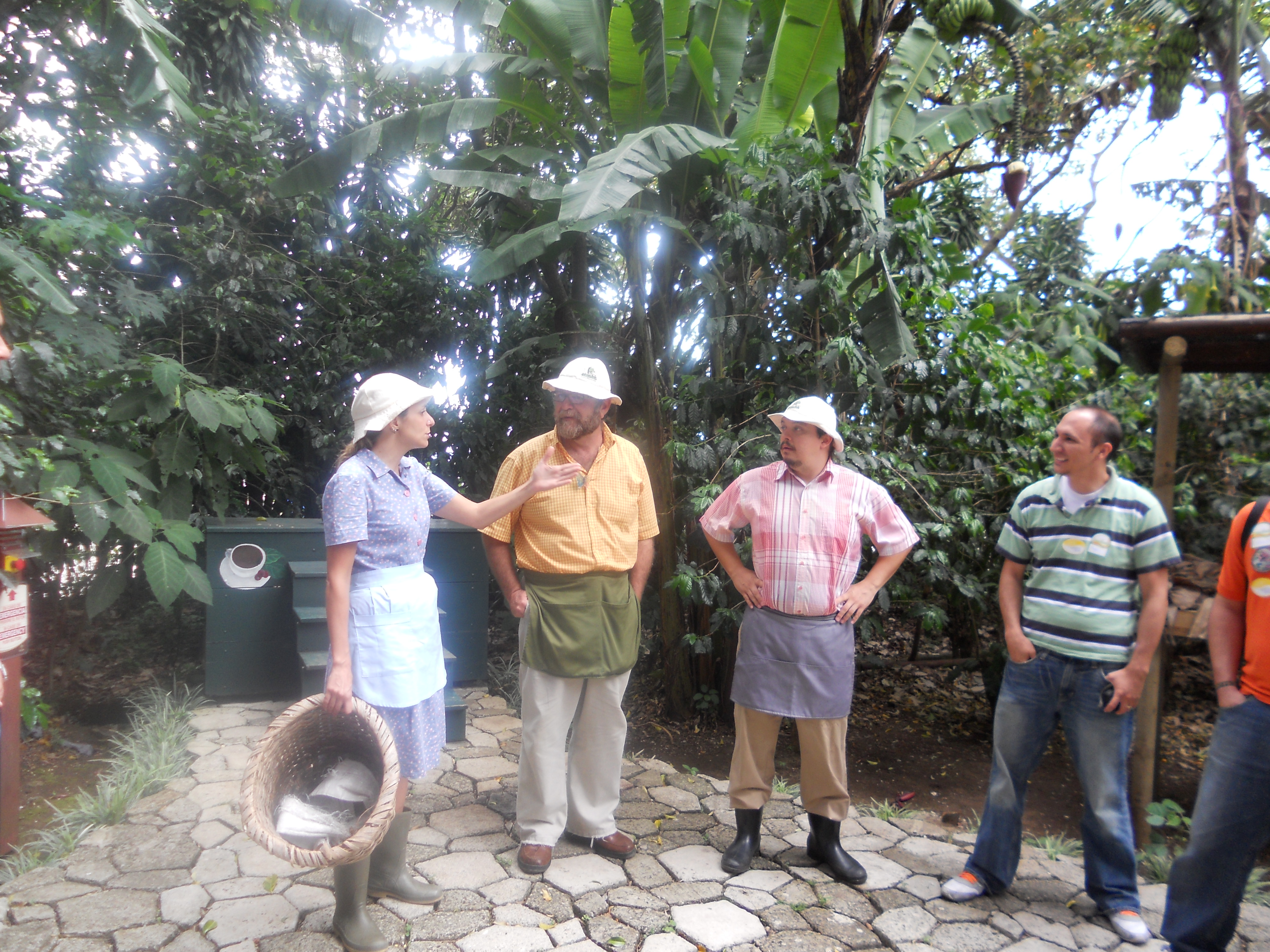
Costa Rica is well-known for its coffee plantations. The quality of its coffee is welcomed around the world and if you look closely to the label of your coffee tin at home, you will not be surprised to find the participation of Costa Rican coffee beans in the mix. So, after visiting the volcano, I decided that it was a good time to join the Coffee Tour at “the Coffee Britt plantations”

Pedro,from “the Coffee Britt tour”, showed and explained us the early stages of the coffee production and how they would be preserved along the way

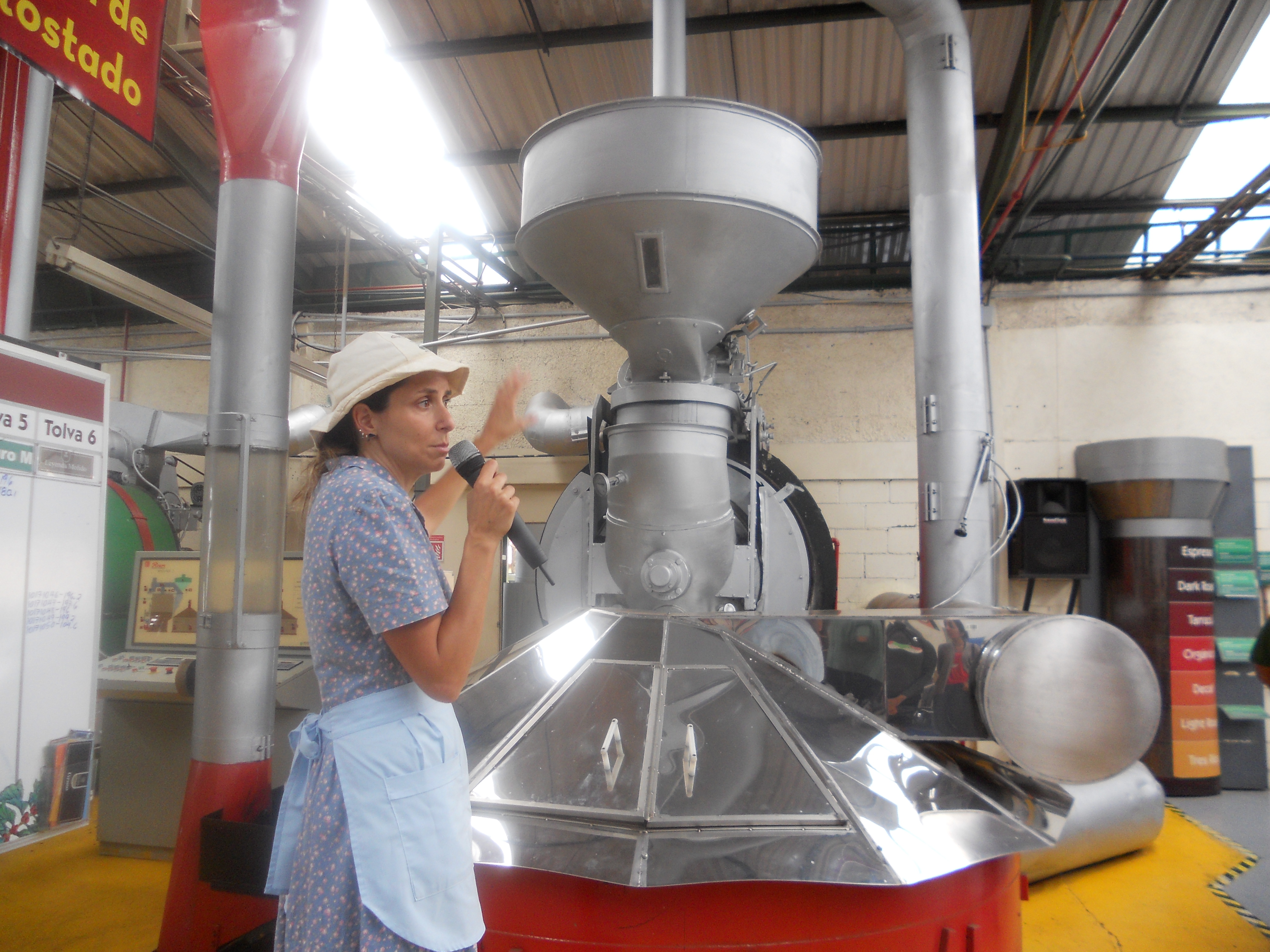
Lucía, another tour guide, explained us how the coffee beans were selected and  roasted

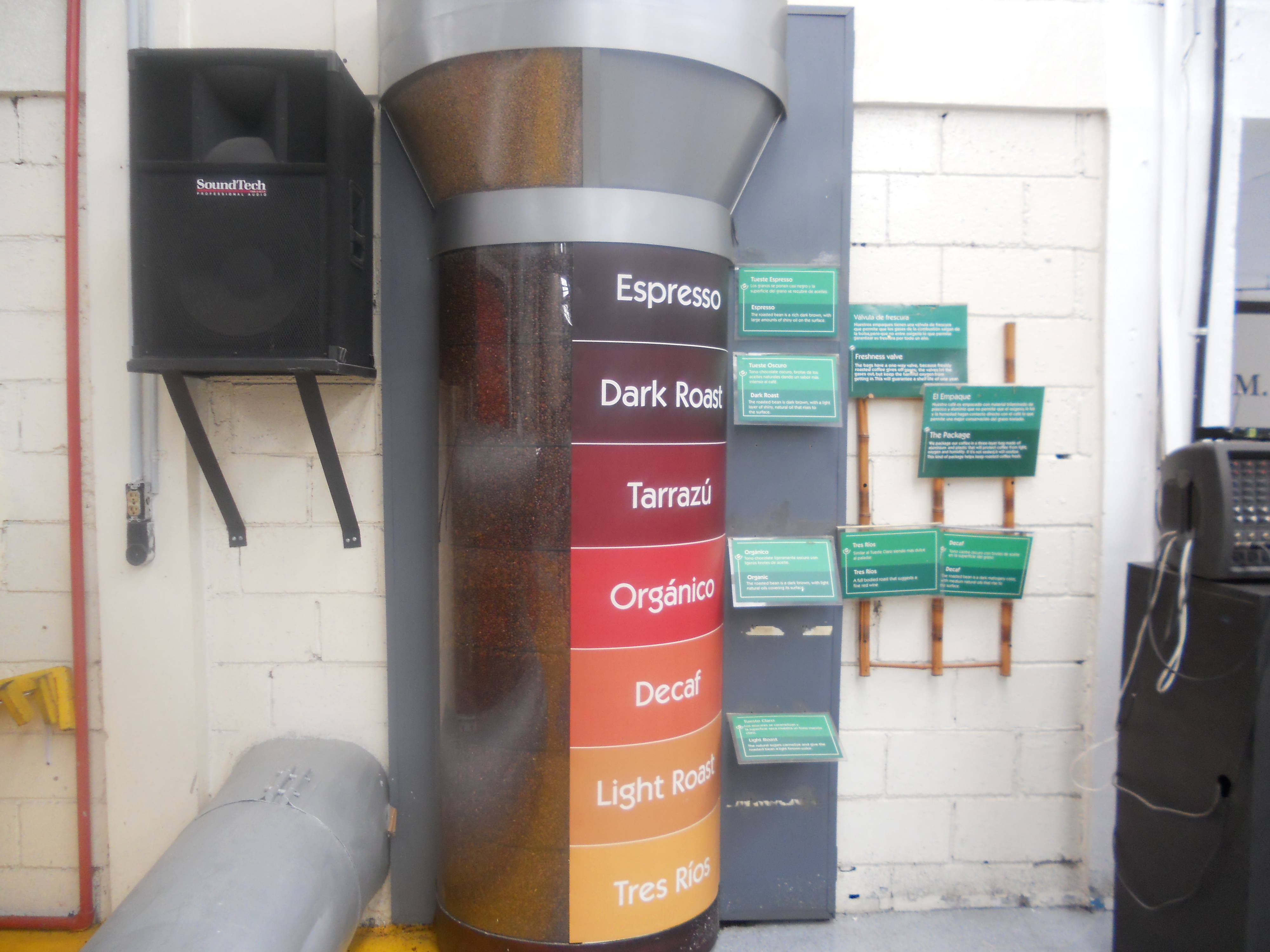
This tubular container shows the different types of coffee. As you can see by the difference of intensity in the colors from the labels in the container, less roasting time means a lighter coffee in flavor, aroma and taste

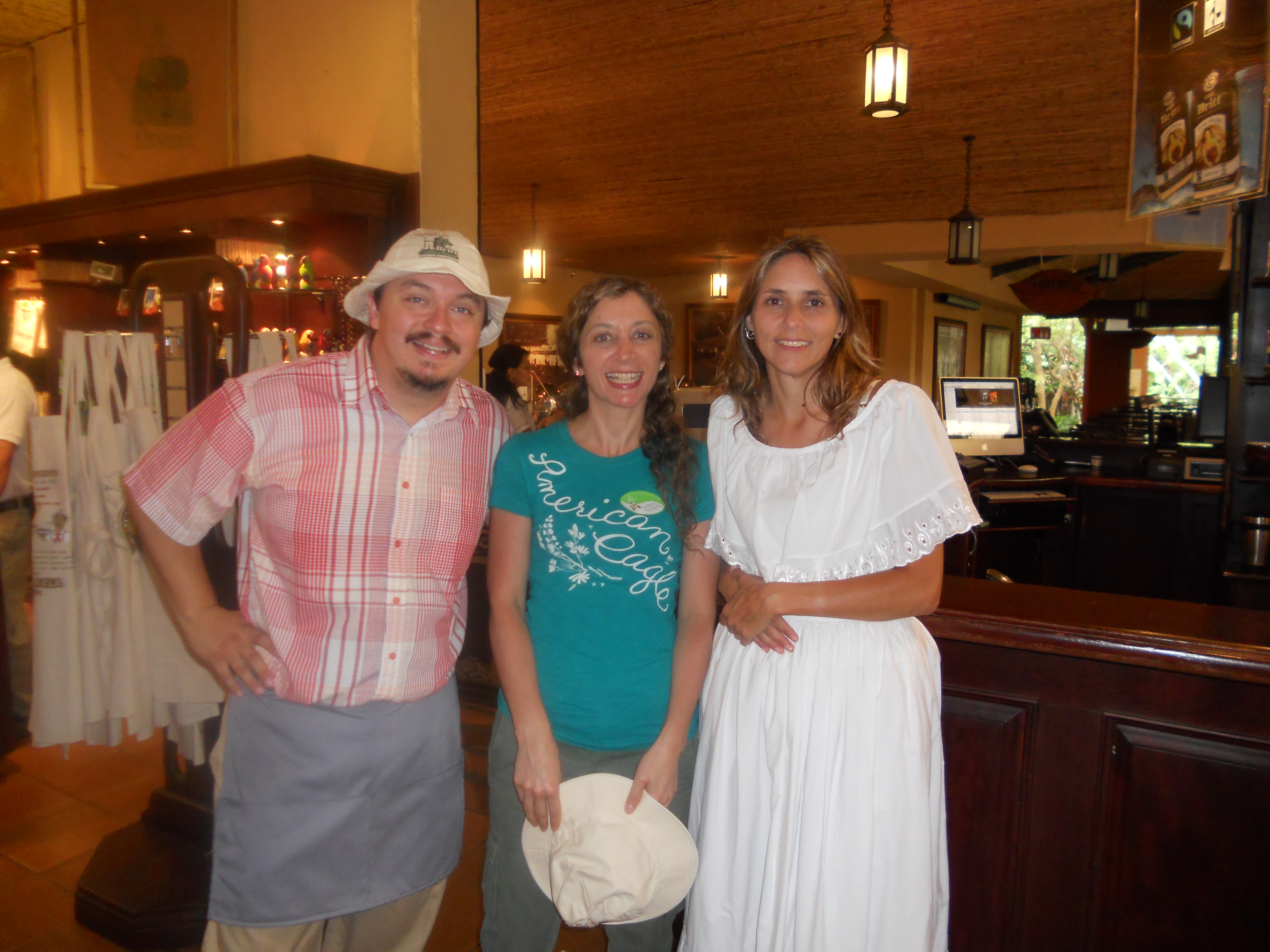
thank you so much to my friends at  “Coffee Britt Tour”!

After a long day of touring the country what best than a “siesta time” in this colorful hammock! Forget about water beds and all that stuff, these hammocks are the most comfortable way to sleep and rest ever! Hasta la vista amigos…

Celebrating Italian flavors: from the fields to your table

Every season brings its harvest of fresh and appealing vegetables and fruits. There is no greater satisfaction than to prepare them in a healthy meal for your friends and family. As a good doctor will tell you, vegetables and fruits are a great source of minerals, vitamins and fiber. All good check outs for a healthy diet! At the time of choosing your vegetables, you might consider growing your own at the convenience of your own garden, or buying them at your local supermarket or farm market. Nothing can beat the fact of getting fresh vegetables and fruits from the fields to your table. It is almost as good as having your own garden!

When buying vegetables and fruits, quality and freshness are crucial. They should be firm to touch, with good color, no withered or yellowing leaves. So, next time you visit your local farm markets examine your vegetables and fruits closely. Smell them, touch them, and learn how to know how they should look like in order to taste good. Choosing the right ingredients with the best quality and freshness are the key for any successful meal.

Now that you had successfully completed “Vegetables and Fruits 101”, get your apron, your chef’s knife and be ready to make them shine in a healthy and simple meal. Remember, when you choose the right ingredients, you are on your way to a great meal. Let your food speak for itself.  There are few ways you can show off your fresh produce. Take advantage of the sunshine and your grill before cold weather comes. Cooking vegetables and grilling fresh fruits in a grill pan or over a barbecue enhances their natural flavors. Serve them with a drizzle of good Italian olive oil; finely chopped herbs (like parsley, garlic, basil, etc); pair them with fresh crostini or your favorite bread and you have fixed a quick, simple and healthy meal.  For dessert, grille some fresh peaches, plums, apricots, drizzle them with lemon flavored honey, sprinkle with roasted walnuts or have a good quality chocolate sauce ready for dipping.

Once you have mastered the art of choosing your vegetables and fruits, the possibilities for preparing them in healthy and fresh meals are endless. So, next time you ask yourself what’s for dinner? Remember your local farm markets, the goodness of the products of their land and bring them to your table. Why not start right now trying this delicious and healthy Italian recipe? Let’s cook!

 Recipe:

Conchiglie pasta with hearty pomodoro sauce

Serves 4-5

Ingredients:

500 g Conchiglie Italian pasta (shells)

2 onions, finely chopped

2 cloves garlic, crushed

1 carrot, finely chopped

1 celery stick, finely chopped

1 cup mushrooms, finely chopped

1 sweet red bell pepper, finely chopped

1 sweet green bell pepper, finely chopped

1 small eggplant, diced in cubes

1 cup broccoli florets

1 cup very ripe tomatoes, finely chopped

1/3- cup sun dried tomatoes, cut in halves

3 cups fresh tomato sauce (you can replace it by a good quality store bought tomato sauce)

½ cup of Spanish olives (pitted)

Fresh basil leaves, to taste

Fresh Italian oregano, to taste

Salt and fresh ground pepper to taste

Pinch of sugar

Freshly grated Pecorino or Parmesan cheese, for serving

Good quality Italian olive oil

Procedure:

1. – Heat the oil in a heavy-based pan. Add the onion, garlic, carrot and celery. Cook the vegetables in medium heat stirring occasionally.

2. – Add the bell peppers, eggplant, mushrooms, and broccoli florets and diced tomatoes. Keep on eye on your vegetables by stirring occasionally.

3. – As they start to cook add the tomato sauce and sun dried tomatoes. Lower the heat, cover the pan and cook until soft but not mushy. Add the Spanish olives; season the sauce with salt, pepper, fresh herbs and a pinch of sugar (to reduce any acidity from the tomatoes).

4. – Bring a large pot with cold water to boil. Before adding the pasta shells, season it with salt and add a few drops of olive oil to prevent pasta from sticking. Once your water reaches the boiling point, add the pasta and cook until al dente.

5. – Drain the pasta and transfer it quickly to the pan with the hearty pomodoro sauce. Gently toss until combined. Serve immediately in large bowls or dinner plates. Drizzle with Italian olive oil and freshly grated Parmesan or Pecorino cheese. Add few fresh basil leaves on top. Bring to your table, enjoy and Buon Apetito!

For the love of food!

As you read this blog and get to know me, it will be easy for you to notice that there are two things that I like most. Yes, you have guessed: traveling (speacially if it involves going on a plane) and food, particularly, cooking and sharing it. Let’s face it, we all love food! (I did not find anybody who does not like it yet and I have the feeling that I will never do)…

But, do you ever asked yourself why we love food so much?, besides the fact that our bodies need food to fuction, what is beyond food?. As James Beard used to say: “Food is our common ground, a universal experience”. So, it is true than no matter who we are or where we live, all life revolves around food. Yet food is more than the sustenance we need to stay alive; food is part of which we are, part of our culture and tradition.

I got to the conclusion that food has the power to create relationships that brings moments of togetherness. My best memories of time spent with those who I love are around food. It is through food that we can express ourselves; through food we celebrate life and passing of time. No matter where we are from, how we cook, or what we enjoy, food always enriches our lives everyday!

It is my desire, as I start my culinary adventure around some of the most fascinating places in the world, that you will join me to celebrate together the power of food, the culture and people that evolves  around it. And, remember that you do not always have to go far to begin your own culinary adventure. It can start right there where you are by just discovering and sharing the food around you with those you love…