Setting no boundaries in the pastry world

For all those pastry lovers who are adventurous enough to stand, drawning up in the chill of a harsh NYC winter before the clock marks 6 am, at the door of one of the most creative bakeries in downtown Manhattan, the name of Dominique Ansel, sounds like sweet melody in their ears. There is a reason for this pastry madness and commotional human behavior. Pastry Chef Dominique Ansel’s marriage between a buttery traditional French croissant with a funky American fried doughnut named “The Cronut”.

cronut nyc

This laminated, glazed, fried in grape seed oil croissant-doughnut injected with the filling of the month, like caramelized apple and Tahitian vanilla cream, born on May 10, 2013 with US Patent has broken the rules of traditional pastry making and has spread rapidly across the national and international borders.
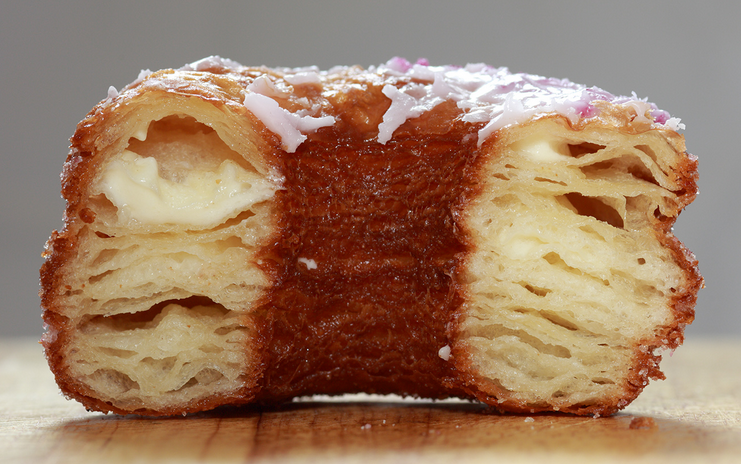
cronut nyc 2

For his creator and pastry master, Dominique Ansel, “the cronut”, is just one manifestation of his love for pastry, joy for the scientific rigor of the craft, and years of expertise in the matter. Born and raise in Beauvais, France, started working his way up in Fauchon, the Fabergé of sweets on the Place de la Madeleine in Paris, and then in the United States, for six successful years as the Pastry Chef in the acclaimed restaurant Daniel from Daniel Boulud.

dominique & cronut Though he may be the most inventive pastry chef going in New York City and beyond, his early beginning are as humble as his present attitude. With only 16 years old- Chef Ansel started washing dishes and swept floors at a family restaurant. With no money to afford culinary training, he decided to enlist to the military where he managed to get a job in the kitchen. After saving enough money to move to the City of Lights, Paris, his tenacity and hard work paid him the ticket to work his way up to a permanent job at Fauchon. Moving up in the company to the point of opening new shops abroad and training young bakers. Eager to explore new culinary possibilities, back in 2006, he landed in the City that never sleeps, to take over the top pastry job at Daniel. Ambitious enough to spread his wings and unleash his creative mind in the pastry business, Chef Ansel, open his own casual pastry shop and center of operations in Soho, NYC back in 2011. The idea has been simple from the start: traditional creations like macarons, cannelés de Bordeaux and his own version of the Breton pastry kouign amann.
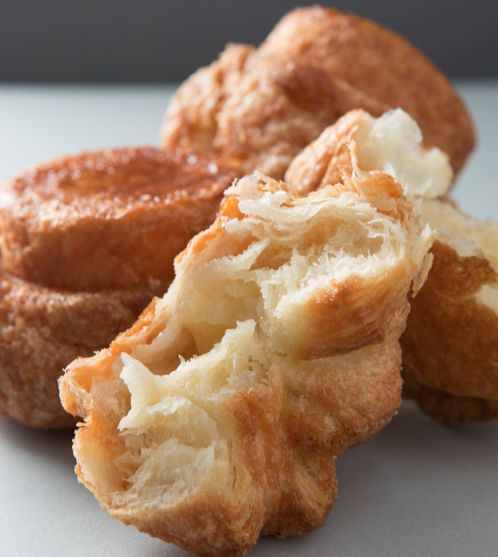
kouign amman-dominique ansel2

As creativity started being unleashed, chef Ansel began to think up to the point that many creations inspired by American flavors were born, like: “the Frozen S’more”. A vanilla-flavored core of frozen custard in a chocolate feuilletine wafer under a layer of marshmallow stabbed with an applewood-smoked willow brach and torched to order.

Frozen-Smore-Interior-dominique asel And if you are hungry for more and happens to be in the city this spring, the latest wild creation of Chef Ansel for this season has arrived and caused big commotion as usual. “The waffogato”, an innovative twist on the Italian affogato, in which strong hot espresso is poured over a scoop of vanilla ice cream. In Chef Ansel’s new confection and version of the affogato, he manages to convert the affogato into a breakfast treat, as the vanilla ice cream takes the shape of a waffle enhanced with Belgium waffle bits, and the maple syrup-scented espresso is poured over. Another crazy idea that sets the existence of no boundaries in the pastry world.

Dominque Ansel_waffogato nyc

A Swedish sweet tradition

The magic of food is that it can take us to discover the deepest secrets that relies between a meal, an ingredient, an aroma, to the history and culture of the country is originated.

During this past Christmas, my friends and I decided to cook traditional food from our countries, that reminds us to this particular Holiday season. That is how I got to learn how to make Lussekatt, by the hand of my friend Elin. These wonderful and tasty spiced yeast-leavened sweet saffron buns,  with a delicate touch of nutmeg and raisins, are a party in your mouth!

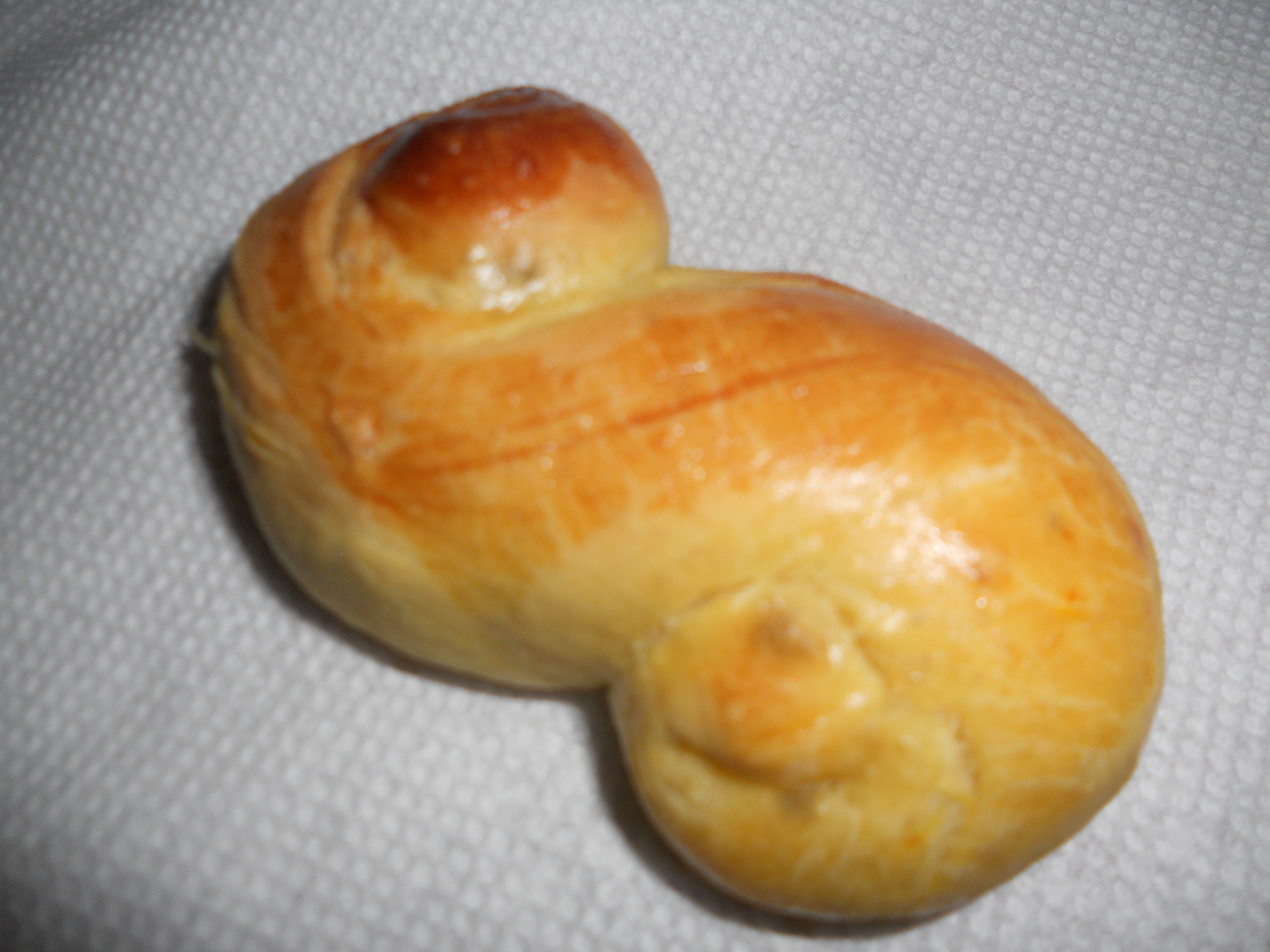
The buns are baked into many traditional shapes, of which the simplest is a reversed S-shape. In Sweden they are traditionally eaten during Advent and especially on Saint Lucy’s day on December 13. But I am a believer that once you tried one of this sweet treats, you will want to eat them all year round!

To prove I am a good girl (in case Santa is still around and wants to bring more presents…) I decided to share this traditional recipe with you all.

Enjoy them and include them in your own Holiday tradition!

Lussekatt Ingredients:

150 grams melted butter

1 gram saffron

18 oz milk

50 grams fresh yeast

250 grams Quark

1-1/2 tbsp sugar

1 tbsp cardamom

1 tsp salt

1 whole egg

3 cups All purpose flour

1 cup raisins

Lussekatt procedure:

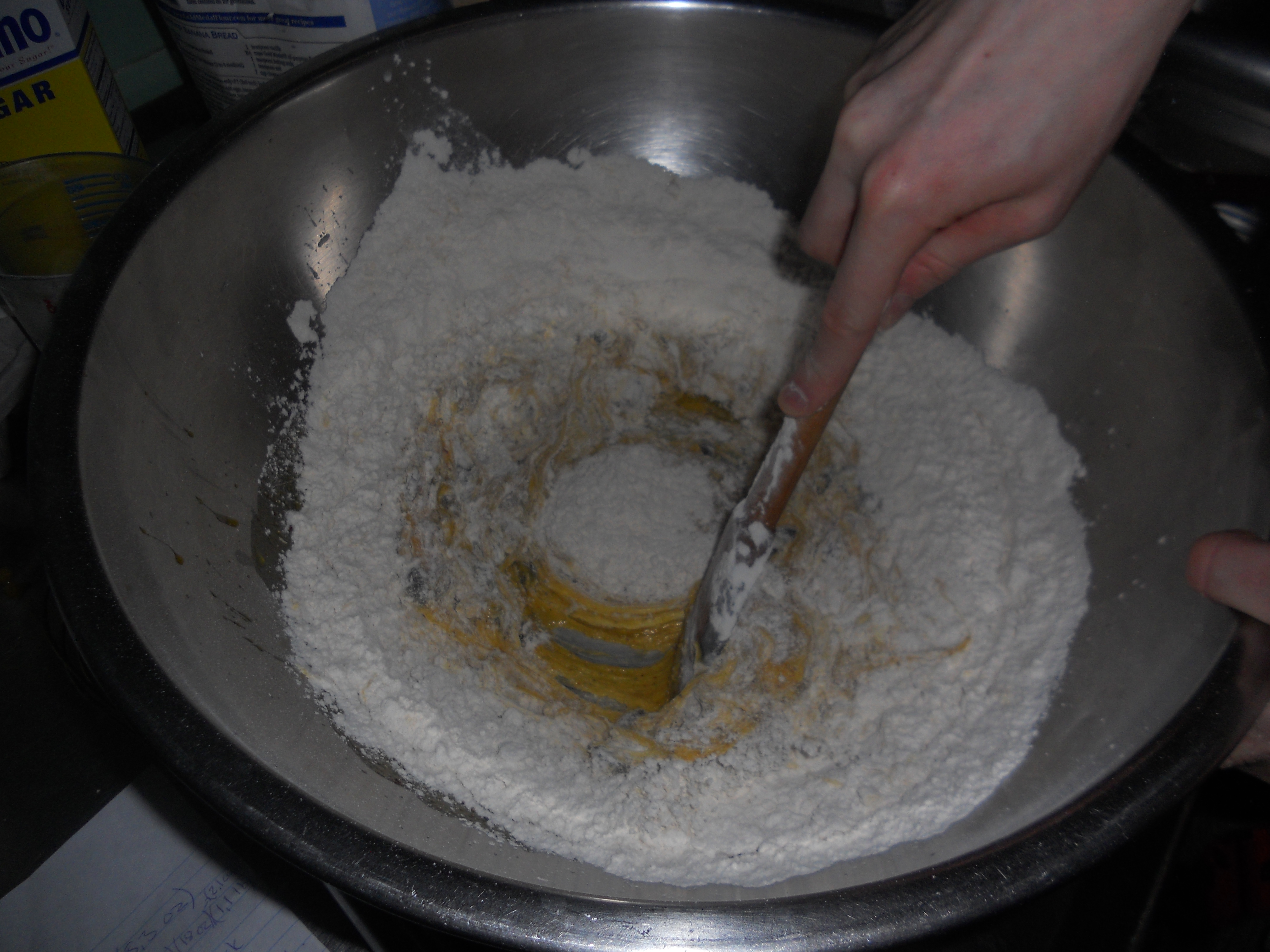
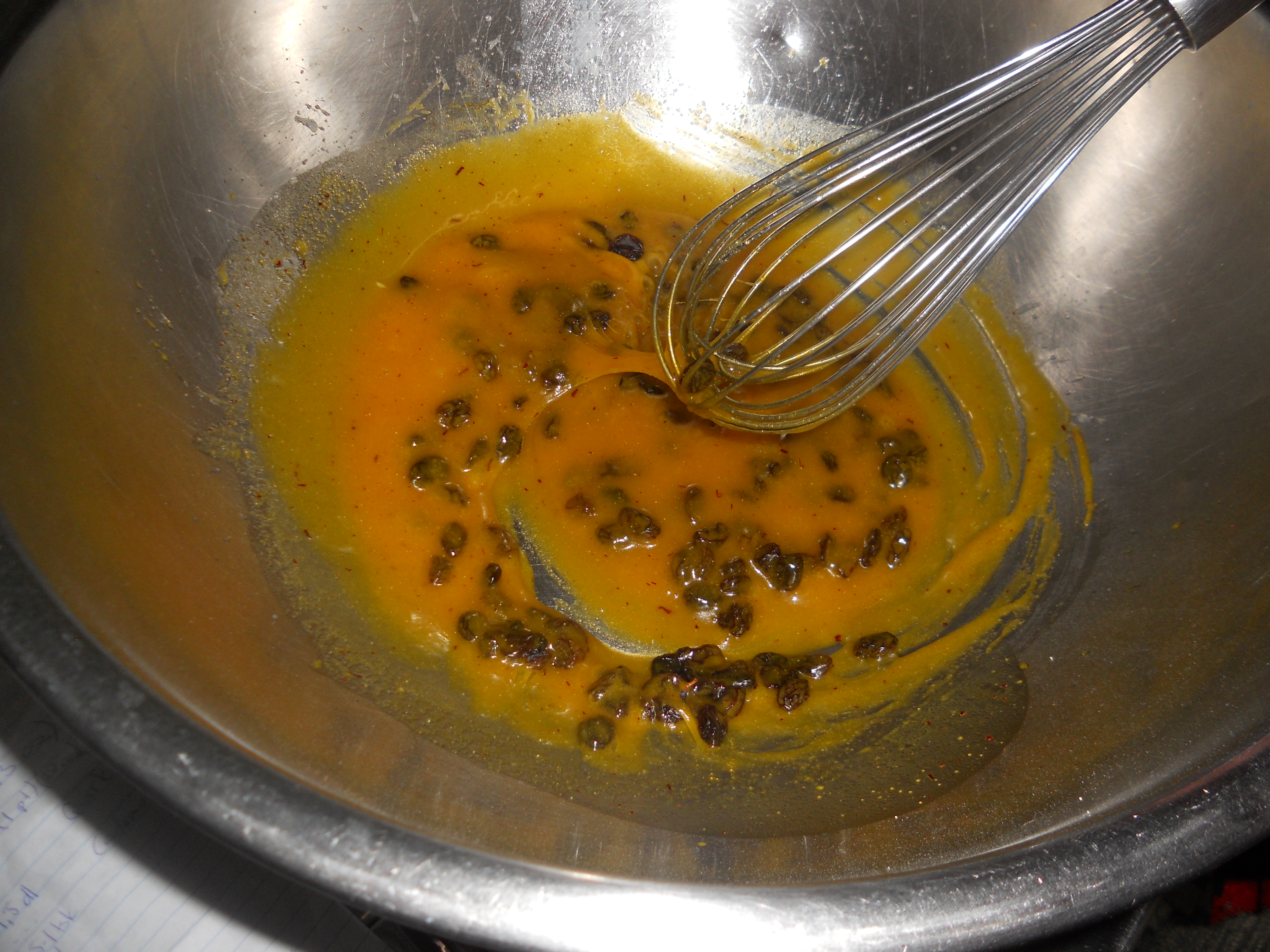
In a big bowl combine the melted butter, slightly heated milk and yeast, and mix well. Add saffron previously grounded with a mortar and pestle, sugar, salt, cardamom, one egg and raisins.DSCN3739Mix well to combine and gradually add the sifted flour

DSCN3744

Combine until a dough that pulls out of the bowl forms. Be careful to not overwork the dough. Cover the dough inside the bowl with a clean kitchen towel and or plastic film and let it proof in a warm environment (like on top of your stove) for 1 hour or until double in size

DSCN3750Once it proofed, work the dough on a clean floured table. Cut it in quarters and start shaping little logs of dough that will be shaped in a reverse S-shape

DSCN3754

once you shape your lussekatt, placed them in a buttered baking pan, cover with kitchen towel and or plastic film, and let them proof once more time, about 40 minutes to an hour

DSCN3755Once proofed, egg wash your pastries and bake them in a preheated oven at 400 F for 5 to 8 minutes or until nice color

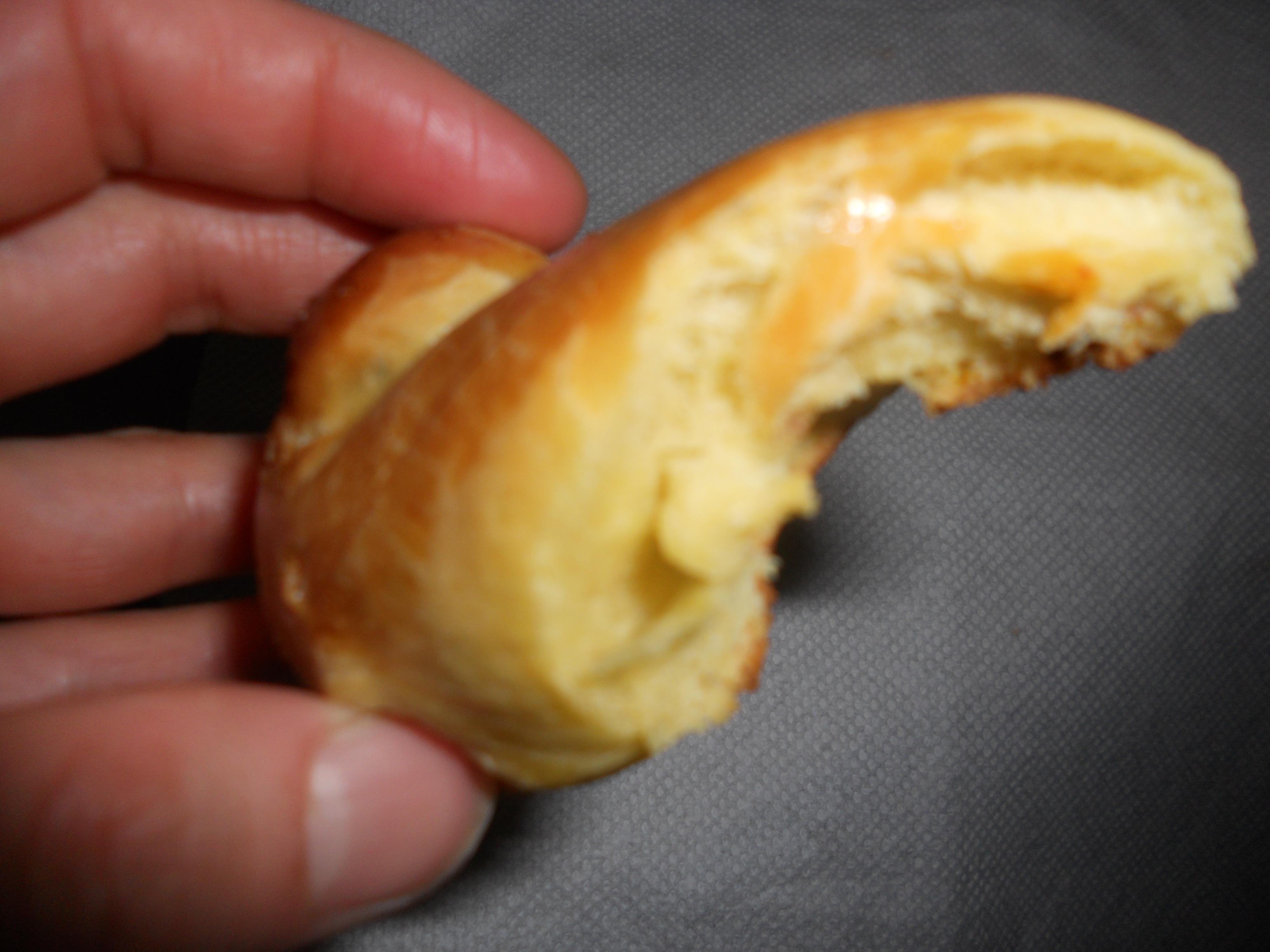
DSCN3763let them cool and enjoy them with milk and good company!

DSCN3769DSCN3765You will enjoy every bite of these sweet pastries… I guarantee it!

Ciao Bologna!

My Italian blood is calling, and a visit to my relatives from the Northern Italian Region of Emilia-Romagna, is on the list. So, after getting my carry-on ready, I am on my way to la cittá di Bologna!

DSCN2324This city well-known as a cultural and tourist centre, being the home of one of the most prestigious universities of the world: la Universitá di Bologna, is also a great culinary choice as it offers everything your palate could desire

DSCN2428

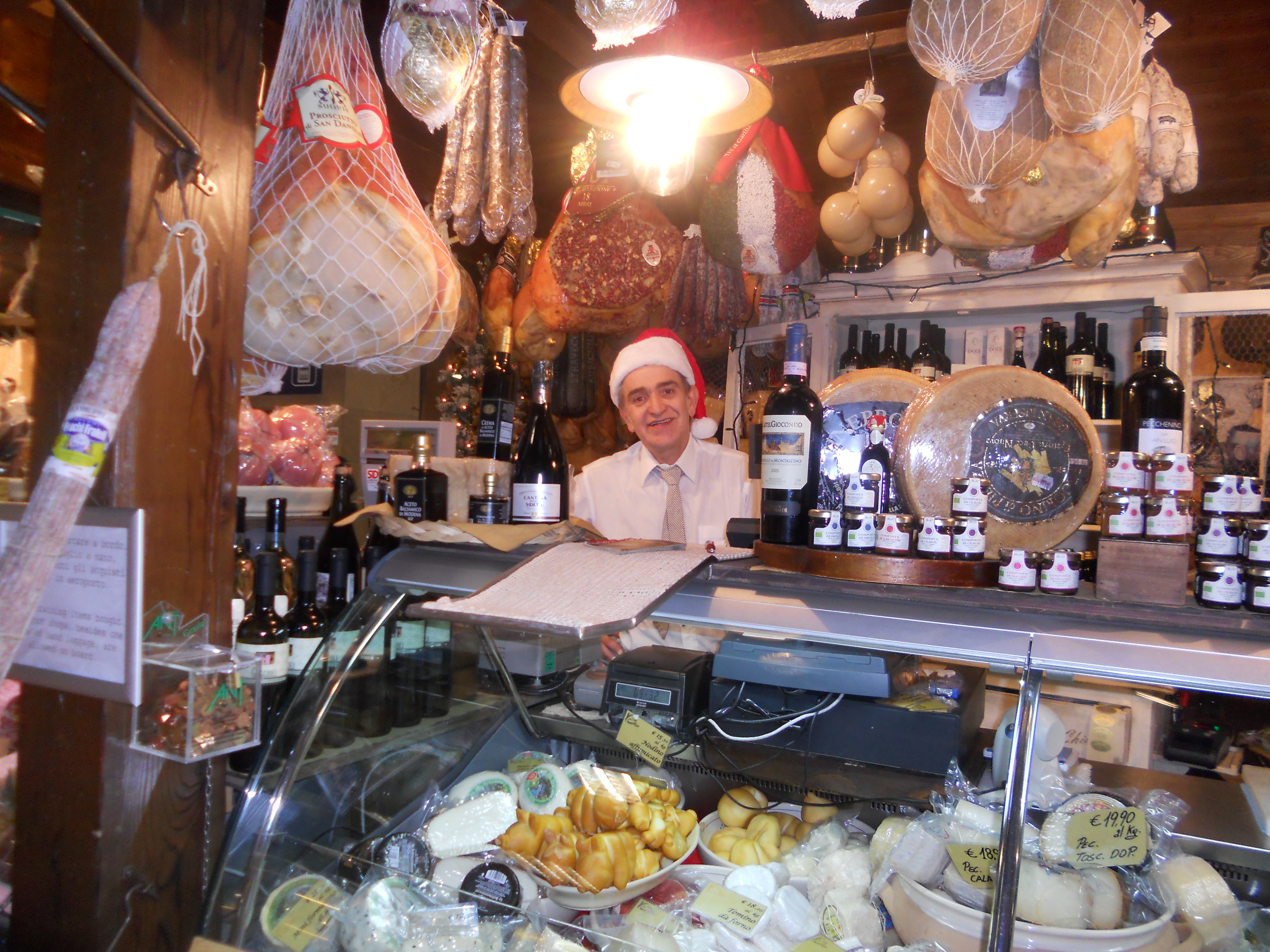
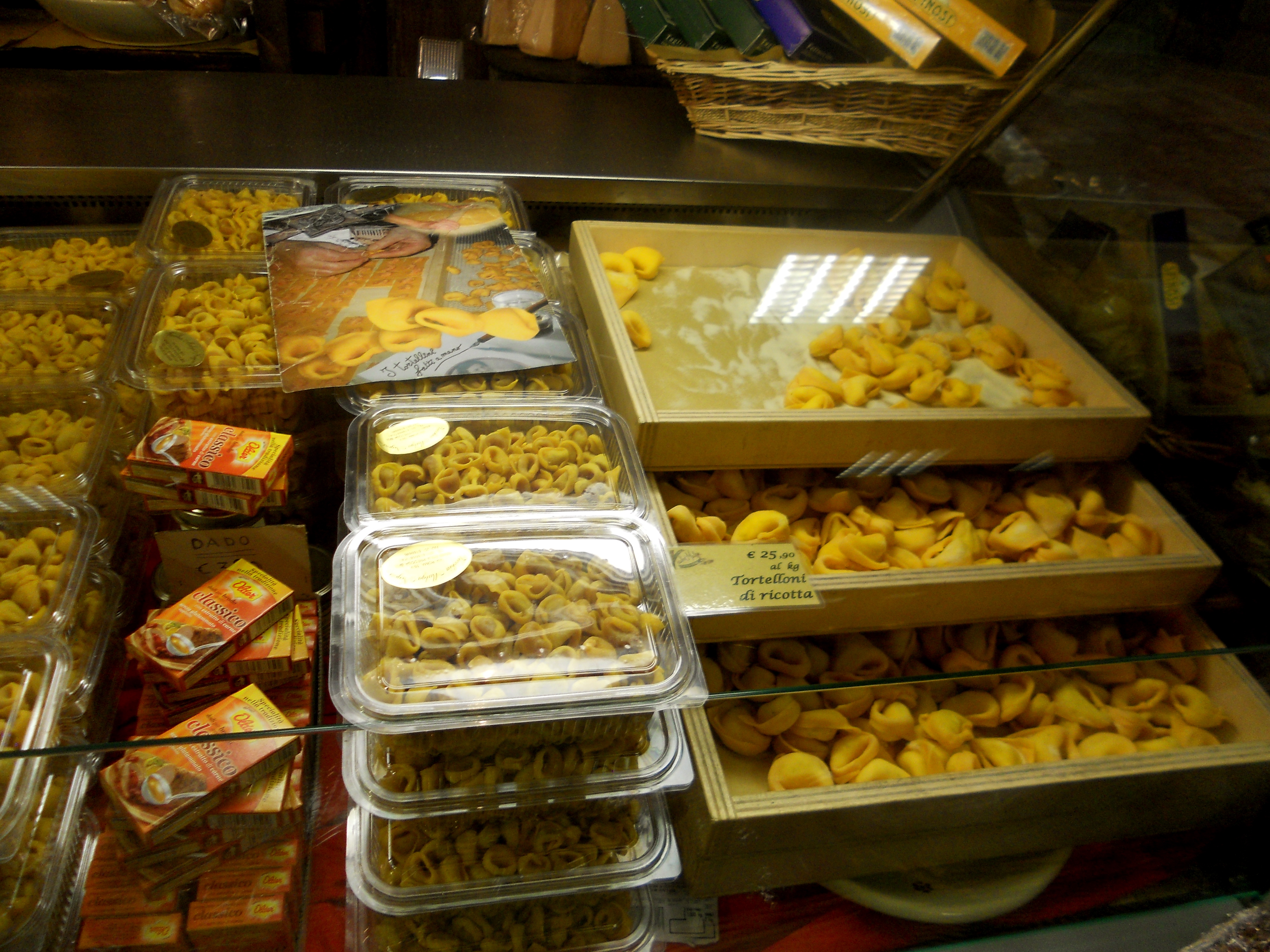
Splendid Parma hams, tasty Parmigiano Reggiano, pig rearing, aceto balsamico, milk and dairy produce, and an endless paradise of pasta fresca in a variety of forms and shapes like: ravioli, tortellini (for which there are around 101 different recipes invented in Bologna-as the locals say), agnolotti, capelletini, lasagne and more, . And, as my grandmother Angela used to said: “the secret of a great fresh pasta is using always the fresh ingredients and never change the recipe”. Believe me, every rasdora (housewife) in Bologna master this respect and technique for the art of pasta making. Pasta dough is carefully kneaded, pulled out by hand or rolled out thin with a rolling-pin that pass through generations to generations as a precious trophy

DSCN2426Many Italians cities have a nickname that describes its historical origin. Bologna is known as: Bologna la Dotta (Bologna that Learned) alluding to the fact it is the home of Europe’s oldest university founded in 1911, and Bologna la Grassa. Even though the epithet “fat” sound a little bit negative, it reveals the preference for the ample and sumptuous cuisine of their native city. What this means? Simple: cooking according traditional recipes, respecting the ingredients and spending long time in the kitchen. Forget about innovative cuisine in this part of the world. It is all about tradition. A beautiful tradition that is served and tasted at the table of each Italian home as well as their restaurants
DSCN2270

Like my paccheri pasta con Ragú alla Bolognesa that was enjoyed to the last bite!

DSCN2273

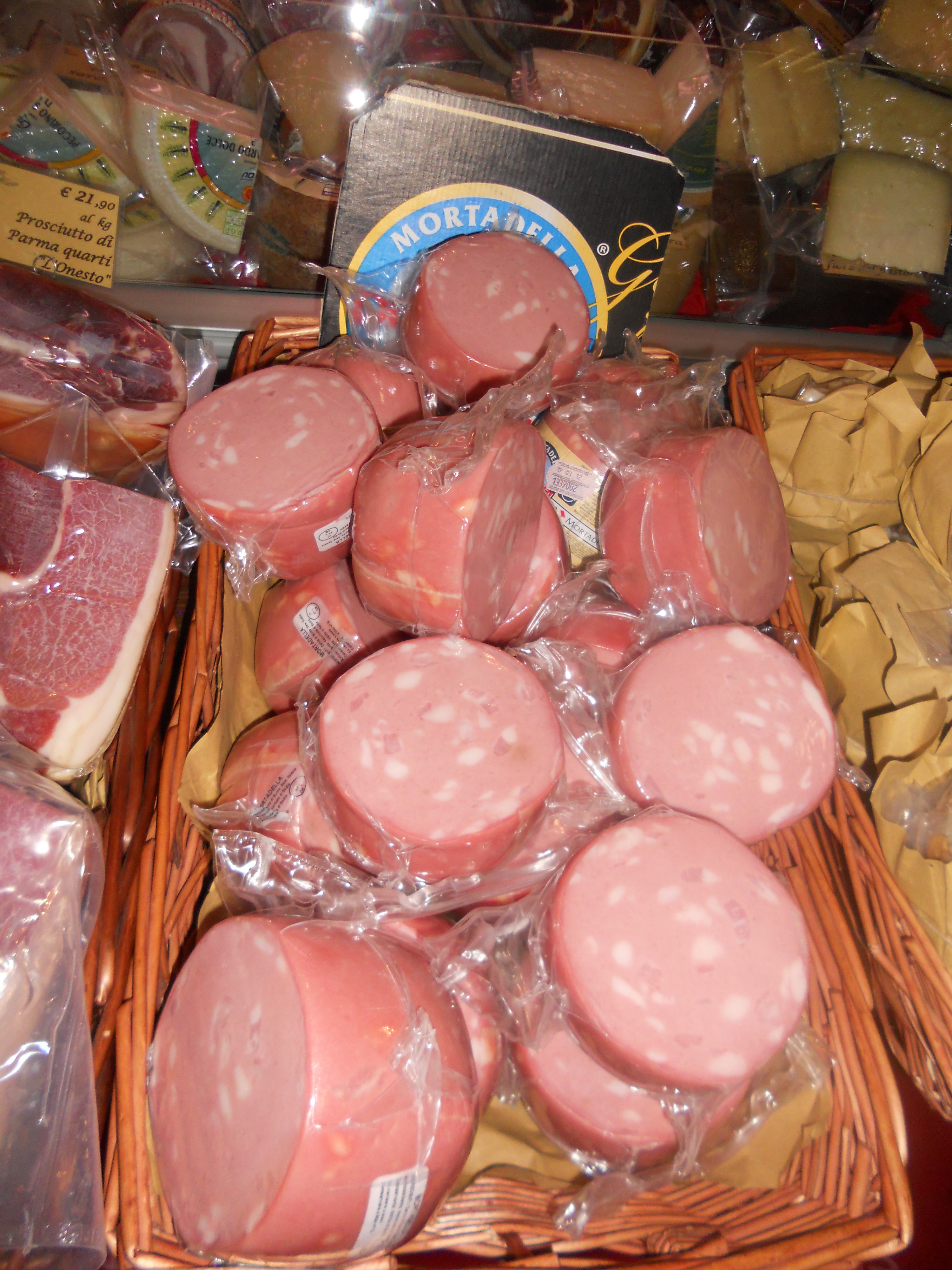
But nothing says more Bologna la Grassa-culinary speaking- than Mortadella

DSCN2429Ground pork meat and long strips of fat that gives the mosaic appearance and the unique taste, plus the secret mixture of herbs that every Italian butcher will add, gives mortadella its incomparable taste that makes everyone happy

DSCN2396

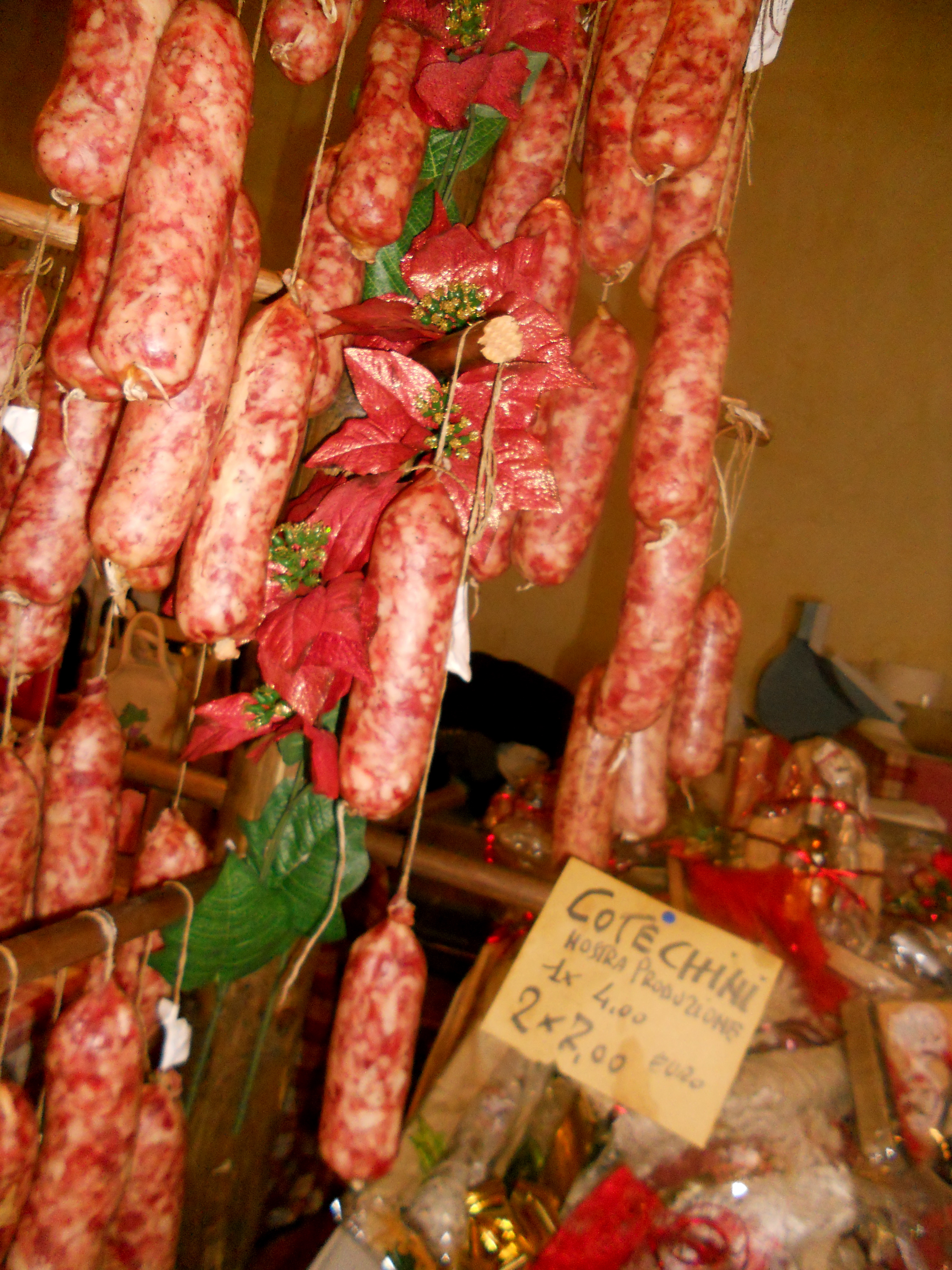
Sausages like: salama da sugo (pig’s liver and tongue wrapped in a coating of ground neck of pork), coppa (delicious antipasto made with meat from the pig’s neck), pancetta (fatty bacon from the belly of the pig), salsiccia (fresh sausage made from pork and beef mixed with baco) and cotechino (made with pork rind, lean pork, fat and seasonings),  a favorite in Emilia-Romagna served with lentils and sauerkraut

DSCN2366

but, what else makes Bologna a fantastic culinary and cultural destination?

DSCN2403

We can not forget about the delicious and traditional pastries like: torta di risso, one of my favorites served at Gamberini, a magical pasticceria that first opened its doors back in 1907

DSCN2390

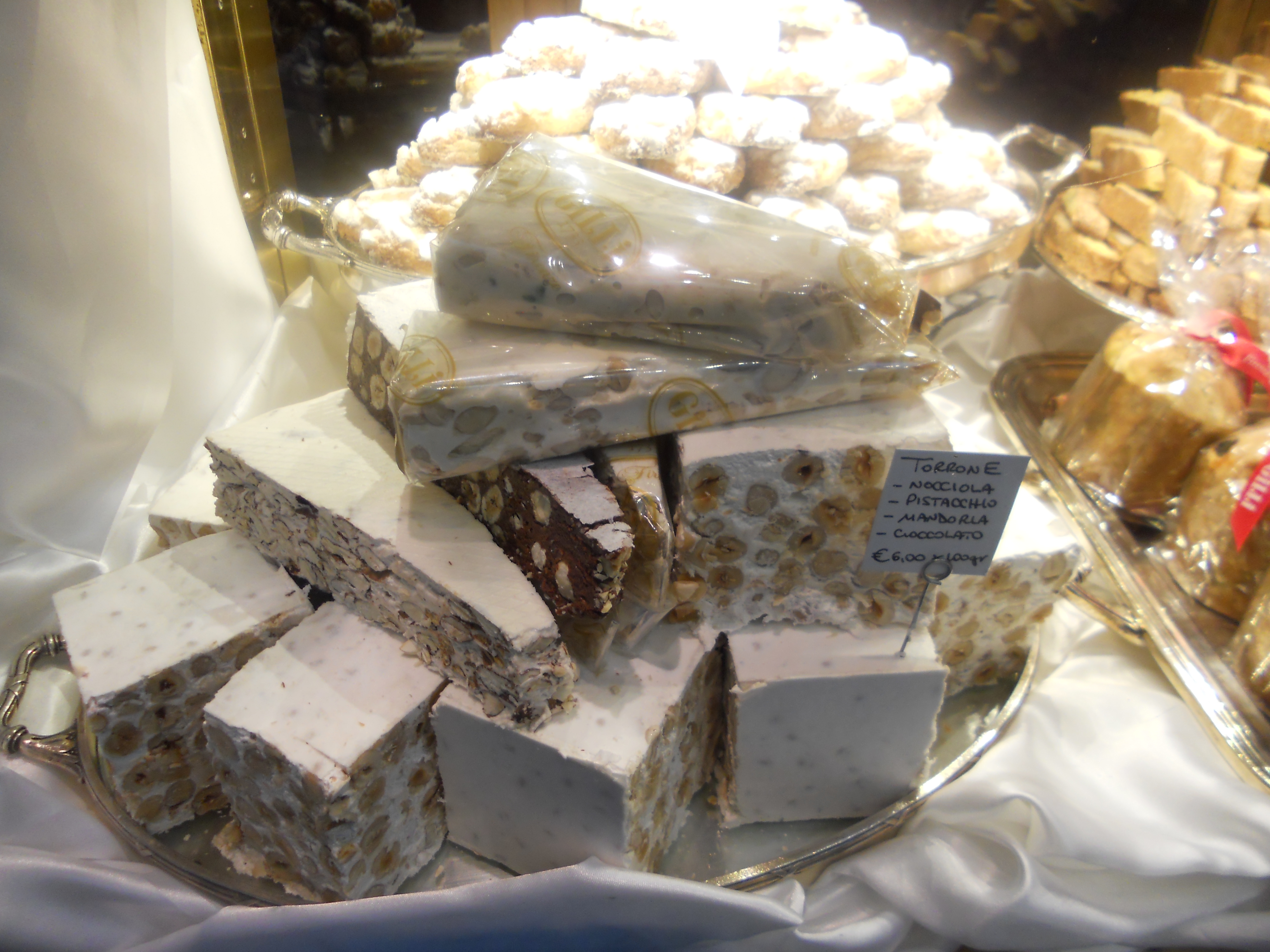
Turrone, panforte, cannoli, spumeti, biscotti, chocolato, gelato,… all ready to transform your life in a Dolce Vita!

DSCN2360The tradition of the city…

DSCN2345The music of their hearts…

DSCN2260The celebration of their culture and food…

DSCN2346and, let’s not forget the celebration of their first passion: fútbol, that will make you scream: forza Italia!- at any game

DSCN2363

The richest produce of their soil

DSCN2267

The richest juice of the grapes in their vines …

DSCN2376

All these and much more, makes this amazing city full of tradition and culture, a destination that will warm your heart, body and soul. Ciao bella Bologna!

A taste of my sweet Paris

Finally it has come, my visit to Paris. A magical city with charm and beauty all around

Many reasons can bring you to this City of Lights. You name it: fashion, art, culture,romantic scape, etc. For me it’s all about pastries. So, I have raised the bar and my goal was set: map on hand, comfortable but fashionable shoes, camera on hand, and an empty stomach ready to taste the best pastry and chocolate creations this magical city has to offer! Time frame?: 48 hours. Ready, set, go!

eiffel tower picMy list of best patisseries and chocolate shops of Paris has many names on it: Laduree, Pierre Herme, Jean-Paul Hévin, La Maison du Chocolat, Patrick Roger, Gérard Mulot … but, after visiting them all, I have chosen to dedicate this post to one of my favorite patisseries as my palate has tasted and spoken: Cafe Pouchkine

DSCN1666With no less appreciation for the rest of patisseries from my list, Café Pouchkine Paris, has captivated my eyes and all my taste buds. Located in the ground floor of the Printemps Department Store, the renowned pastry chef Emmanuel Ryon, has accomplished to honor each classic French pastry with his unique touch of Russian flavors and ingredients that represent him

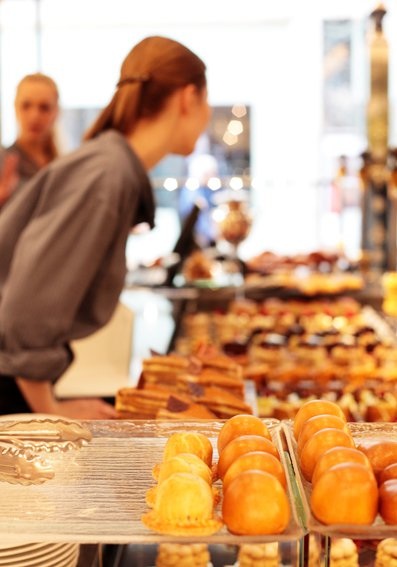
blog pic-cafe pouchkine vidriera con pastries

Caramel, chocolate, pistachio, lemon, vanilla, rum, fresh fruit, spiced flavors of the world that burst in your mouth and awake all your senses take many forms in Cafe Pouchkine!

blog pic- cafe pouchkine sales lady

All bring us together to this amazing patisserie that enchants you with its Russian charm as soon as you enter through its doors

blog pic-eclair cafe pouchkineéclairs with many flavors like chocolate and caramel

blog pic-le millefeuille pouchkine

Millefeuille made of caramelized puff pastry between layers of light Bourbon-vanilla chantilly

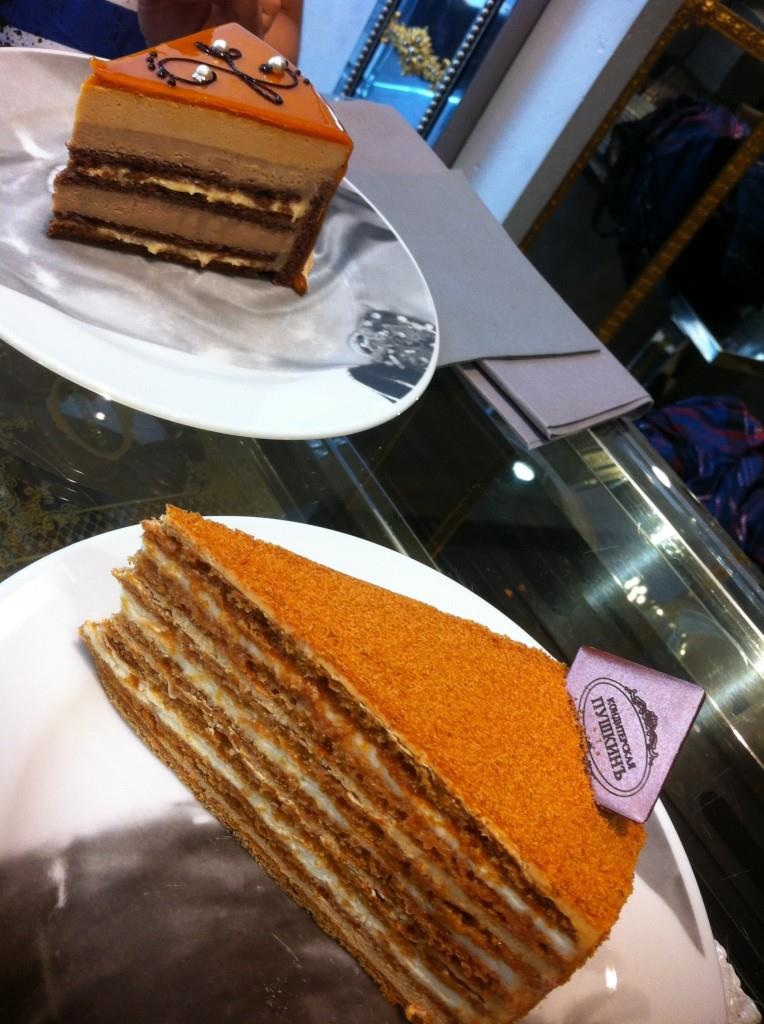
blog pic-caramel cake & honey cake

Cakes full of flavors and textures, like the Caramel and Honey cakes

blog pic- prague cake

and one of my favorites: The Prague Cake, traditional chocolate genoise, with layers of mousse au chocolat, spiced with chunky green apple marmalade

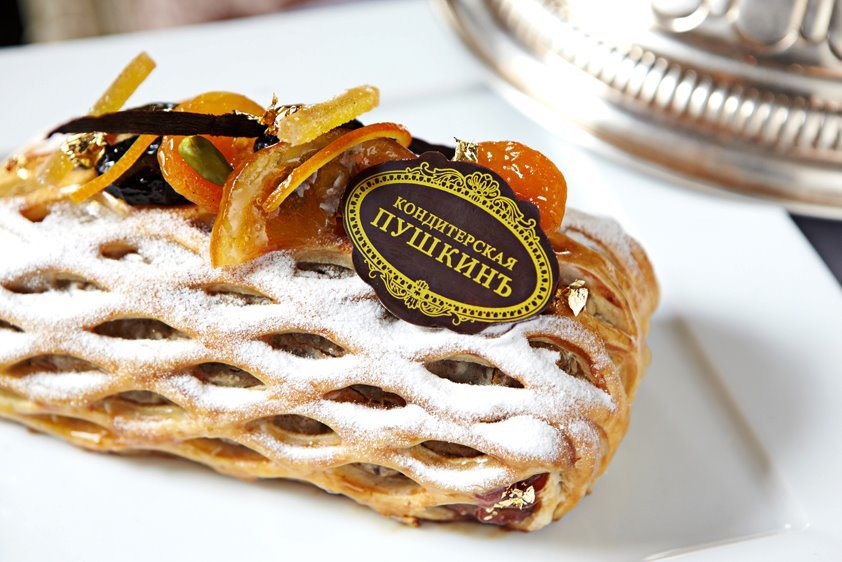
blog pic-strudel cafe pouchkine

not your typical strudel at Cafe Pouchkine. A bite of this fine pastry filled with apple compote and pistachios, will delight your senses to the extreme!

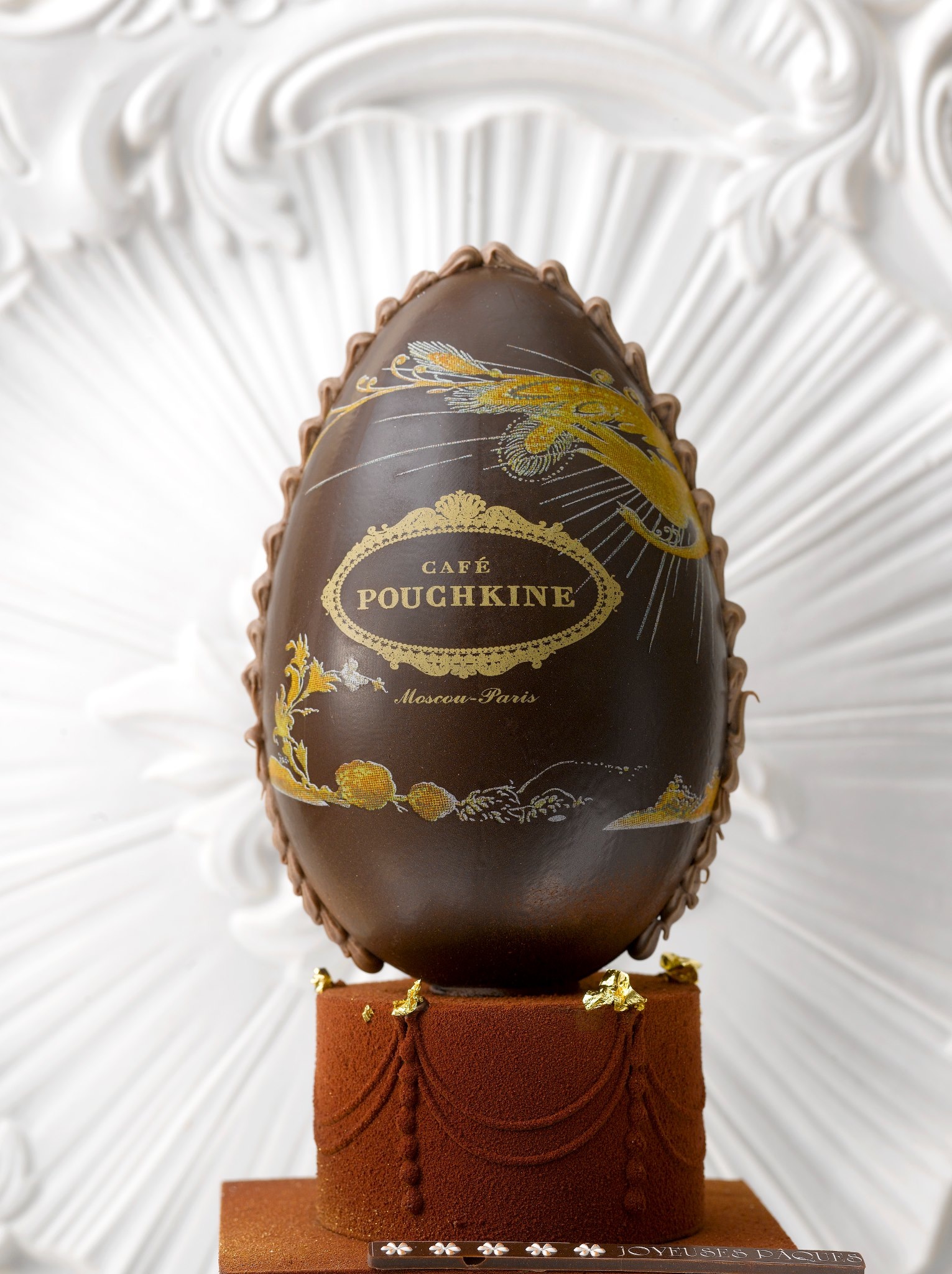
blog-pic cafe pouchkine

amazing chocolate creations for all seasons

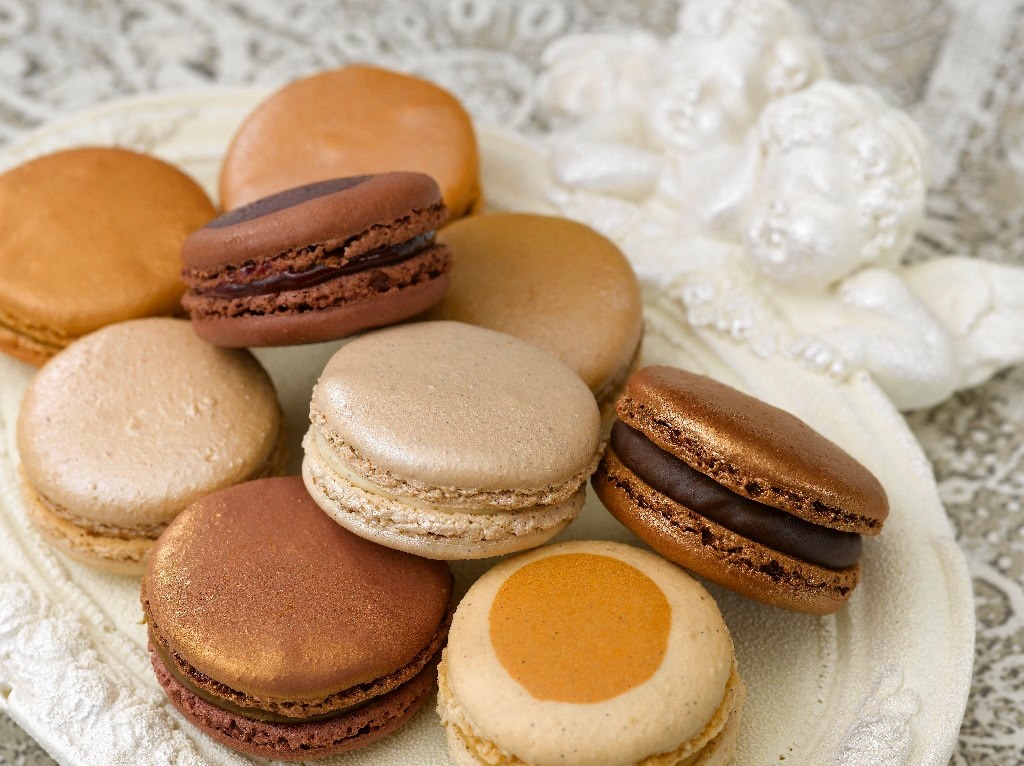
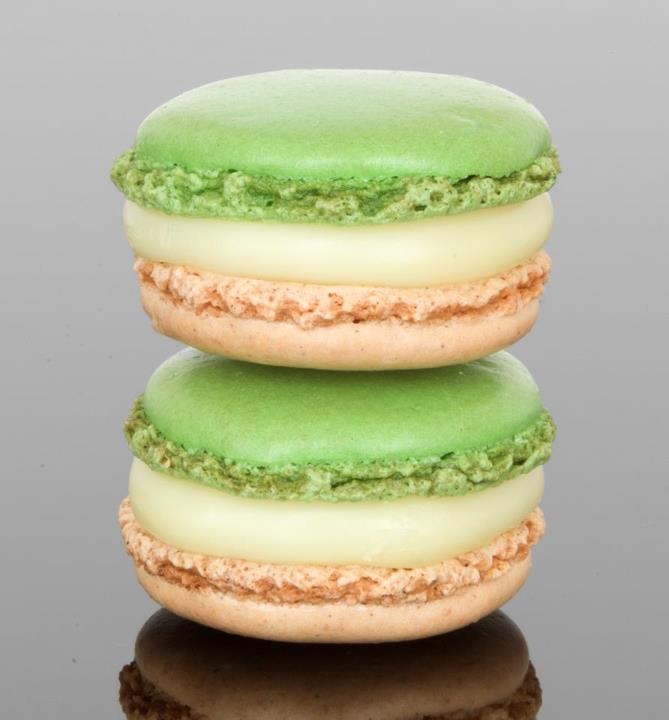
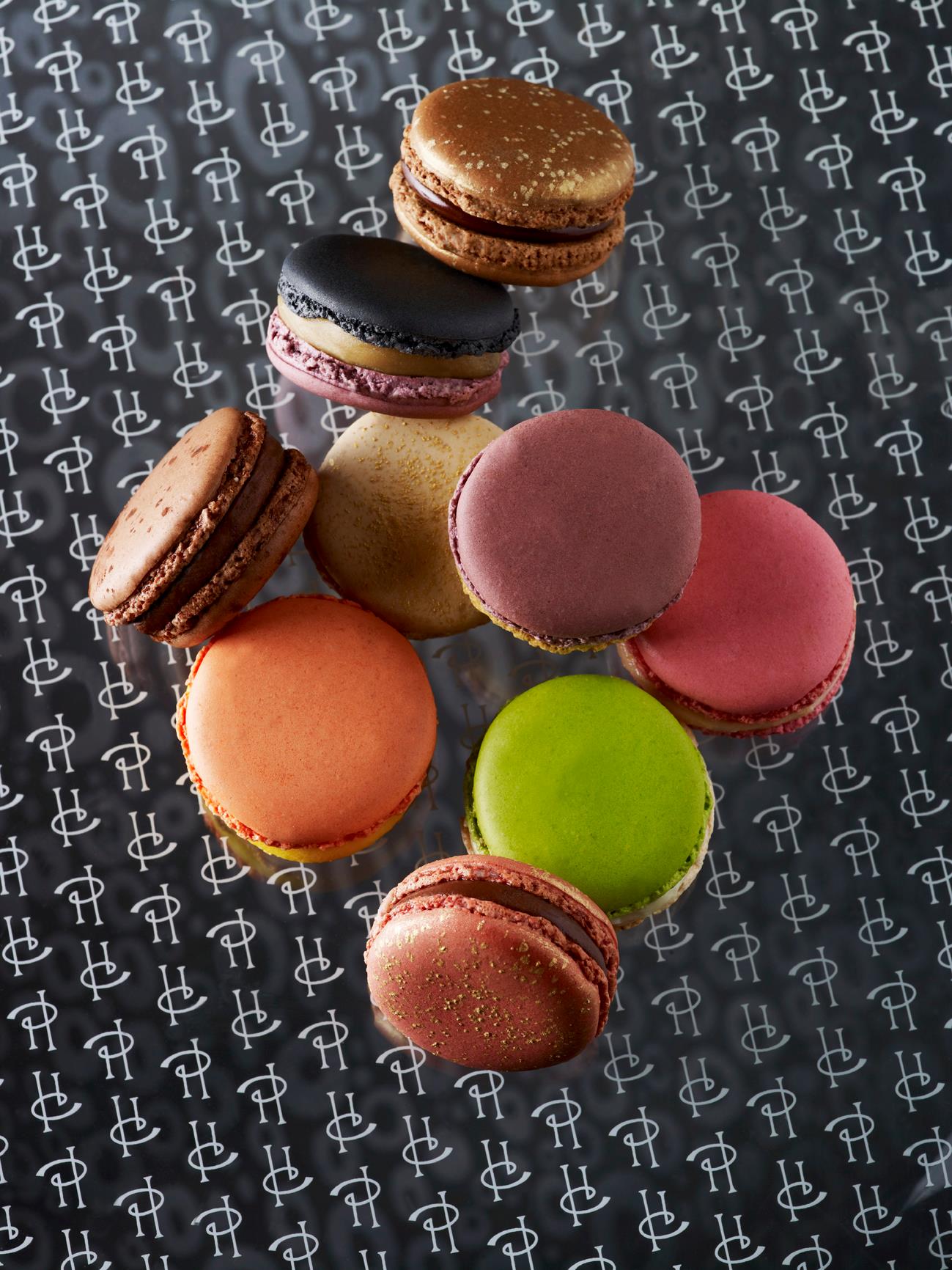
blog pic-macaroons cafe pouchkineUnique macaroons in shape, color and flavors that are impossible to resist

blog-pic cafe pouchkine3

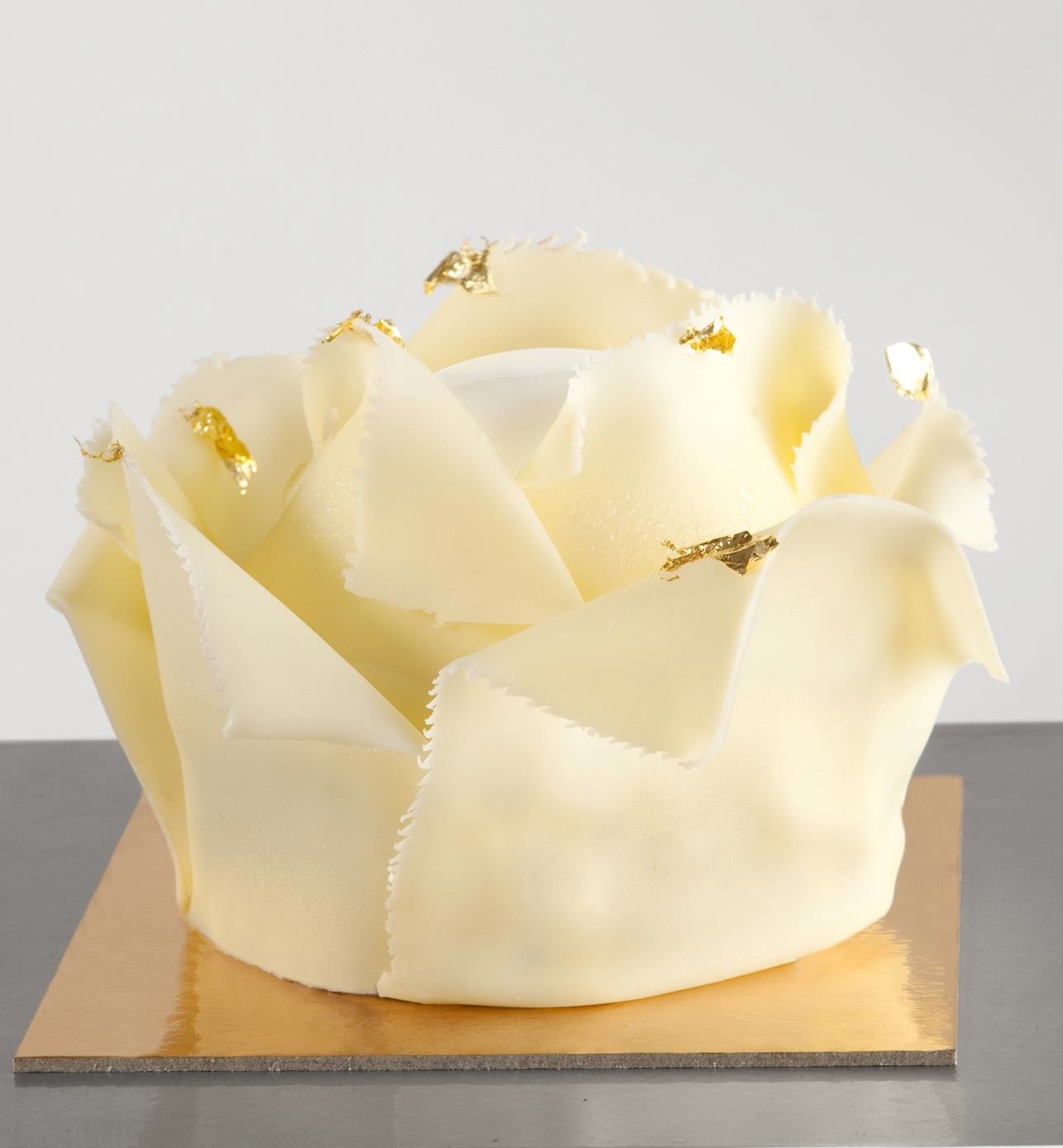
A beautiful Rose Pouchkine made of pistachio biscuit with fruit compote and pistachio cream embellished with white chocolate petals kissed by golden leaves

blog pic-amande pastry

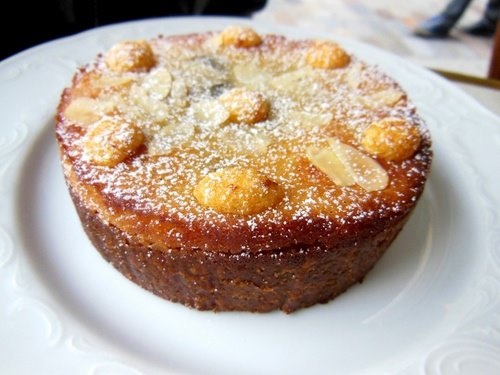
and because sometimes simple is the best, this tarte aux amandes, was my first choice to start my day in Paris, with a cup of hot chocolate… Bonjour!

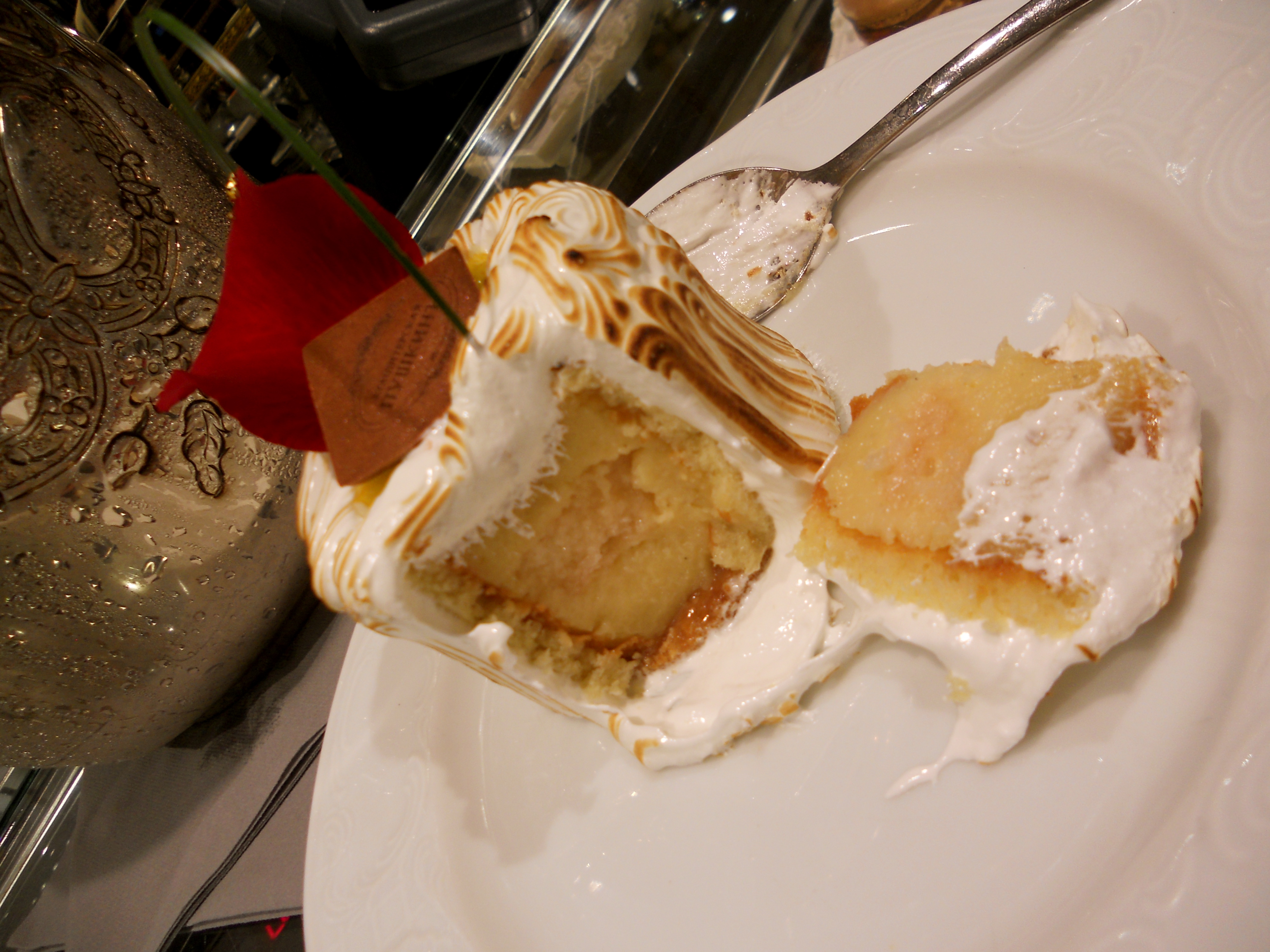
DSCN1688With many incredible choices it is hard to choose your favorites, but I have to say that the Gateau citron meringue called my attention

DSCN1690its heart of sharp lemon surrounded by a smooth and fluffy genoise cake, with the delicate touch of a rich and soft meringue, can take you to the other realm!

DSCN1871Saved for later: my Baba Stainlas. Believe me when I say that you have not tried a real baba rum cake until you taste this one!

DSCN1873

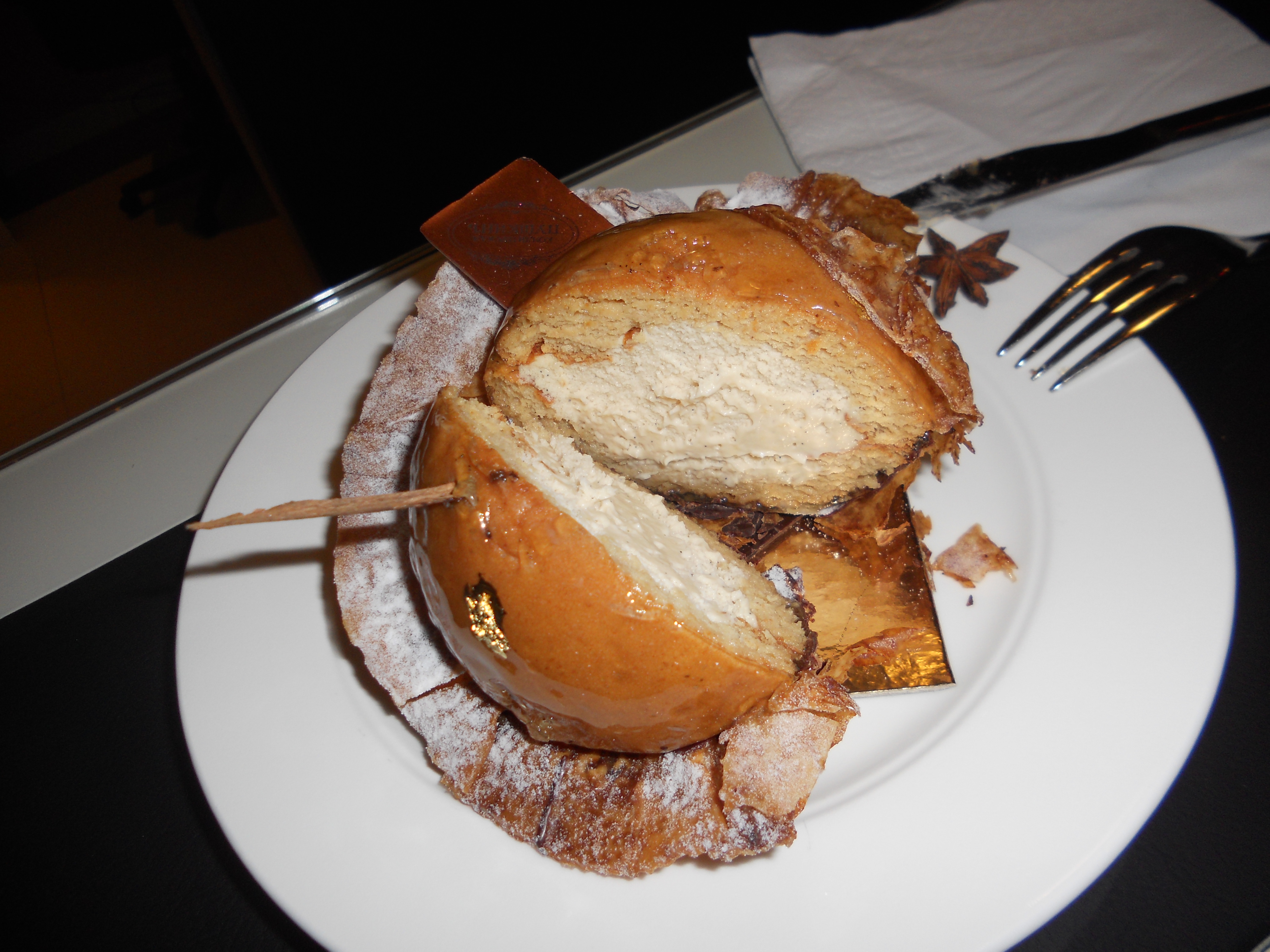
A spiced cake, with a center of caramelized vanilla-rum creme and caramelized pate phyllo dough for an extra crunch and contrast in texture, that is out of this world!

DSCN1837

Finally, after my two days of best pastry hunting, with a full stomach, a warm heart and exhausted feet, I happily can said: mission accomplish. Once again, my sweet Paris, got me craving for more!

Chocolate truffles: what a sweet mistake!…

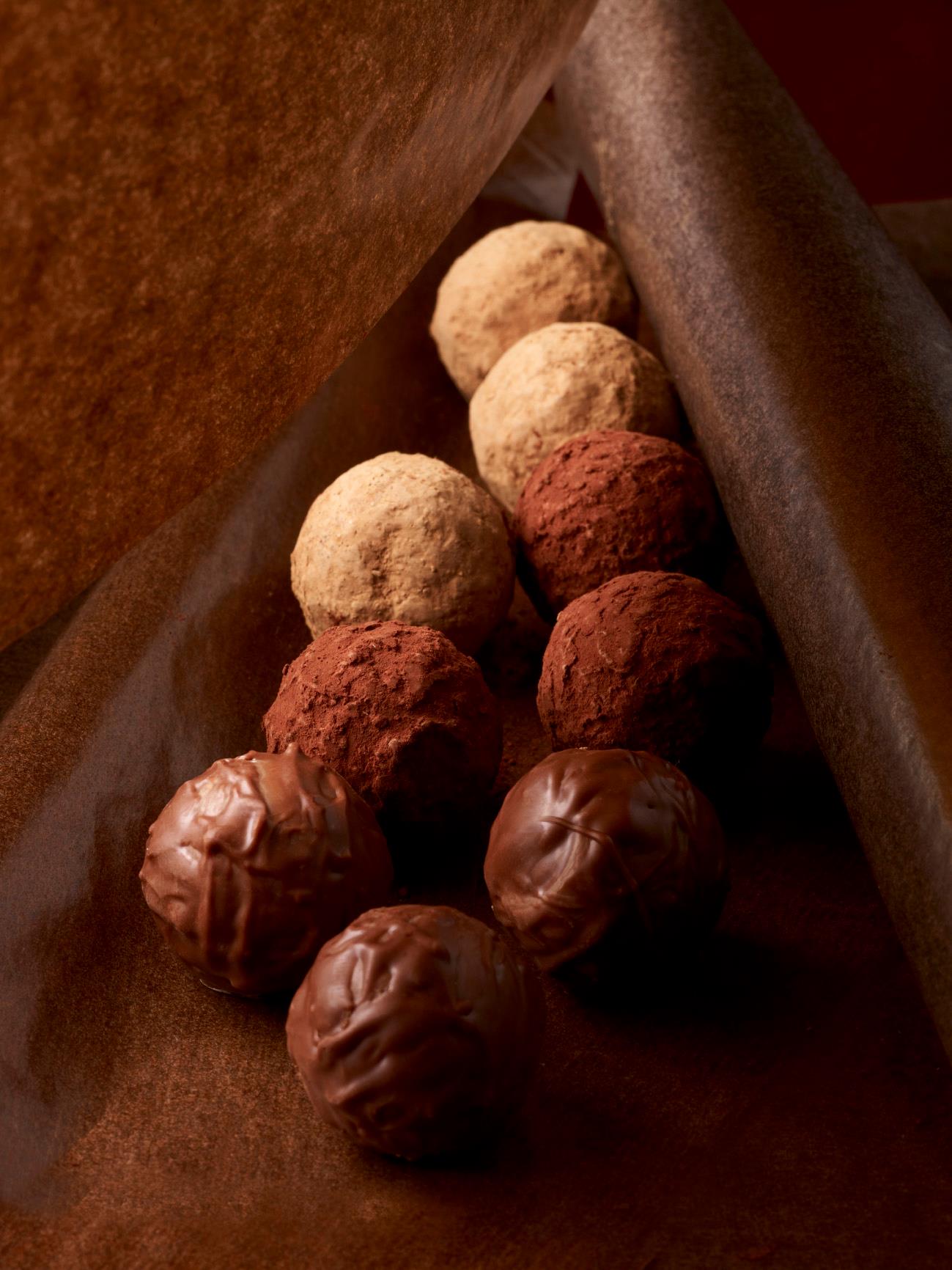
Oh, chocolate truffles… wonderful delights! … Do not  be foolish by their hard chocolate exterior  as their creamy interior will melt your heart and soul with each taste.

What a remarkable day, during the 1920s, when in the kitchen of the famed French culinary artisan: Auguste Escoffier, the chocolate truffle was born. As the books recorded, one of his apprentice who was following his daily kitchen routine of making pastry cream, accidentally poured the hot cream into a bowl of chocolate chunks rather than the bowl of sugared eggs. As he realized the chocolate and cream mixture hardened allowing him to work the chocolate paste, he started forming a bumpy ball to not waste the precious chocolate. Then, for an extra touch, he rolled his new creation in cocoa powder. This curious apprentice was so shock by their resemblance to the mushroom-like truffles of the French countryside that he called them: Chocolate truffles!

From that time on, chocolate truffles, are one of the most irresistible treats with impressive taste and fancy looks enjoyed by all ages.

Why not celebrate this accidental truffle birth by gathering your family and friends around the kitchen and making some?. They are so easy to prepare. Have fun and do not be afraid of making any mistake!

CHOCOLATE TRUFFLES

Ingredients

250 grams of bittersweet chocolate (I personally prefer Valrhona Guanaja 70%)*

1/2 vanilla pod

100 grams of heavy cream

80 grams of honey

50 grams of unsalted butter at room temperature

200 grams of bittersweet chocolate, for dipping

80 grams of cocoa powder

Procedure

1.- Finely chop the chocolate

2.- Open the vanilla pod in the half and scrape the seeds into a saucepan with the cream and honey

3.- Boil up the cream mixture and pour it over the chopped chocolate. Mix well until an even paste and add the butter. Cover with plastic wrap. Leave to cool at room temperature until firm

4.- Make balls about 1 inch in diameter. Place them in a tray lined with parchment paper. Leave in the refrigerator to stiffen

5.- Roll each chocolate truffle in cocoa powder. Leave them to dry for 1 hour

6.- Temper the rest of the bittersweet chocolate reserved for dipping. Place a small amount of tempered chocolate in your hands enough to roll the balls covering them very well

7.- Finally, roll the balls again in cocoa powder. Put them in a sieve and gently shake off any excess of cocoa powder

Vivre le macaron!

When it comes to choose my favorites sweet indulges, “le macarons” are on top of the list. Let’s be honest, who can resist to this wonderful “small round cake with almonds”, described by  Francois Rabelais, a gourmet writer who first mentioned the macaroon in 1552 in the Quart Livre

IMG_1580

Introduced by Catherine de Médicis’ Chefs, this delicacy’s origins are Mediterranean, probably by the region of Andalusia in Spain. By 1492, before the expulsion of the Jews, food eaten had to be flourless and unleavened. Voila!, le macaron was the perfect answer to those restrictions.
This “cake of the blessed” as the Greeks used to call them, was introduced to France as a petit four and was quickly spread. By 1864 they were still biscuits made of almonds, egg whites and sugar. Soon the time of glory will take place by the skillful hand of the talented Louis-Ernest Ladureé, who revolutionised the macaroon.

Coffee, chocolate, vanilla and raspberry were the common flavors used for these petit fours with a fruity or creamy filling presented in gorgeous boxes signed by famous designers like: Sonia Rykiel and Anna Sui. Later on, Pierre Hermé who first started at Ladureé and then open his own pastry empire, reworked this classic with new tempting flavors and fillings, like the latest creation of this author: “the ketchup macaroon”

With no doubts, the macaroons are a signature of fine baking worthy to have a marked day in the calendar as “The Day of the Macaroon” stablished by Pierre Hermé by 2006. Who can resist to them? just a bite to this delicacy is enough to be enchanted.

Now that you know a little bit more about these wonderful delicacies, in case I inspired you enough to make them, here goes the recipe. Let’s get baking!

RASPBERRY MACAROONS

  • Before you get started in this challenged business of making macaroons, it is very important to follow these tips during the recipe process for optimum results:
  • Only use fresh egg whites that were clarified on the previous day. Take them out of the fridge at least 2 hours before preparing the macaroons
  • Choose the best quality of fine white almond powder. Always sift the almond powder and weigh it again after it
  • Sift the confectioners’ sugar in order to be very fine

Ingredients

200 grams of egg whites

50 grams of  granulated sugar

1 teaspoon of fresh lemon juice

5 drops of pink food coloring

450 grams of sifted confectioners’ sugar

250 grams of white almond powder

A pinch of salt

200 grams of raspberry jam

Procedure

1.- In a bowl of an electric mixer, whisk the egg whites with the granulated sugar, the salt, the fresh lemon juice and the food coloring until very stiff peaks. Pour the sifted confectioners’ sugar and almond powder over the whisked egg whites. Stir with a spatula until the macaroon batter is homogeneous, smoother and shinier. Be careful to not deflate the batter too much as the macaroons will lose their round shape when piping

2.- Prepare a clean pastry bag with a small round pastry tip. Fill it with the macaroon paste. On a silicone baking sheet placed on an oven tray, shape into balls of 1 to 1-1/2 inch of diameter, for petits-fours macaroons. Lightly tap on the back of the oven tray to help the paste to spread smoothly. Let the piped macaroons dried at room temperature for 20 to 30 minutes. Tip: slightly touch the surface of the macaroon to prove if they are dried

3.- Bake the macaroons in a preheat oven at 300˚ F for 10 minutes.

4.- Allow the macaroons to cool before removing them from the silicone baking sheet.

5.- Garnish the macaroons with raspberry jam and then stick them together in twos.

blog pic-raspberry laduree macaron

A waited trip to Buenos Aires…

At JFK airport again, and this time with Buenos Aires, Argentina as my destination. Last time I was there was more than five years ago and I am so excited to come back to see this wonderful city which had been chosen for many Italians and Spaniards as their second home. With that in mind, you can imagine how rich is its culture and gastronomy. From their famous “asados con chimichurri” (barbecue) to their artisan fresh pastas, pizzas, sweet pastries and their flavorful “Spaniard paellas”, Buenos Aires has it all!

Come on, let’s go!

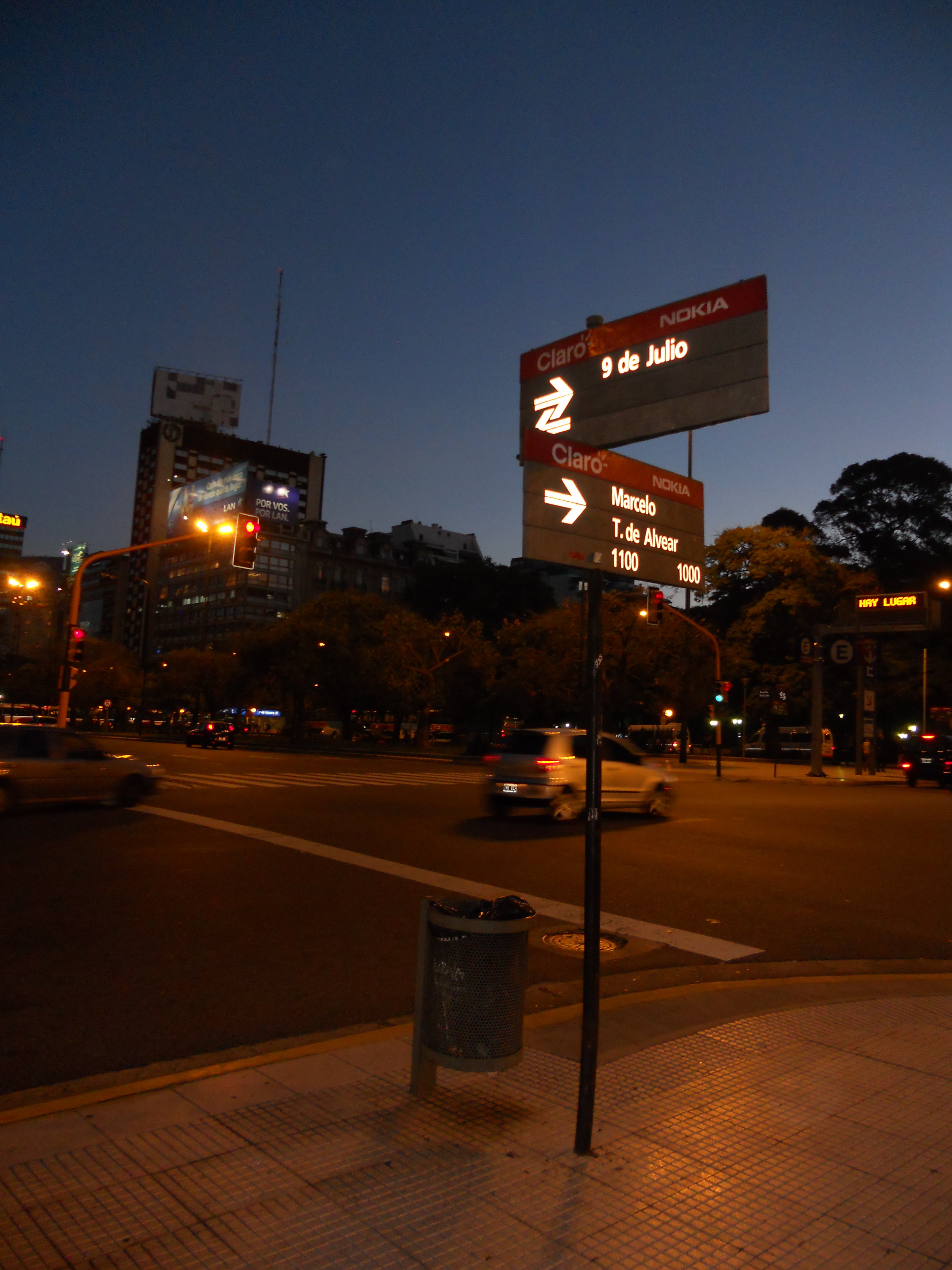
Arriving to Buenos Aires, I see this fantastic view from “El Obelisco” at the widest avenue from the world called “Avenida 9 de Julio” (9th of July Avenue)

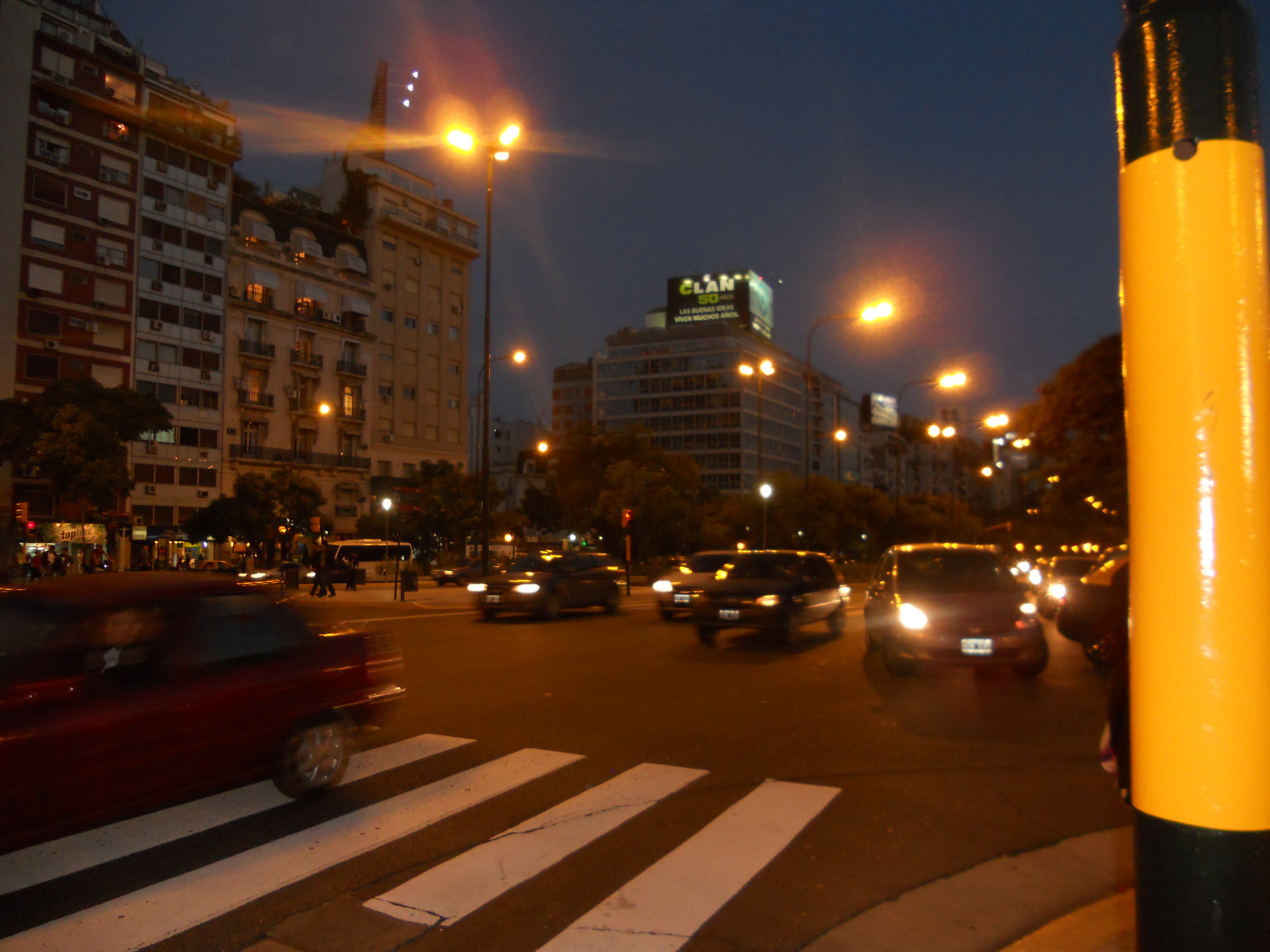
At night the magic of this City shines in the busy streets. Porteños (popular name given to the Buenos Aires residents) always find time to enjoy good food with friends and family at local cafés and restaurants

One dish that it is a must to try while in Argentina is “milanesa a la napolitana” (breaded veal with cheese and tomato sauce). Argentinian meat is known for its high quality and it is used in many traditional dishes like this one

If you just want a snack with your coffee or “cortadito” these ham and cheese melted in toasted white bread called “tostados” are the best option

At the time the cravings are calling for something sweet, no problema! These “alfajores de dulce de leche” (soft cookies filled with caramel and cover with white and dark chocolate) are the solution. Better paired with a “submarino” (hot chocolate)

Best at day time “Caminito” in the neighbourhood called “La Boca” is the place to visit. This is a traditional museum street full of art, life and history. In 1926, it was the inspiration for Juan De Dios Filiberto, who composed the famous tango named after this place. It is a must visit for tourists and locals

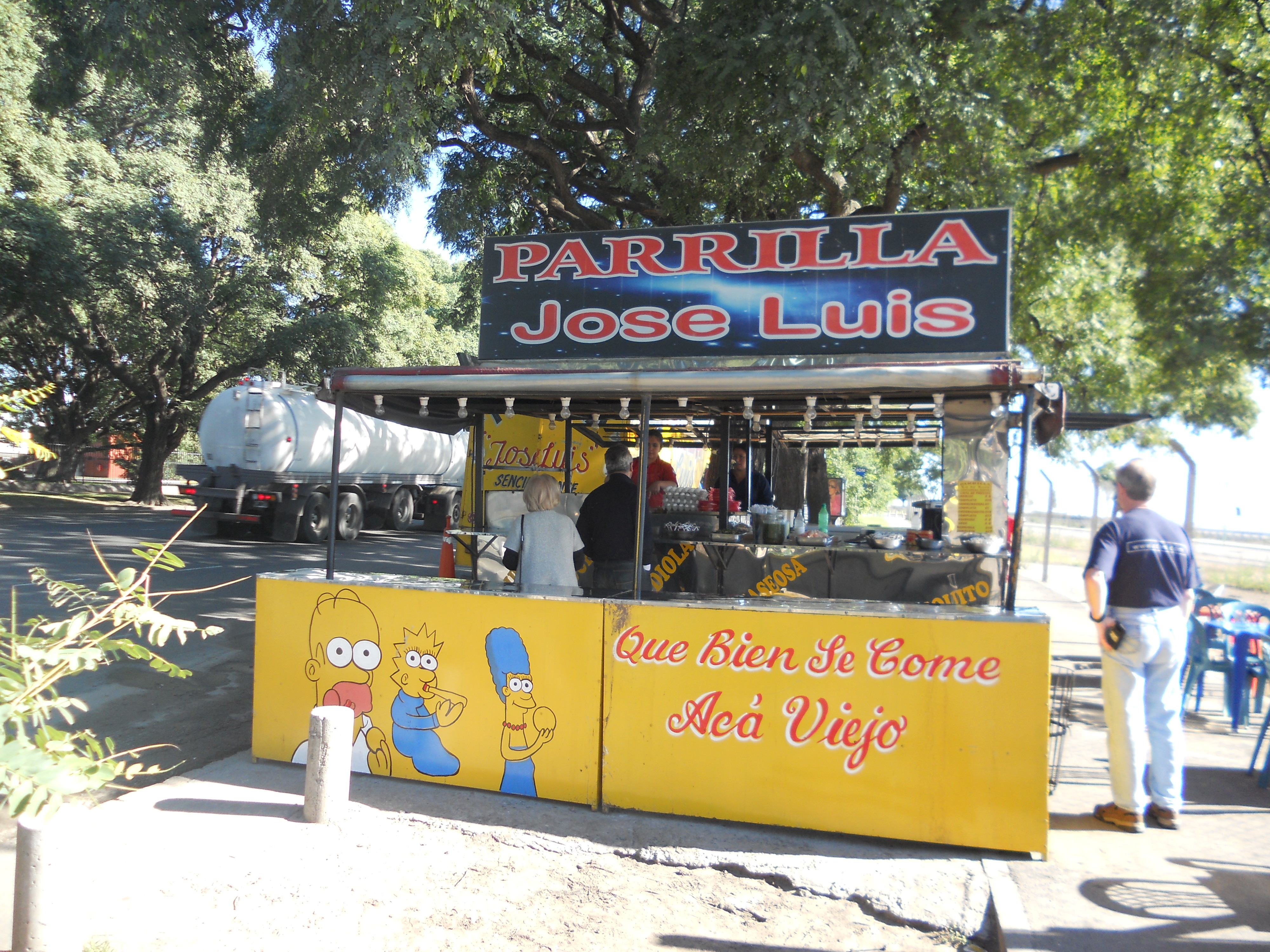
At “La Costanera” is very tipical to find lot of food trucks or stands, “puestos de comida”, that sells from barbecue with traditional sauce called “chimichurri”, “empanadas” (meat pastry turnovers), “choripán” (sausage sandwich) and more. I loved this particular food truck because of the sign painted in front of the truck: “To God I bless to my death, Argentinian to the end”…

Another food stand by “La Costanera” in the city of Buenos Aires…

Some views from “La Costanera” by “Río de la Plata” riverside. Ideal waterfront side to go for a walk, run or bike

Following the advice of my hotel concierge I decided to visit “Estancia La Cinacina” (country house La Cinacina) in the suburbs of San Antonio de Areco to enjoy “la Fiesta Gaucha” (The gaucho party), a whole day spent away of the city life and immersed in the “gaucho culture”, with traditional dances, popular music or “folklore” (folk music) and of course, great food. First stop was at “la pulperia” (the tavern) where we got some drinks and snacks (pan con salame) before the barbecue called “Argentinian asado”

Inside “la pulpería” of “estancia La Cinacina” where they served us some refreshments

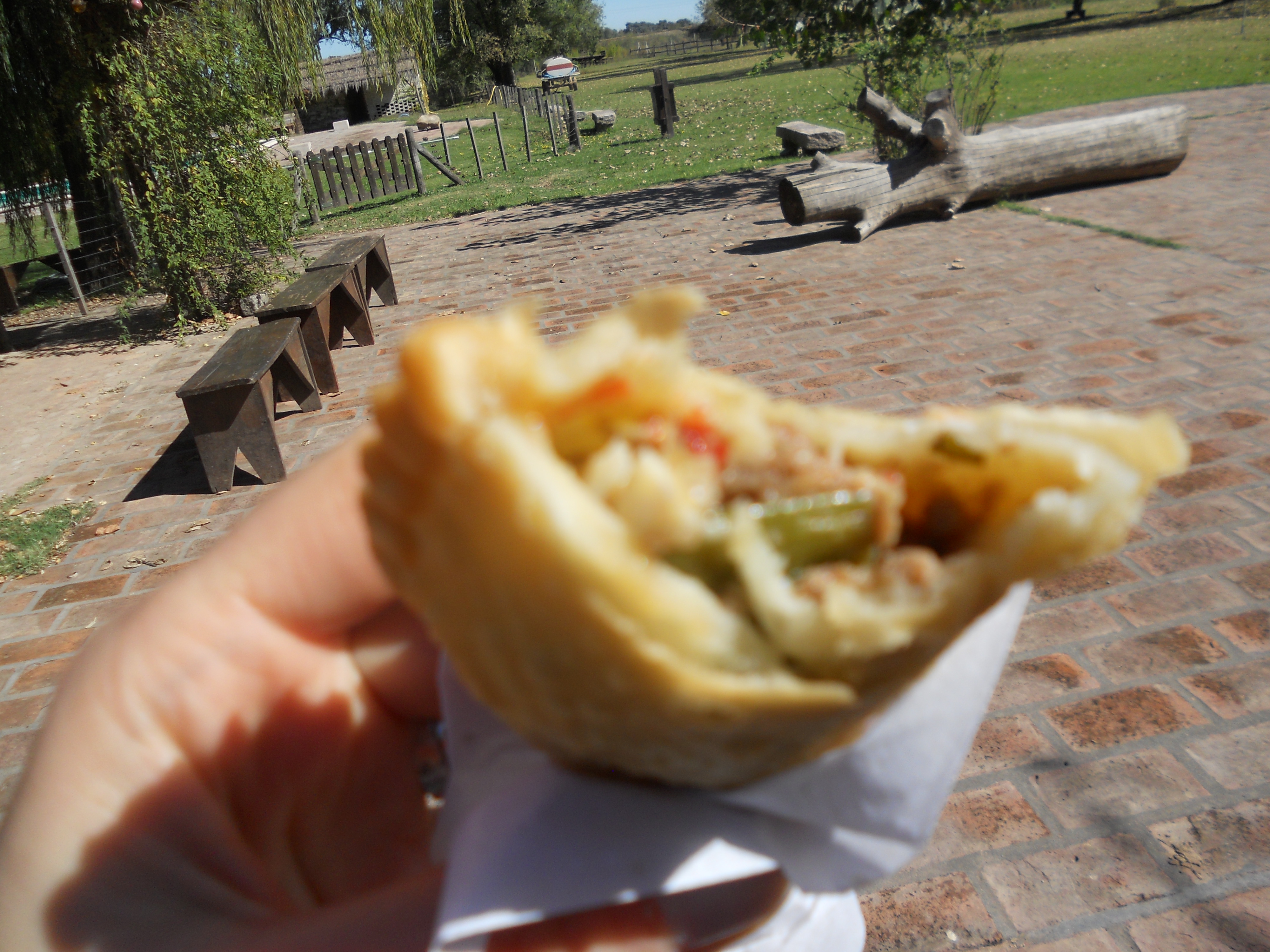
The moment I was waiting for! that bite to this “empanada” (meat turnover) was memorable

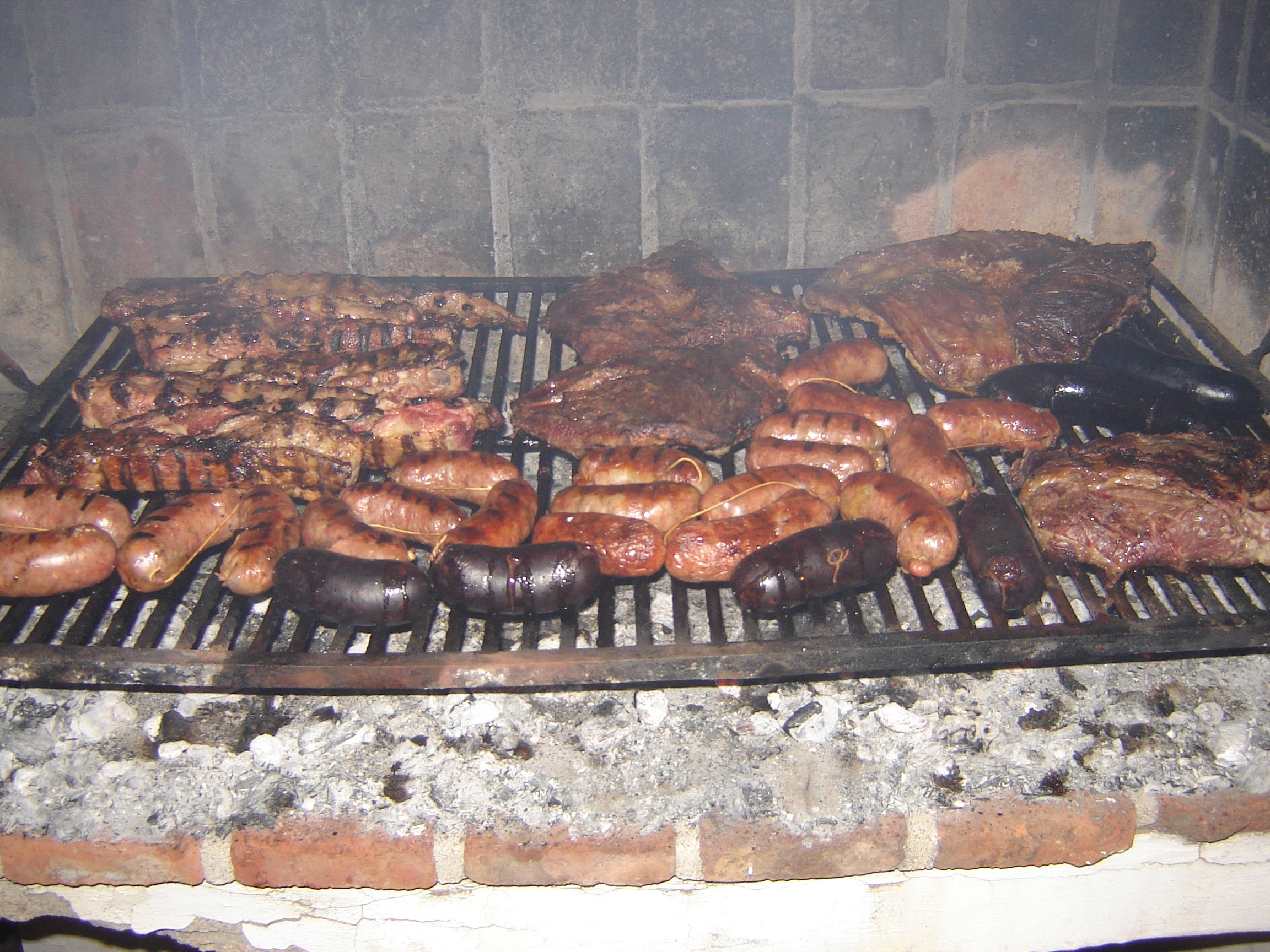
Almost lunch time… the “parrillada”  (Argentinian barbecue) is waiting for us!

steaks, blood sausages (“morcillas”), pork sausages (“chorizo”) and much more…

More meat being cooked in the Argentinian traditional way (parrillas”)

The table had been set up. It’s lunch time!

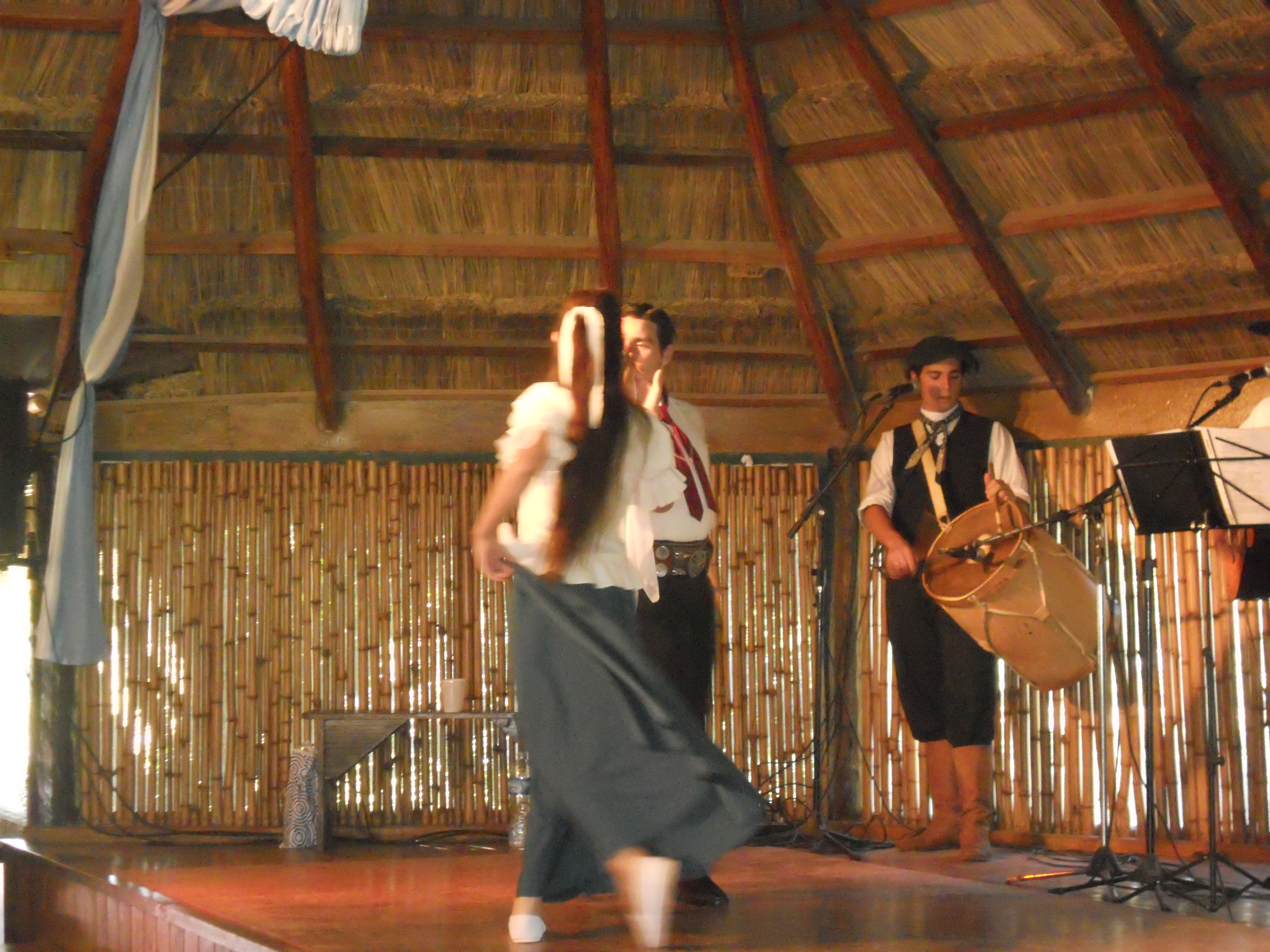
Watching the show of traditional dances while we had lunch at “La Cinacina”

El “chino y la china” dancing traditional folk dances or “folklore Argentino”

Time for the horse riding show!

So much connection and understanding between the horse and the “gaucho” that was showed during each part of the show

the gaucho with his“boleadoras”: these are used by the gauchos to bring down wayward calves. They are the gaucho equivalent of a lariat and consist of three hard balls made of stone or wood covered with leather thongs and attached to long ropes

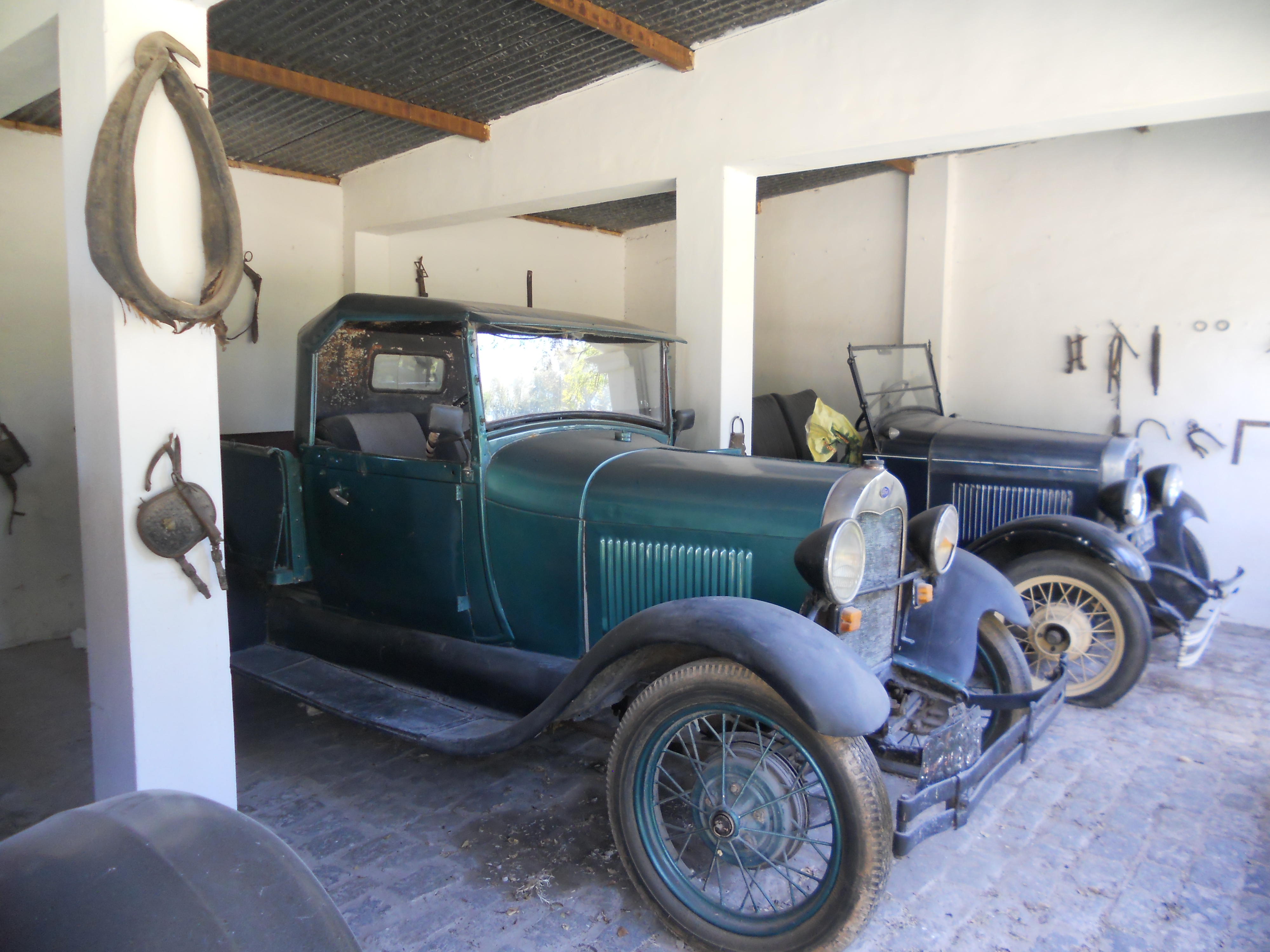
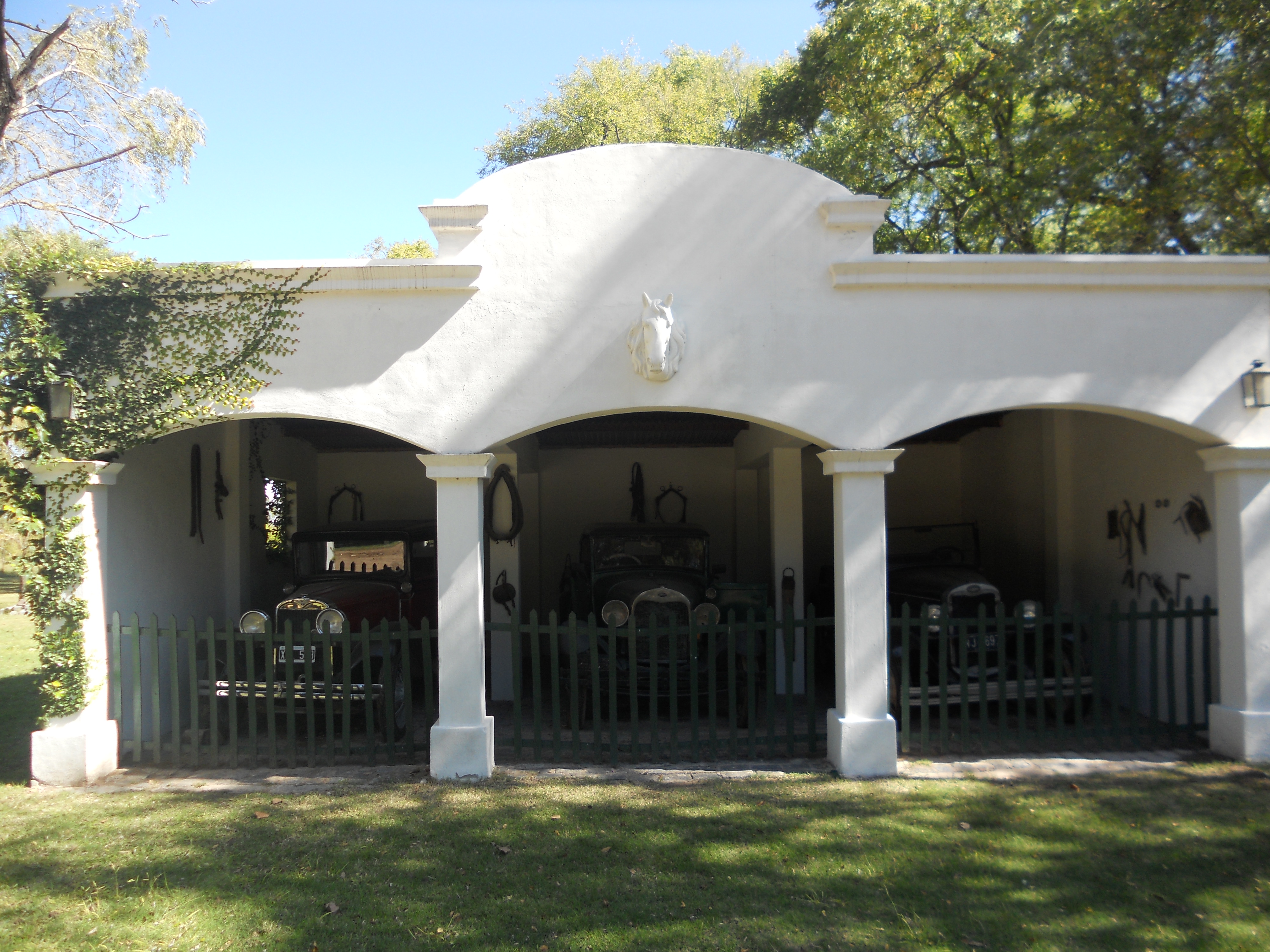
Antique cars at “Estancia La Cinacina”

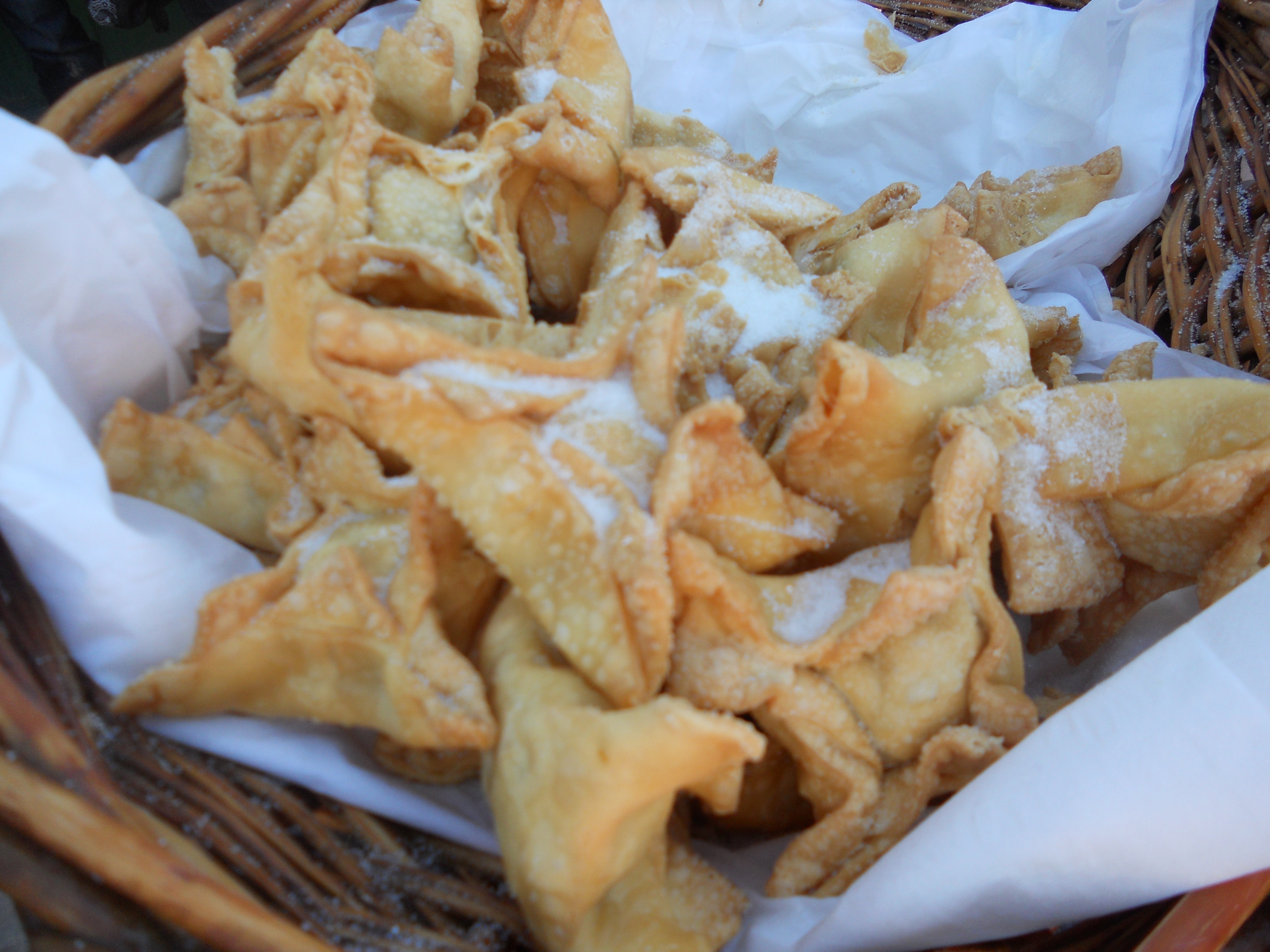
Time for a snack: “pastelitos con dulce de membrillo” (sweet fried pastry dough filled with quince paste) after the horse riding show…

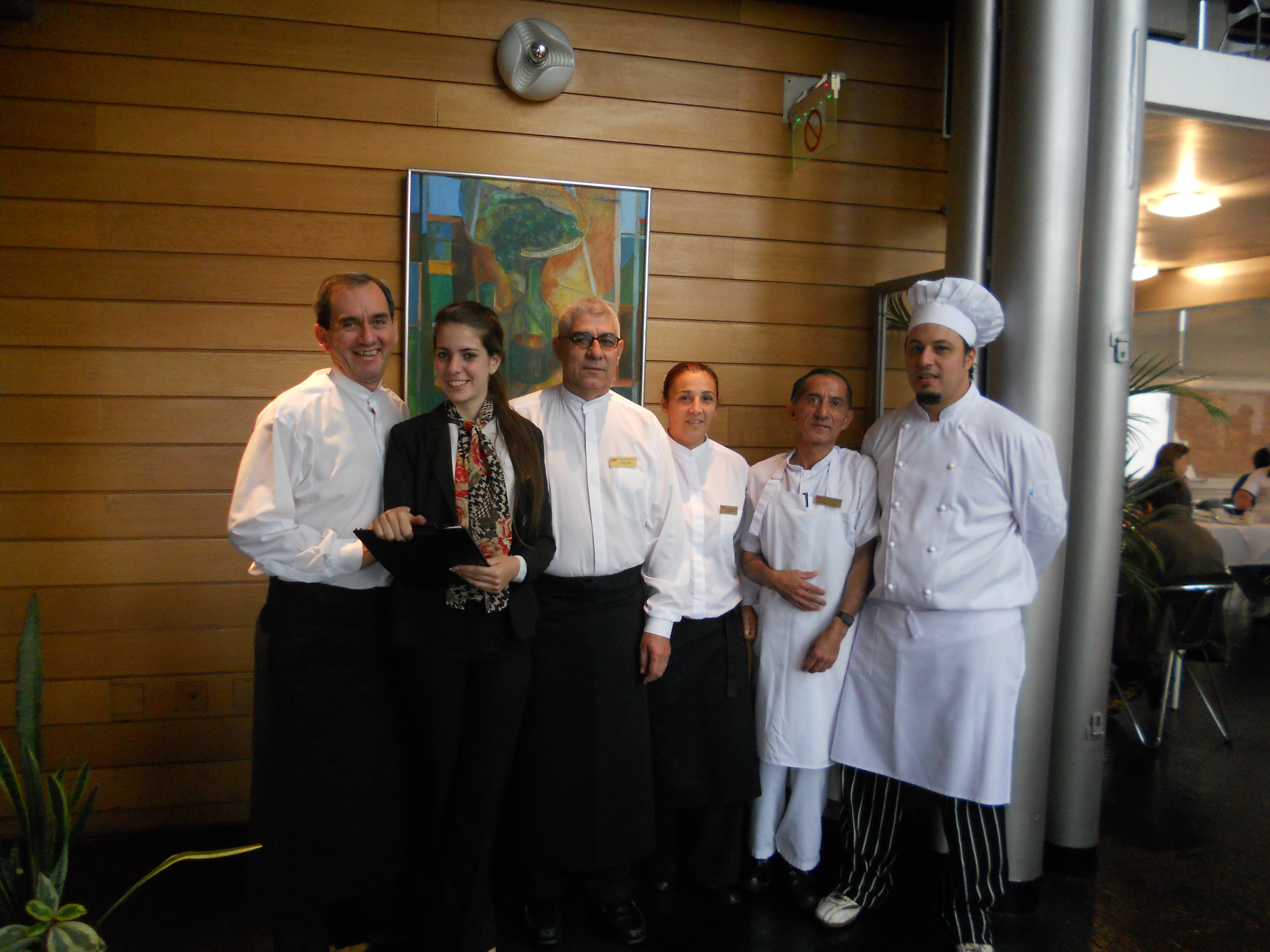
I had a great time in Buenos Aires. Thanks to the wonderful staff at “El Conquistador Hotel” for their hospitality and welcome. Nos vemos pronto!

Costa Rica: a small country, rich in culture and charm

As I peek through the airplane window and see the ocean my heart is pounding. I know that now I am closer to one of my favorites countries to visit: Costa Rica. Yes, a small country always compared in size with the city of Vermont (USA) but so rich in culture, charm and nice people. The first time I visited this “Central American jewel” was almost six years ago; since then, I fall in love with its people, weather (remember that I live in New York State…) and landscapes. You should add this nice country to your wish list. Believe me when I say that you will not regret it!

Costa Rica is in the horizon!

After  my flight from New York City to San José, Costa Rica, it  was wonderful to get to my hotel: “Don Carlos”. This was my first time staying in the city and this hotel was an excellent choice.

I will give you a travel tip here that always work good for me: At the time of choosing your hotel or residence to stay for your vacation or holiday getaway, always consider the ones that are true to the traditions, culture and history of the country they belong. This is the best way to get to know its people and have the chance to be part of  their world

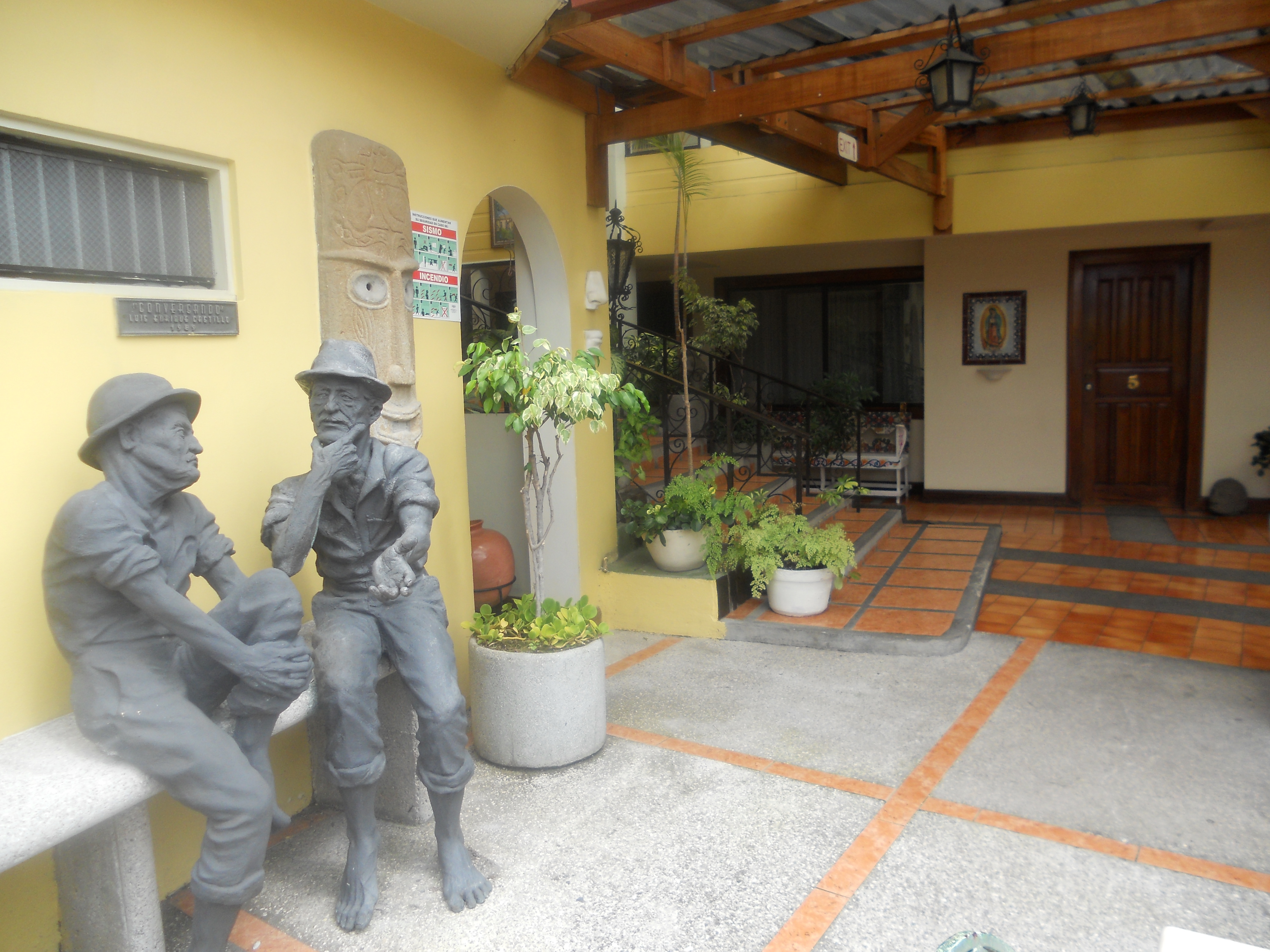
Pay attention to the details of the view of the first floor of “Hotel Don Carlos”. As I used to walk around the hotel my eyes were delighted because of the original art pieces that decorated each room. A whole museum inside the hotel!

This ox cart-wheel that decorated one of the hotel walls was made in 1820

So much charm in each floor of this hotel! Look at the lovely balconies… so romantic as well…

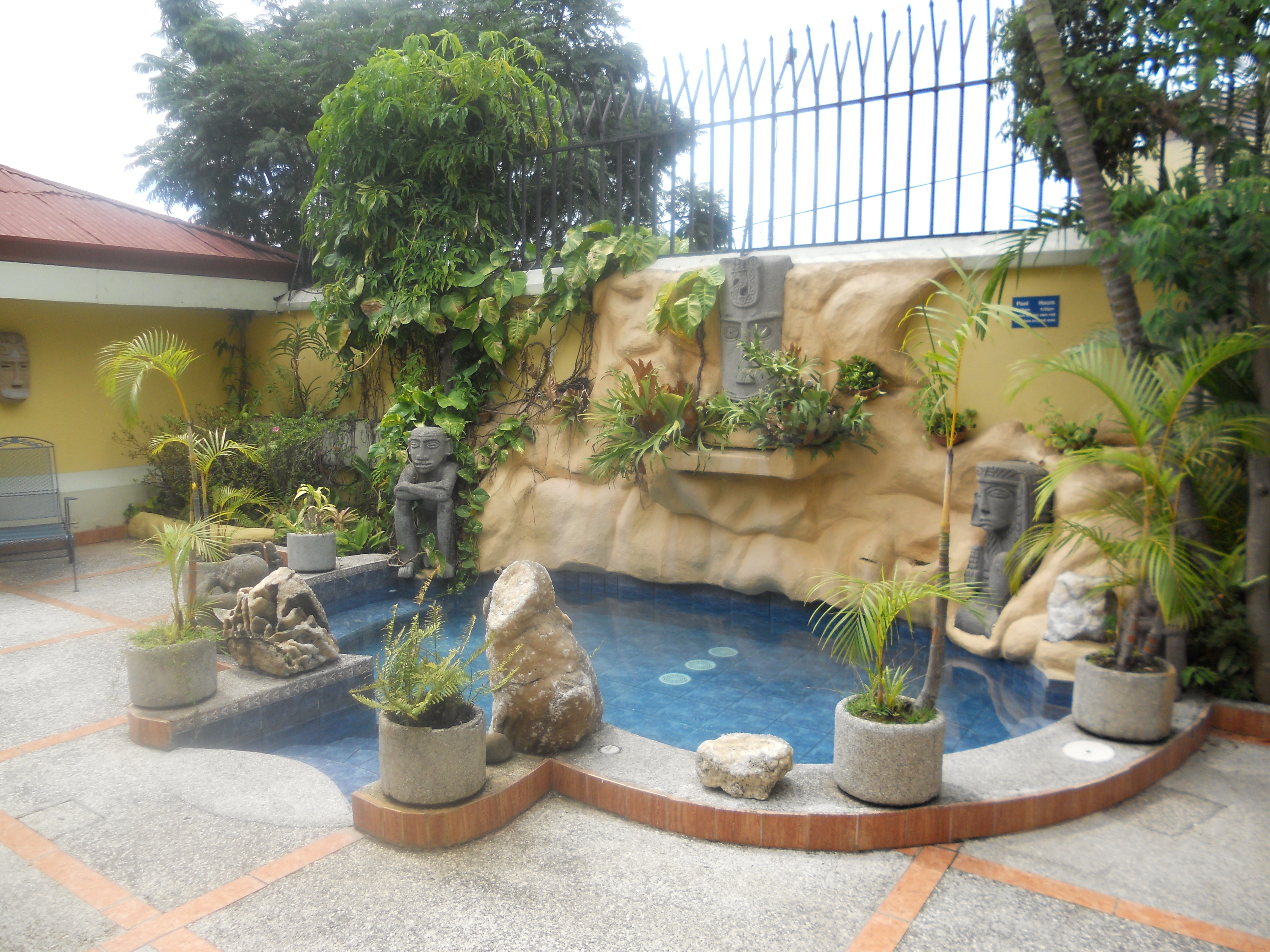
Nice jacuzzi area where I spent most of my early mornings and late nights after touring the country sides… hey, a girl has to have some luxury time too!

These lovely ladies from the “Hotel Don Carlos souvenir shop”, helped me so much in getting to know the city and they show me how to get to my tour destinations. Always ready to help me while sharing a nice cup of coffee in the mornings!

Special thanks to all the staff from “Hotel Don Carlos” that made me feel like at home during all my stay. And thank you as well for letting me use their kitchen.. In the middle of my time there I was “kitchen sick” so much that I had to ask permission to use their restaurant kitchen and let me cook for a day!

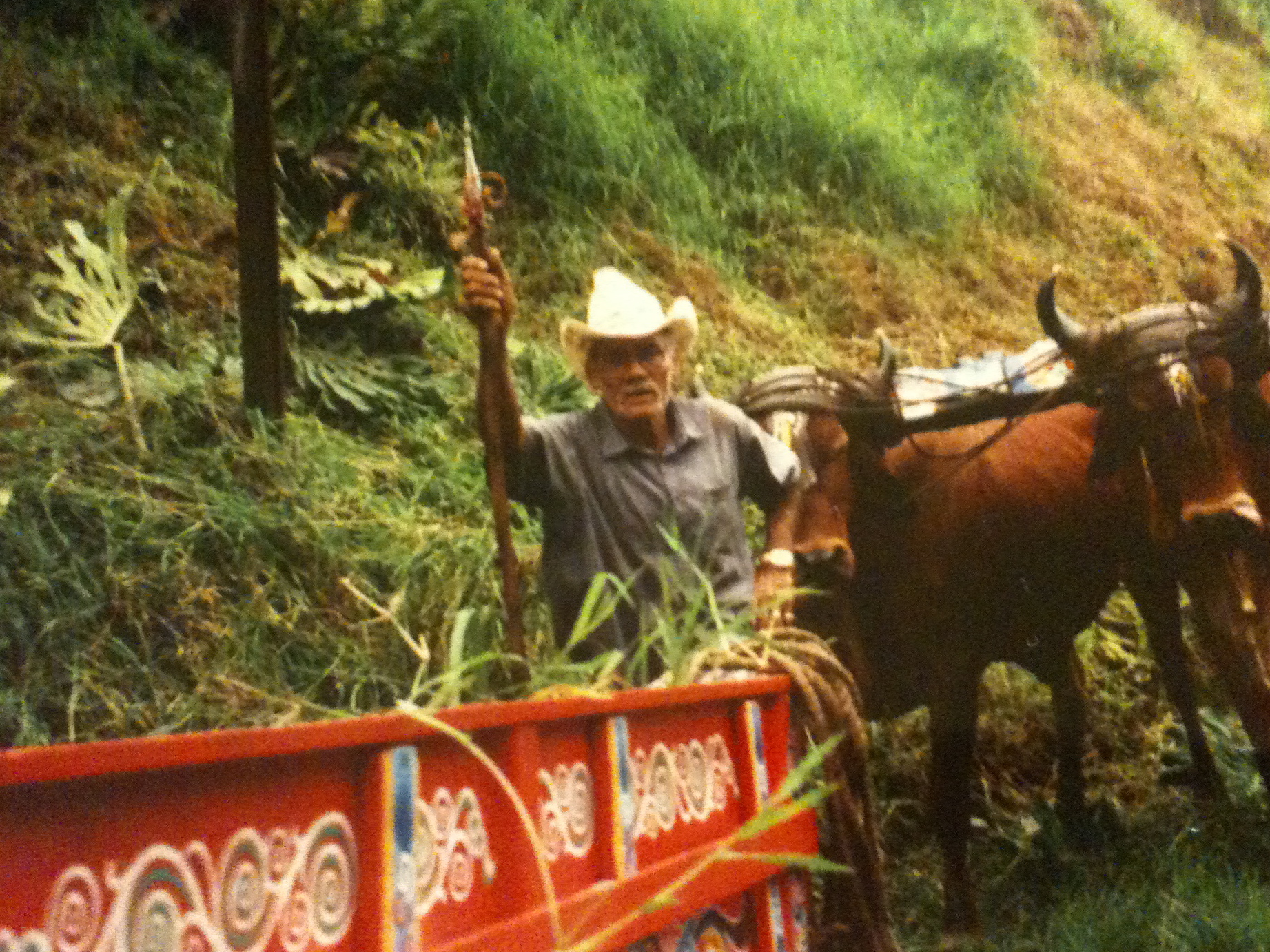
Let me introduce you to “Señor Juan” who stopped us in our way up to the mountains to see the volcano “Irazu” to take him a picture!. Que lindo!

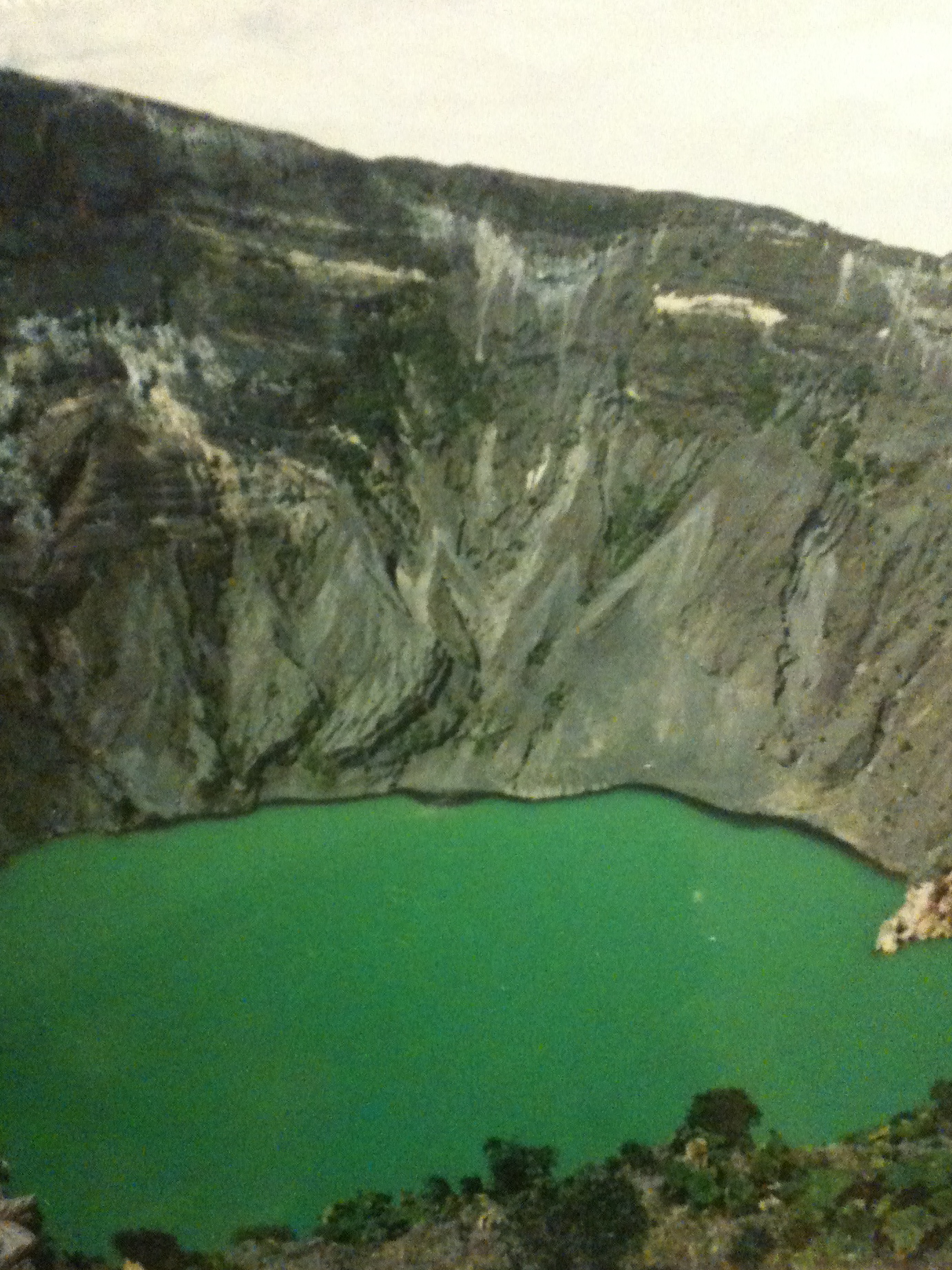
Costa Rica has nine volcanos and this is my favorite one: the stunning “Volcán Irazú” (Irazú volcano). I love the color of the water that is achieved by the combinations of the lava and the mineral and chemicals from the soil. Words are not enough to describe the moment I first saw it. Actually, I was speechless after seeing it, really!

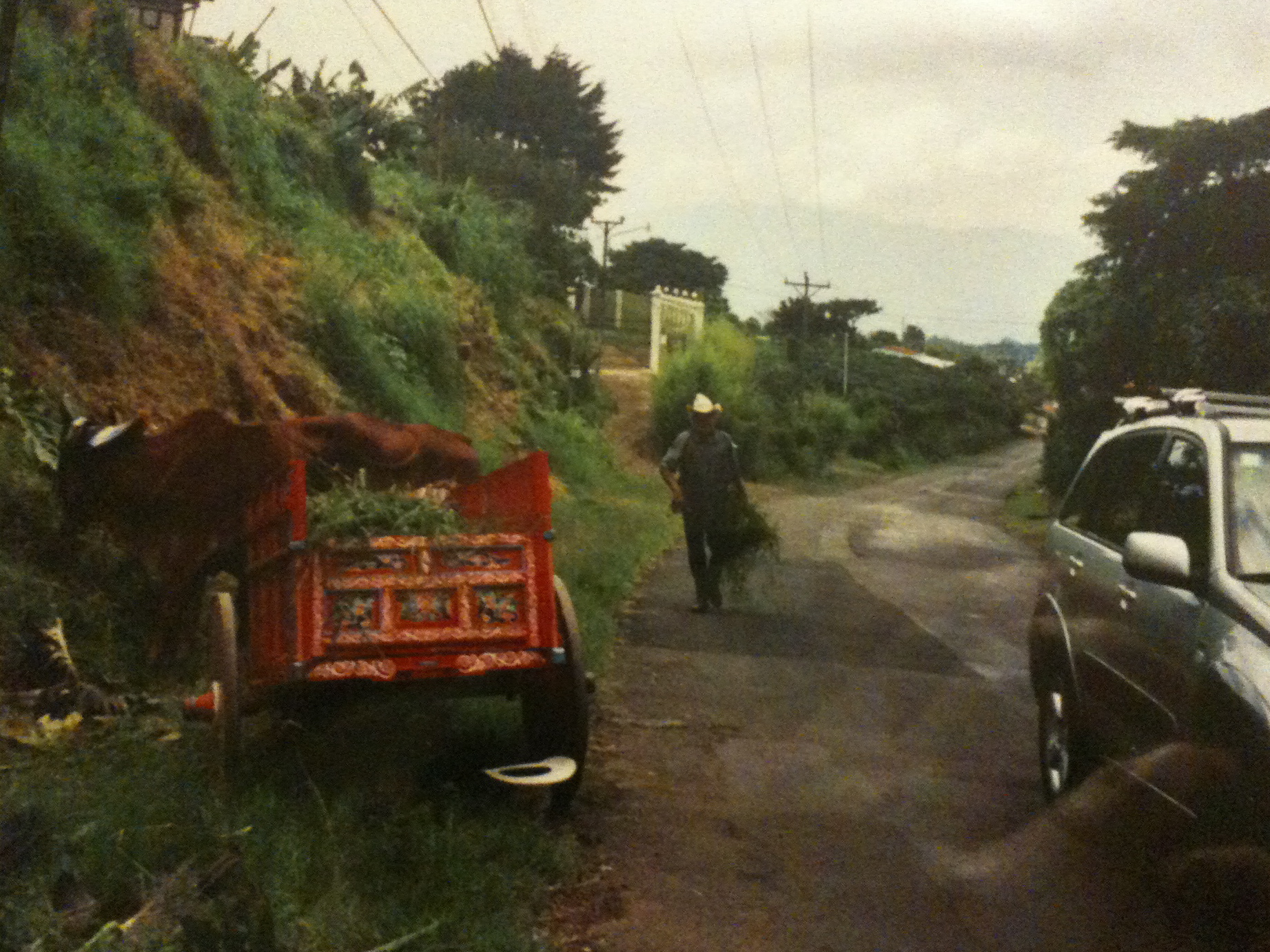
As we drove all the way down the mountains after our visit to the “Volcán Irazú” we were stopped by these lovely kids and their cow. A reminder to not to drive so fast in the country side …

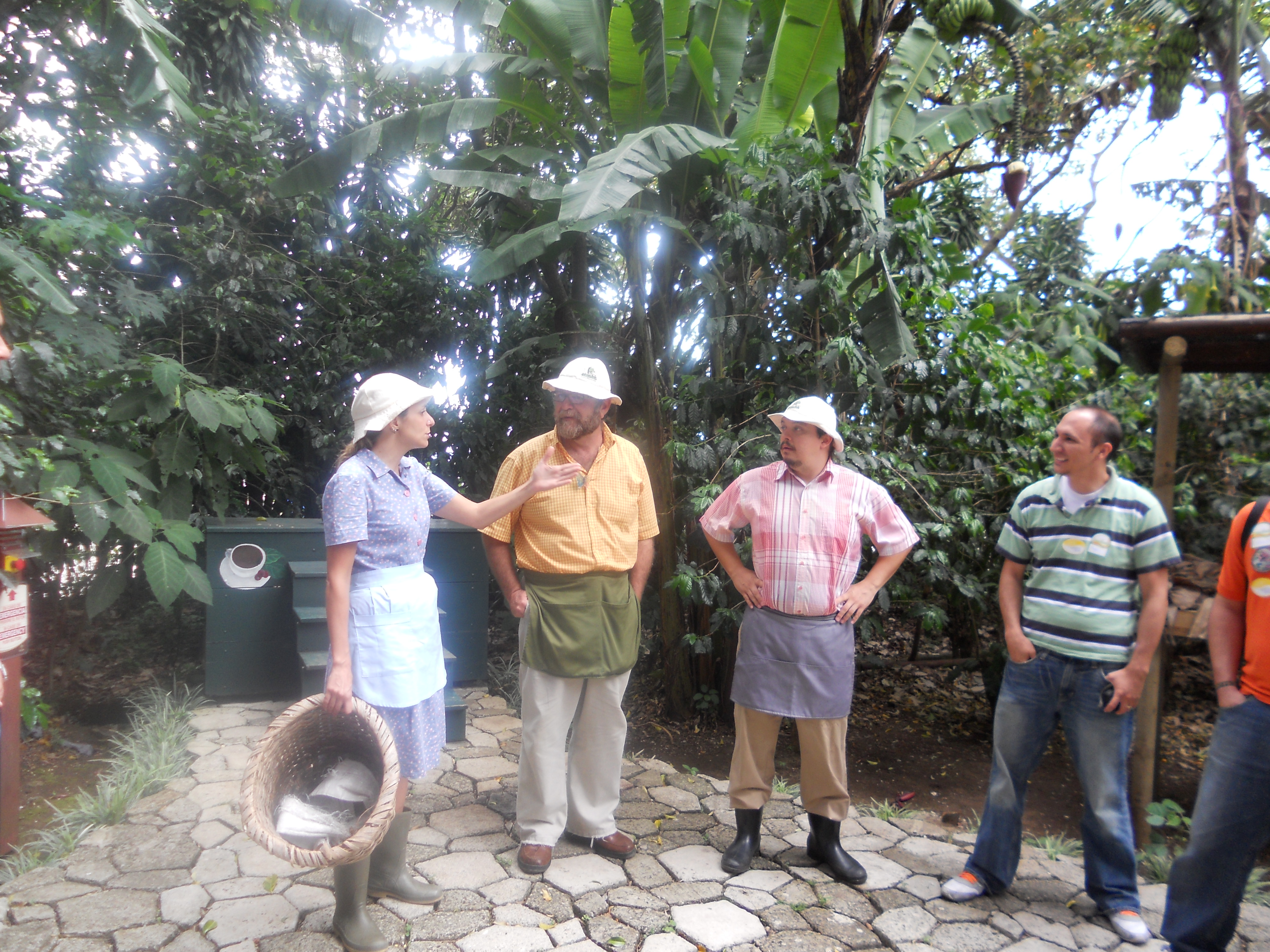
Costa Rica is well-known for its coffee plantations. The quality of its coffee is welcomed around the world and if you look closely to the label of your coffee tin at home, you will not be surprised to find the participation of Costa Rican coffee beans in the mix. So, after visiting the volcano, I decided that it was a good time to join the Coffee Tour at “the Coffee Britt plantations”

Pedro,from “the Coffee Britt tour”, showed and explained us the early stages of the coffee production and how they would be preserved along the way

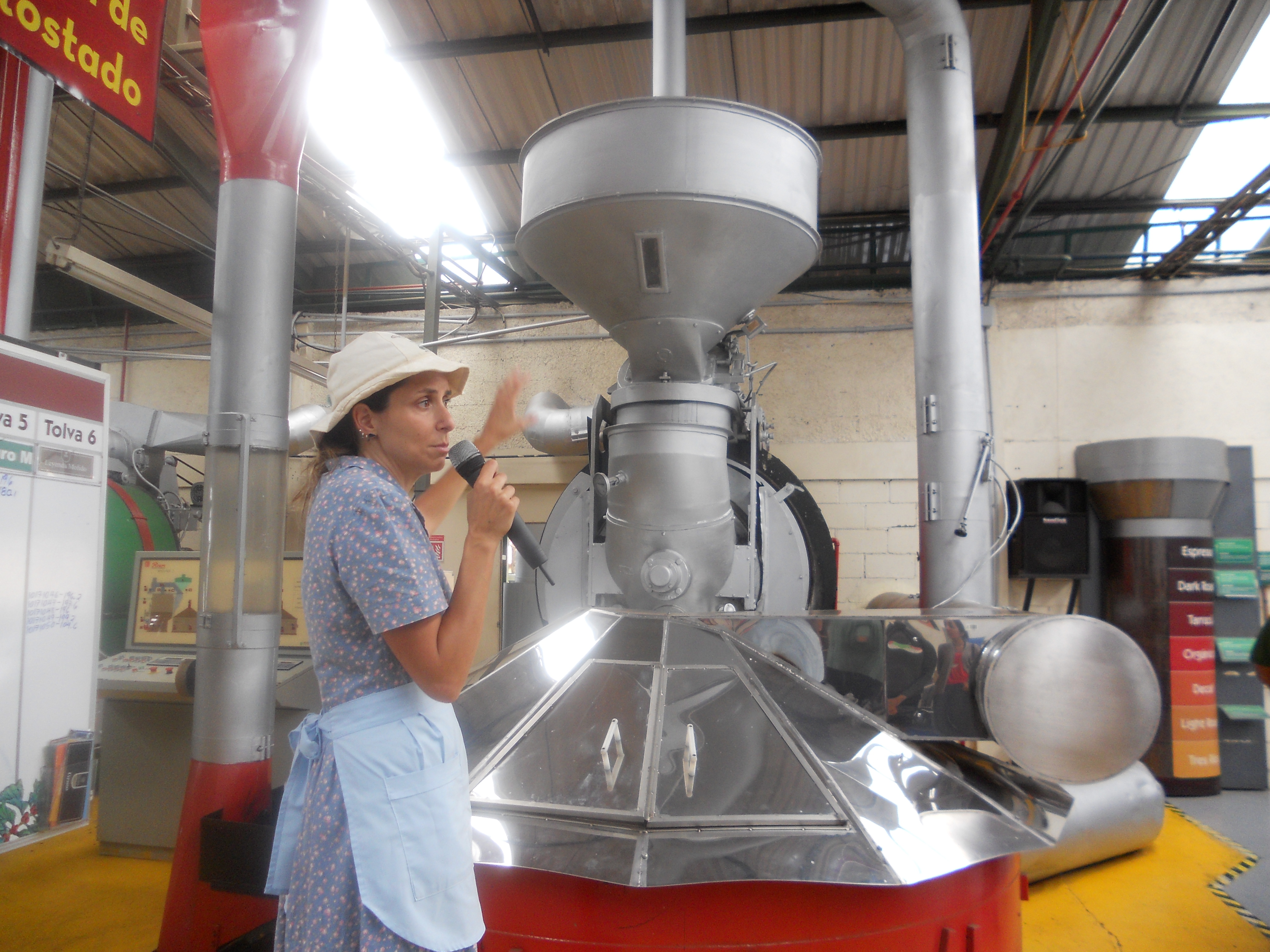
Lucía, another tour guide, explained us how the coffee beans were selected and  roasted

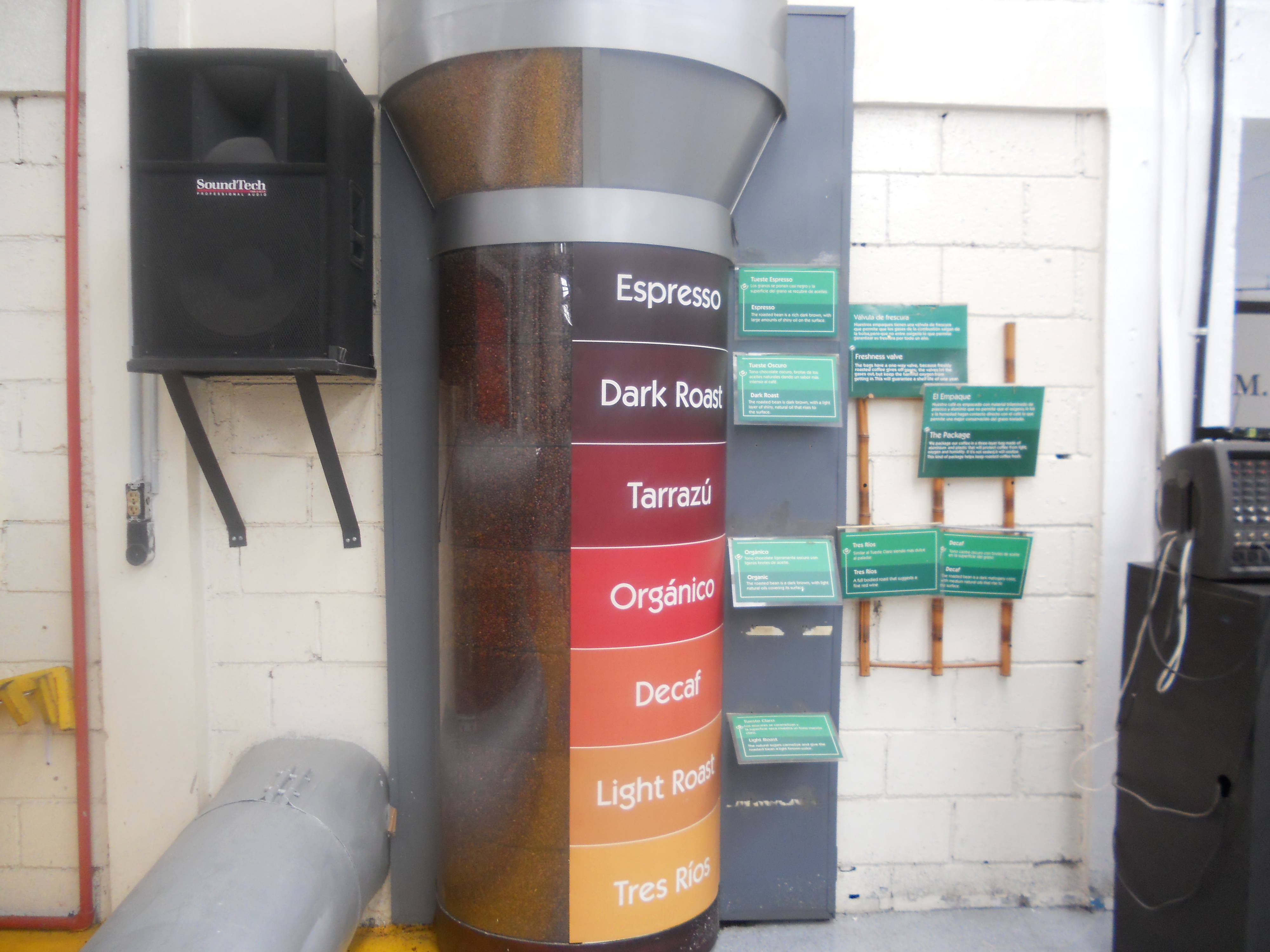
This tubular container shows the different types of coffee. As you can see by the difference of intensity in the colors from the labels in the container, less roasting time means a lighter coffee in flavor, aroma and taste

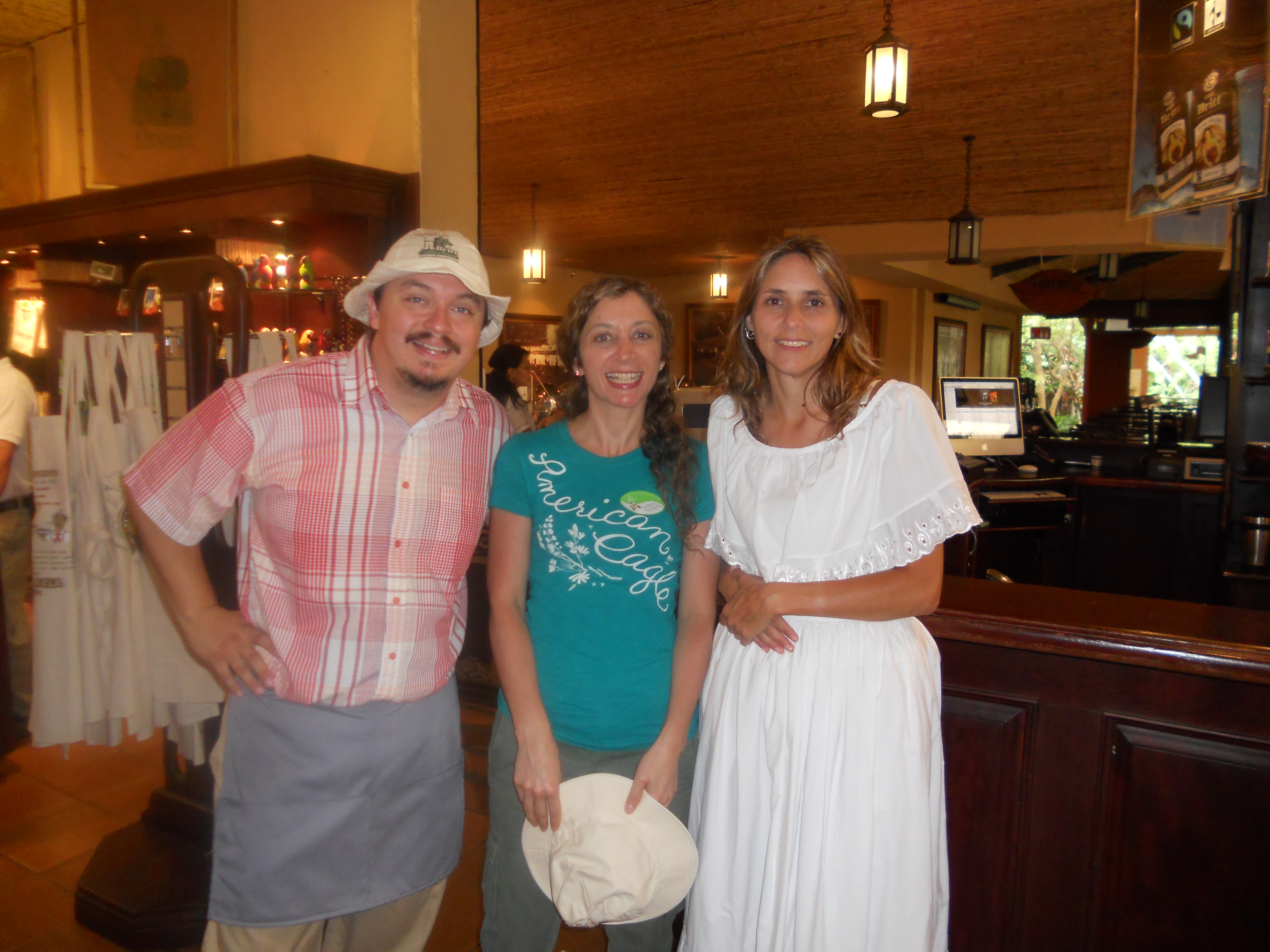
thank you so much to my friends at  “Coffee Britt Tour”!

After a long day of touring the country what best than a “siesta time” in this colorful hammock! Forget about water beds and all that stuff, these hammocks are the most comfortable way to sleep and rest ever! Hasta la vista amigos…

For the love of food!

As you read this blog and get to know me, it will be easy for you to notice that there are two things that I like most. Yes, you have guessed: traveling (speacially if it involves going on a plane) and food, particularly, cooking and sharing it. Let’s face it, we all love food! (I did not find anybody who does not like it yet and I have the feeling that I will never do)…

But, do you ever asked yourself why we love food so much?, besides the fact that our bodies need food to fuction, what is beyond food?. As James Beard used to say: “Food is our common ground, a universal experience”. So, it is true than no matter who we are or where we live, all life revolves around food. Yet food is more than the sustenance we need to stay alive; food is part of which we are, part of our culture and tradition.

I got to the conclusion that food has the power to create relationships that brings moments of togetherness. My best memories of time spent with those who I love are around food. It is through food that we can express ourselves; through food we celebrate life and passing of time. No matter where we are from, how we cook, or what we enjoy, food always enriches our lives everyday!

It is my desire, as I start my culinary adventure around some of the most fascinating places in the world, that you will join me to celebrate together the power of food, the culture and people that evolves  around it. And, remember that you do not always have to go far to begin your own culinary adventure. It can start right there where you are by just discovering and sharing the food around you with those you love…