Umm Chocolate!

Before arriving to Barcelona I heard about the CHOCOLATE-addiction that the Catalan citizens have. I honestly thought that it was just a cliché. Wrong!!!! (with buzz included). If you come to Barcelona you will find almost impossible to scape from this catchy addiction or chocolate therapy, as I like to call it. And if you are wondering If I have become a victim of this sweet addiction, you got the right answer: Si!!!!!!  More than ever, I am crazy about chocolate!

As I said before, Barcelona, can not live without their “xocolata” (catalan word for chocolate). It is no coincidence that for centuries the city’s port was one of the main gateways to Europe of cocoa from America. Quickly it became the fashionable drink among nobles and aristocrats and absolutely essential in the high-standing meetings. Chocolate was good for everyone, specially to those notable families of the Catalan bourgeoisie, who made their fortunes at the end of the 19th century with the cocoa trade from the overseas colonies and its later transformation into chocolate

From their delicious hot chocolate with whipped cream, known as “a suís” (Swiss), typically paired with fried sweet dough called “churros”, served in most cafés and chocolate shops around the city, to the magnific chocolate show pieces and figures traditionally given to the kids by their godparents on Easter Monday  called “Monas de Pascua”, made by well-known Pastry Chefs and Chocolatiers like Escribá, Oriol Balaguer, Baixas family and Enric Rovira, Barcelona is truly devoted to their chocolate!

Chocolate is an important ingredient of Catalan cuisine. It is used in savory dishes, in sauce bases and spicy sauces, for dishes with rabbit, chicken, squid, prawns and lobster. Even more, Catalans are such chocoholics that they have built their own chocolate museum called “Museu de la Xocolata”. And when you are given a chocolate bar as a ticket at the museum entrance, you know that chocolate is a serious business in this city!

“El Museu de la Xocolata” first open its doors in 2000 and it is one of top ten most visited museums in Barcelona. It is not hard to believe it as it offers activities to the whole family, like chocolate workshops for kids, birthday celebrations (I will consider this for next year if I am still in BCN) and guide tours. This museum belongs to “Escuela del Gremio de Pastelería de Barcelona” (Barcelona Pastry School) and has the purpose to promote the chocolate as a product with high nutritional, medicinal and cultural value

The visit to this museum is a fantastic trip through the history of chocolate. It starts in its origin, as a spicy drink consumed by the Aztecs gods, to the exquisite shape of a “bonbon” (small chocolate treats that were consumed by the members of the French Royal Court in the 18th century) and to the spectacular chocolate show pieces that are an amazed to all visitors

Master chocolatiers like Julio Carretero, Dominique Miró, and Josep Balcells, who appeared on the cover of National Geographic in 1984 with his chocolate figures, are some of the most well-known artists that this city owns

“Los Romanos” (The Romans) chocolate art piece by Dominique Miró is an example of the master chocolate work done by the Catalan artists that are exhibited at the museum

Different chocolate techniques were applied to made this art piece that captures all the feelings and emotions of their characters like: molding, sculpting, carving …
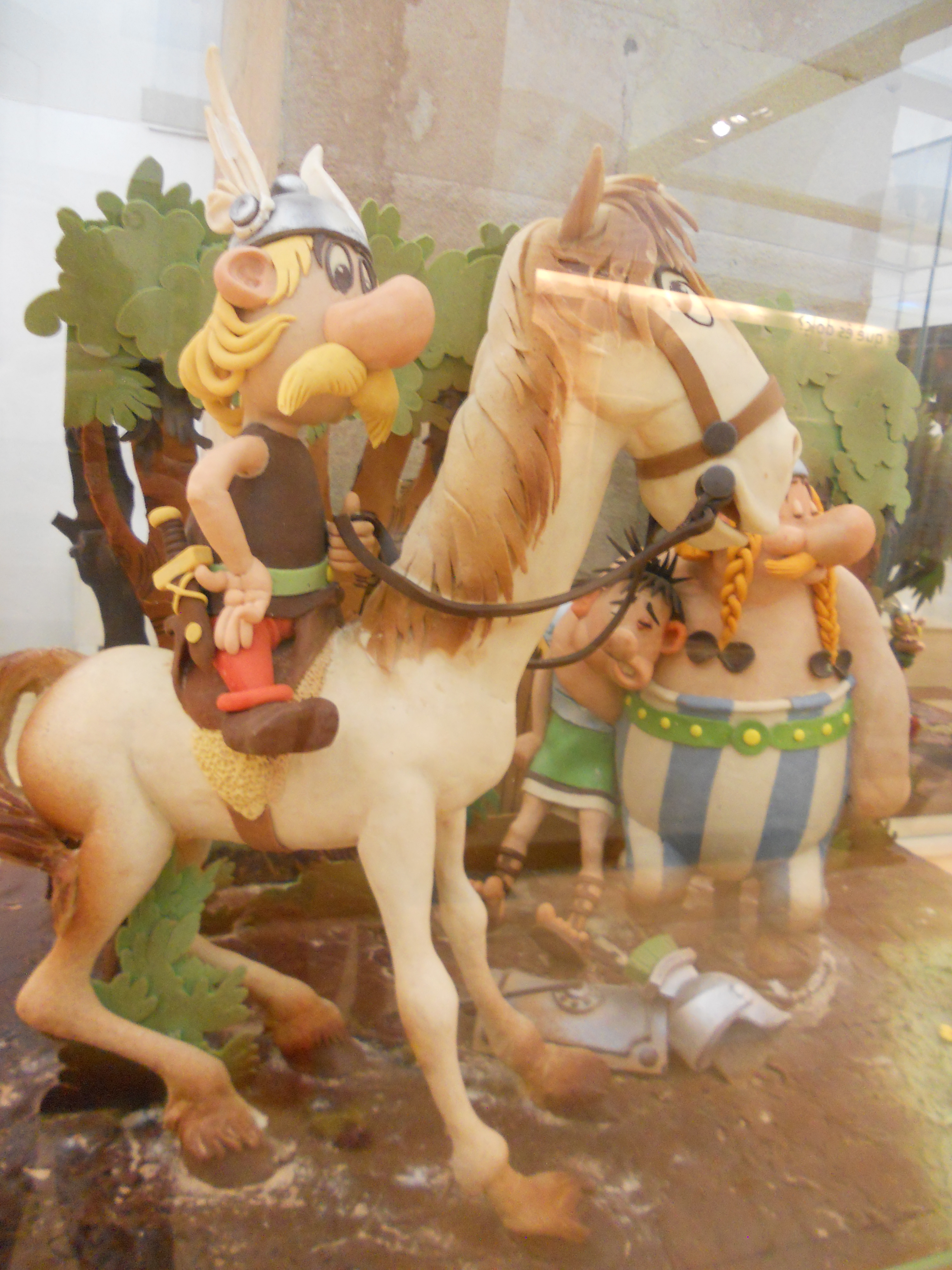
“Los Romanos” by Dominique Miró

you can feel the emotions of these roman soldiers just by looking at their faces and gestures…

The chocolate art pieces at this museum are incredible done and preserved that sometimes it is so hard to believe that were made with chocolate! Like this one called “Tauromanía” (bull fan) made by Catalan Chocolatier Julio Carretero
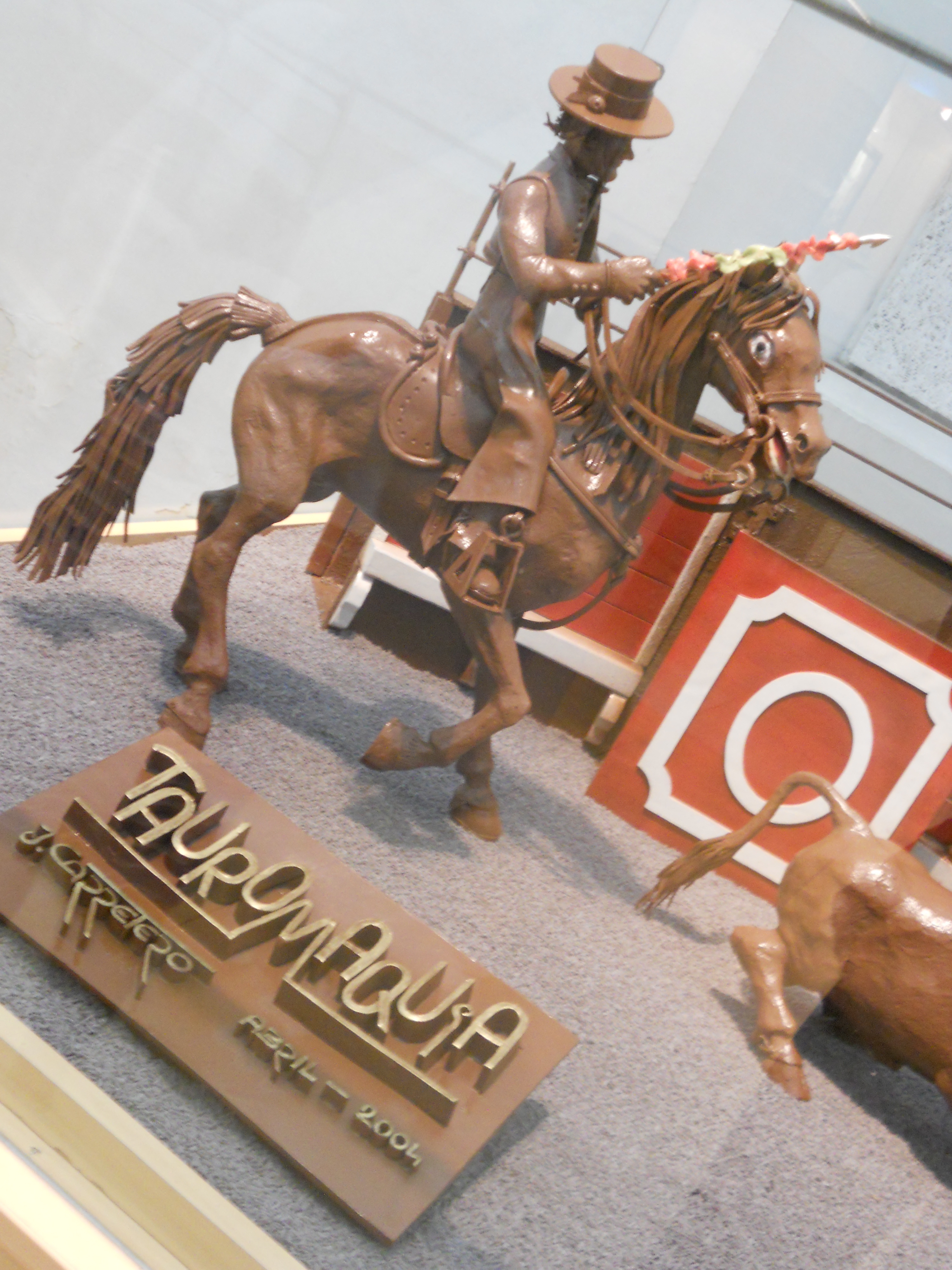
All the showpieces are covered with air-tight sealed glass cases to protect their shape and color. As well, the temperature of the museum is kept at the appropriate one for the chocolate preservation avoiding humidity and extreme heat. If all the conditions are well maintained, a chocolate art piece could last between ten to forty years!

Another show piece by Julio Carretero called “El Quijote de la Mancha”
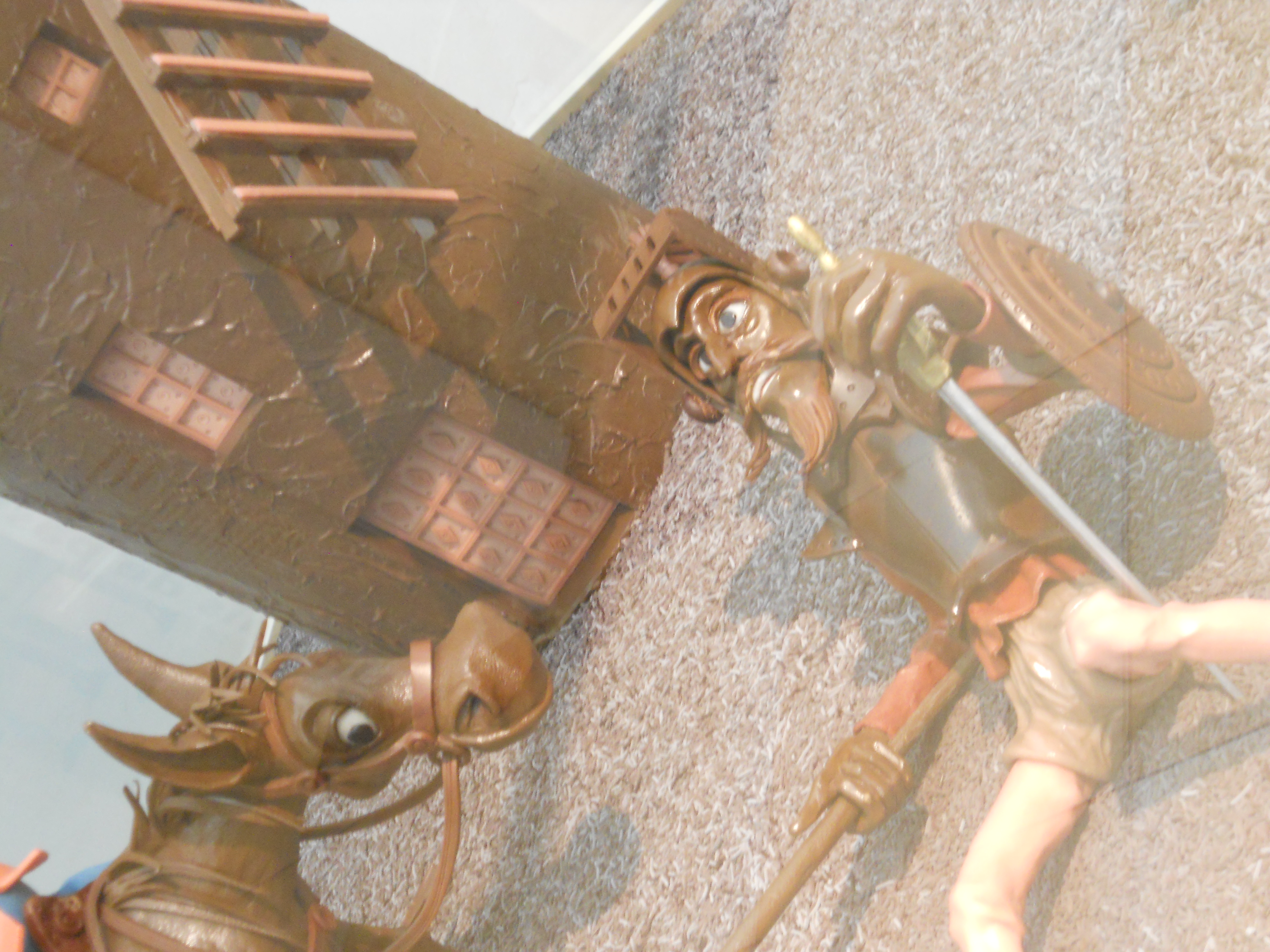
More emotions perfectly captured in “El Quijote” chocolate show piece by Julio Carretero
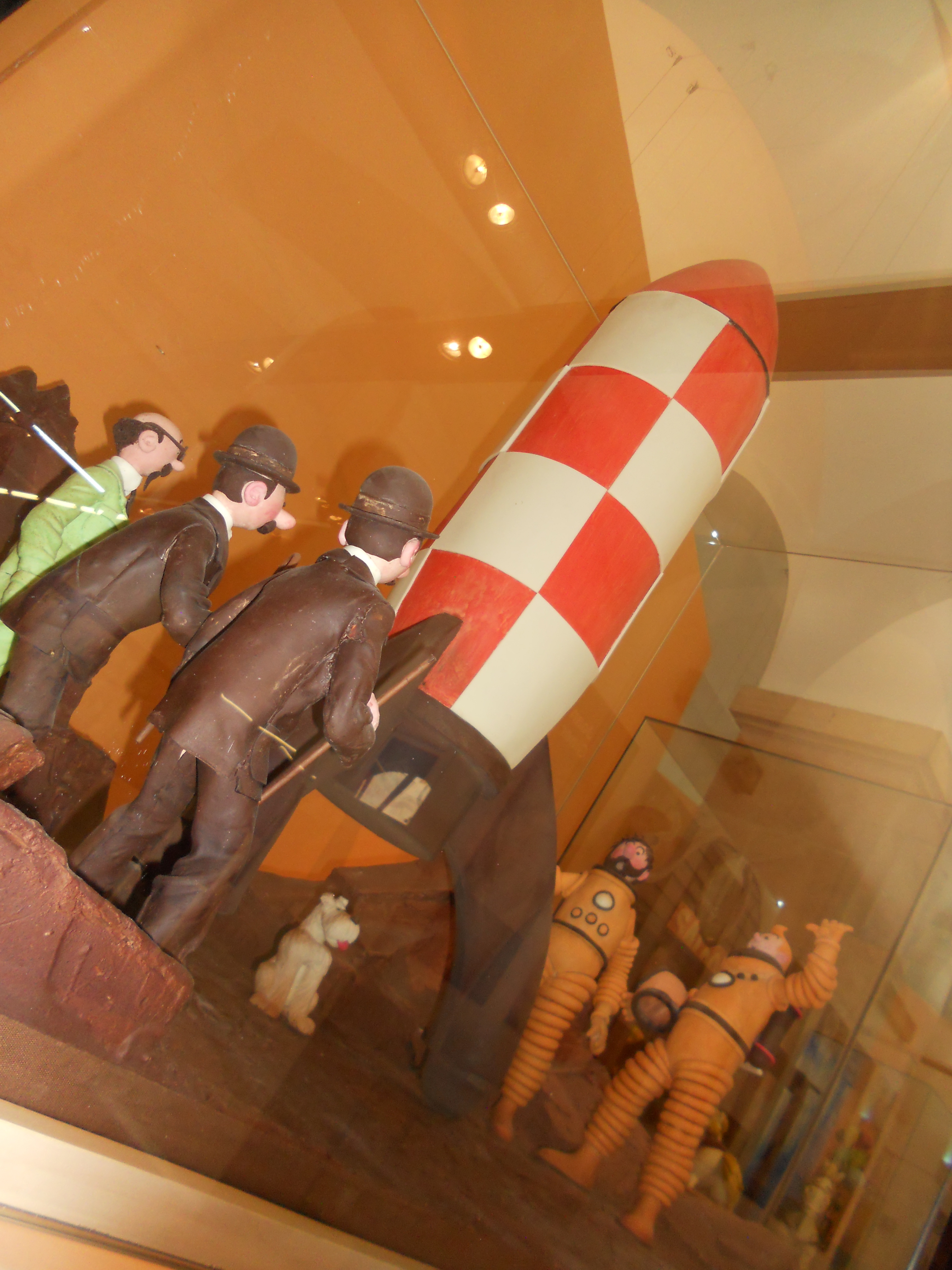
The characters of the comic “Tin-Tin en su viaje a la luna” (Tin-Tin goes to the moon) by Catalan Master Chocolatier Dominique Miró

In this chocolate show piece, artist Cristina Sintes, well captures the emotions of this little boy in her piece called “Sentimientos” (Feelings). She carved the chocolate block to made this piece and used the chocolate spray technique as well to give a velvety final touch to her creation

Students at “La Escuela de Pastelería del Gremio de Barcelona” (Barcelona Pastry School) have their chance as well to participate in international chocolate competitions where the winners could see their own art pieces exhibited at the Museum. This year, the theme of the Chocolate competition was “Barcelona”. This chocolate piece had the first place in the competition and resembles the water fountain at “Las Ramblas” in the heart of the City

25 kilograms of chocolate were needed to make this art piece by the Chefs of the Barcelona Pastry School called “El Cuadrante” (The Quadrant)
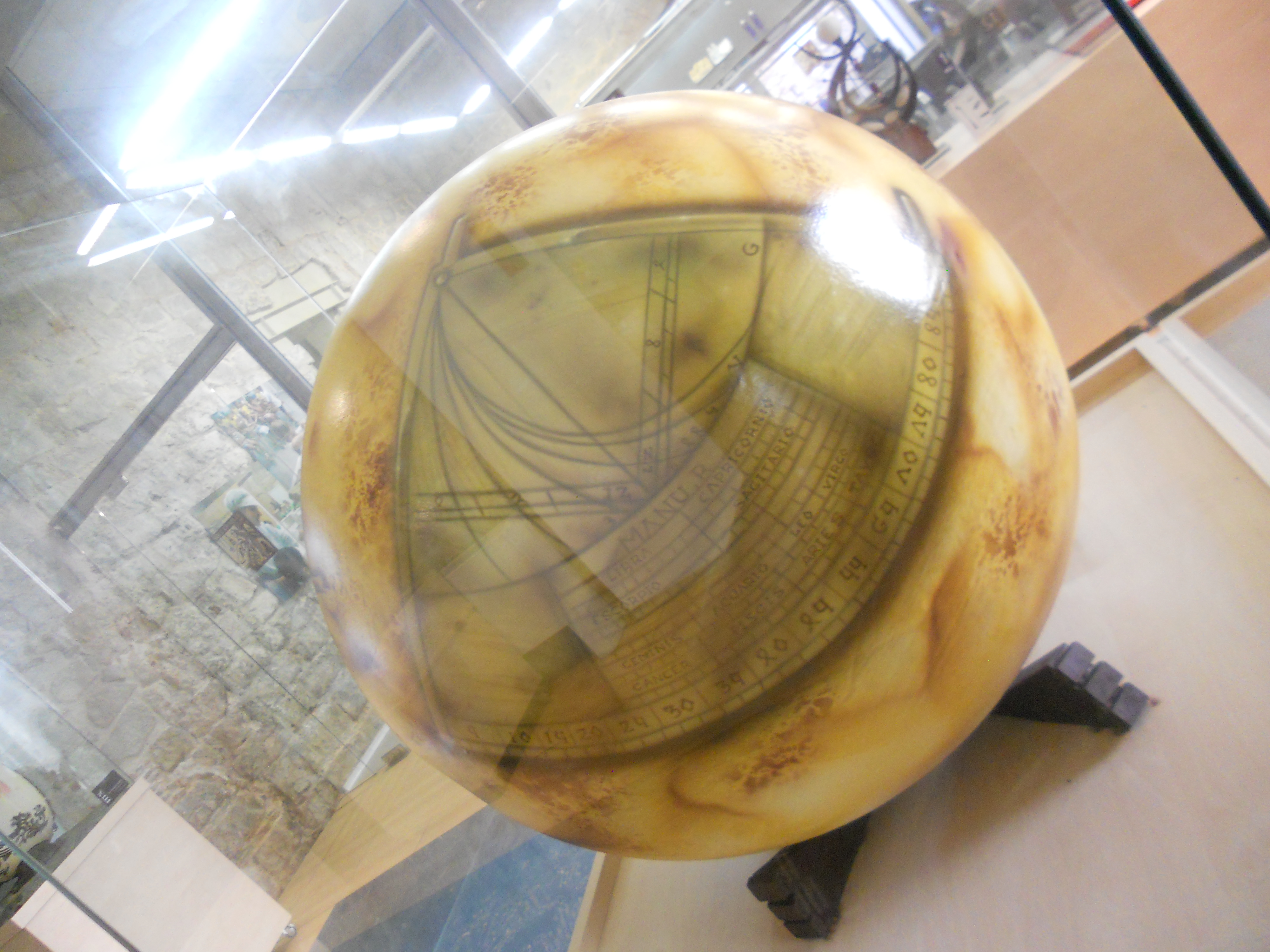
It also required the used of serigraphy techniques for the final touch

Chef Jordi Sempere posed by the chocolate art piece that represents “La Sagrada Familia” (The Holy Family Cathedral) as he worked so hard to accomplish this art piece that was presented to Pope John Paul II in a celebration that honored his visit to the City

A picture that captures that “moment of Glory” where the Chefs of Barcelona Pastry School met the Pope and honored his presence at Cathedral “La Sagrada Familia”, is showed by this chocolate art piece at the museum

Working with chocolate requires much passion as precision
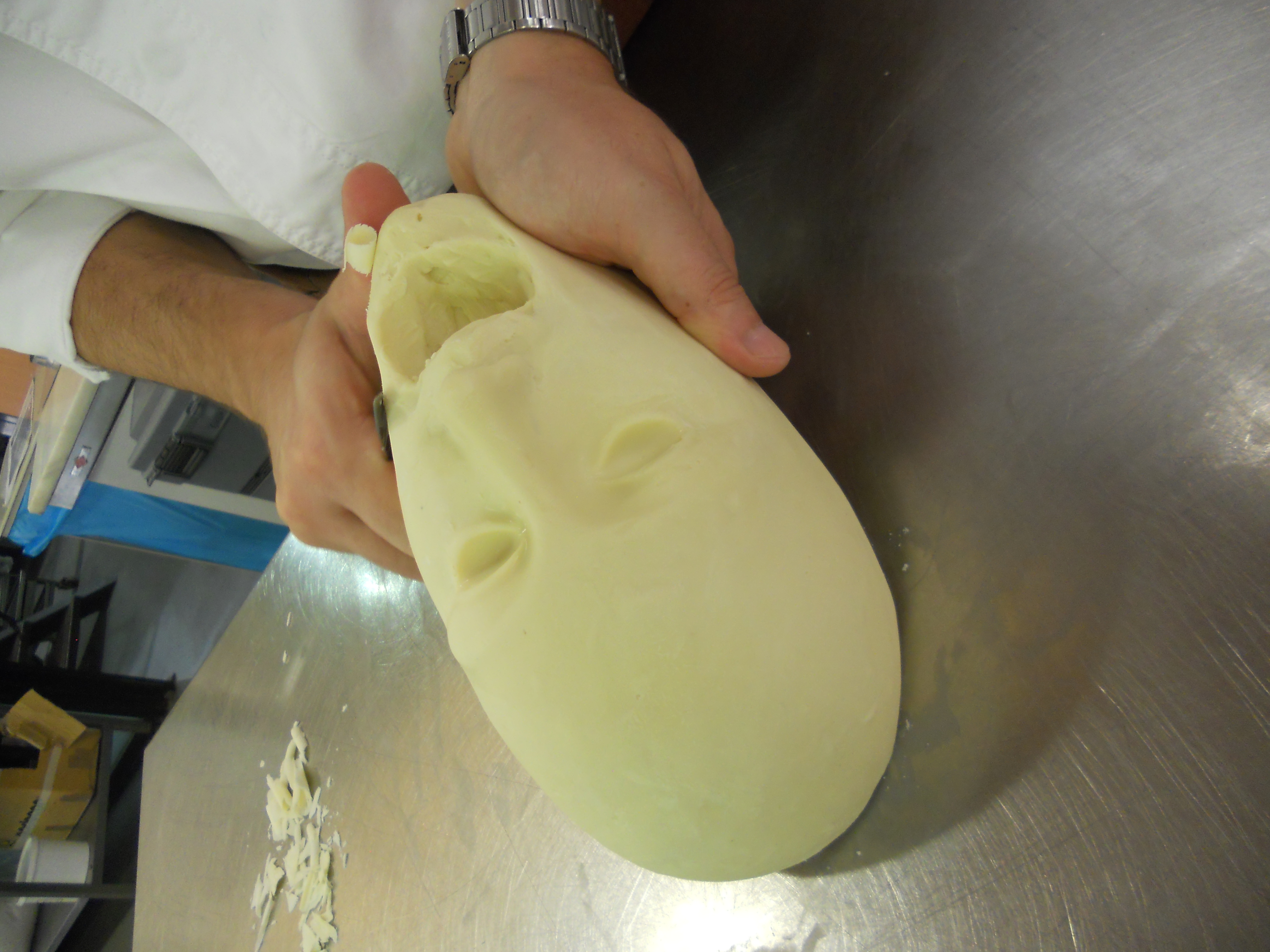
Patience is required when working with it as it is so sensitive and delicate. Forget about being in a rush if you decide to step into this art!

Umm …. chocolate!

chocolate ….

and more chocolate! … What our lives would be without it? … from the pleasure that we feel when it melts in our mouths at its first bite, to the amaze we experience when we look at chocolate show pieces made by artists and chocolatiers. Chocolate knows well how to bring joy and put a smile in faces of all ages with each unwrap!
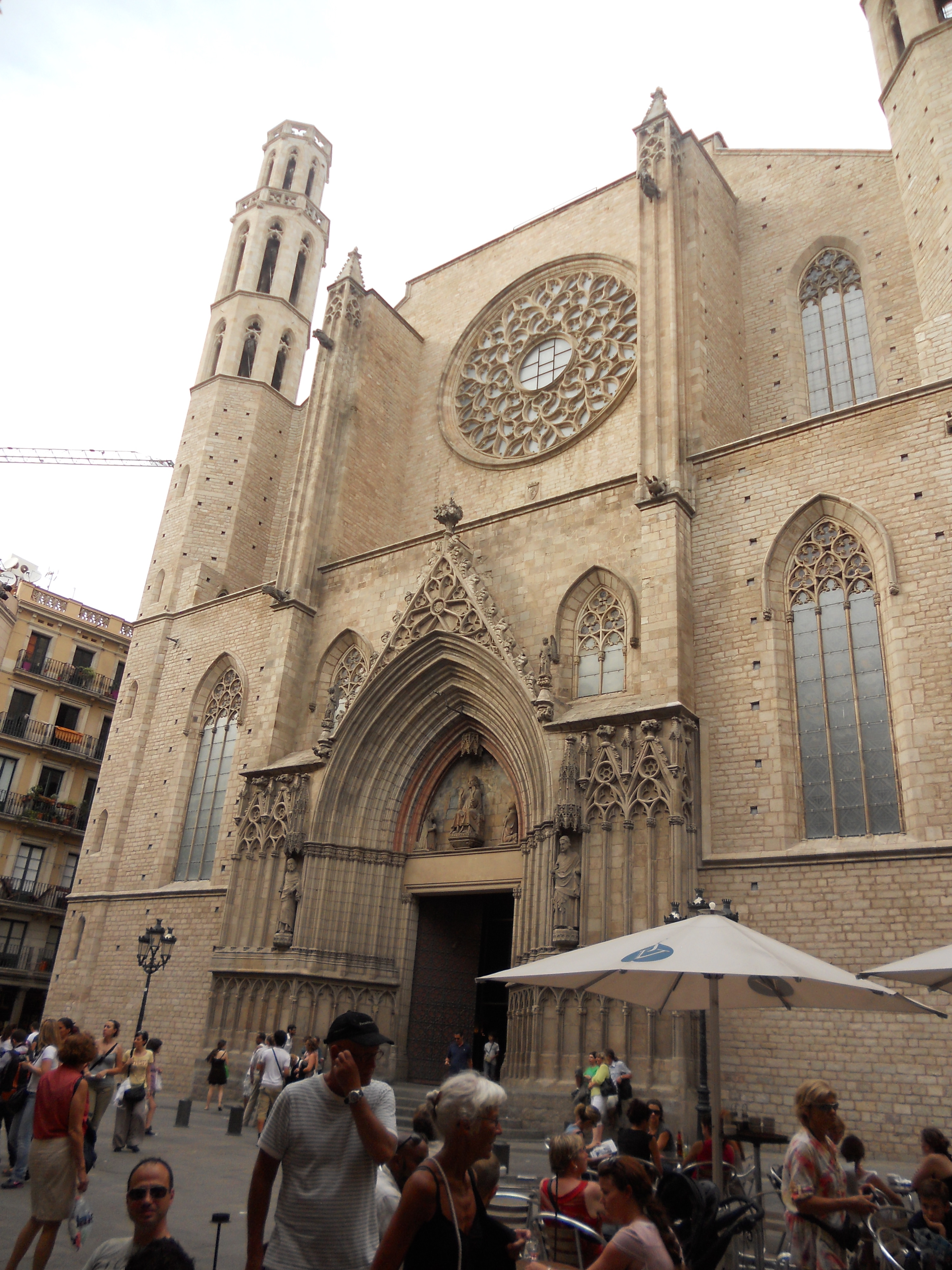
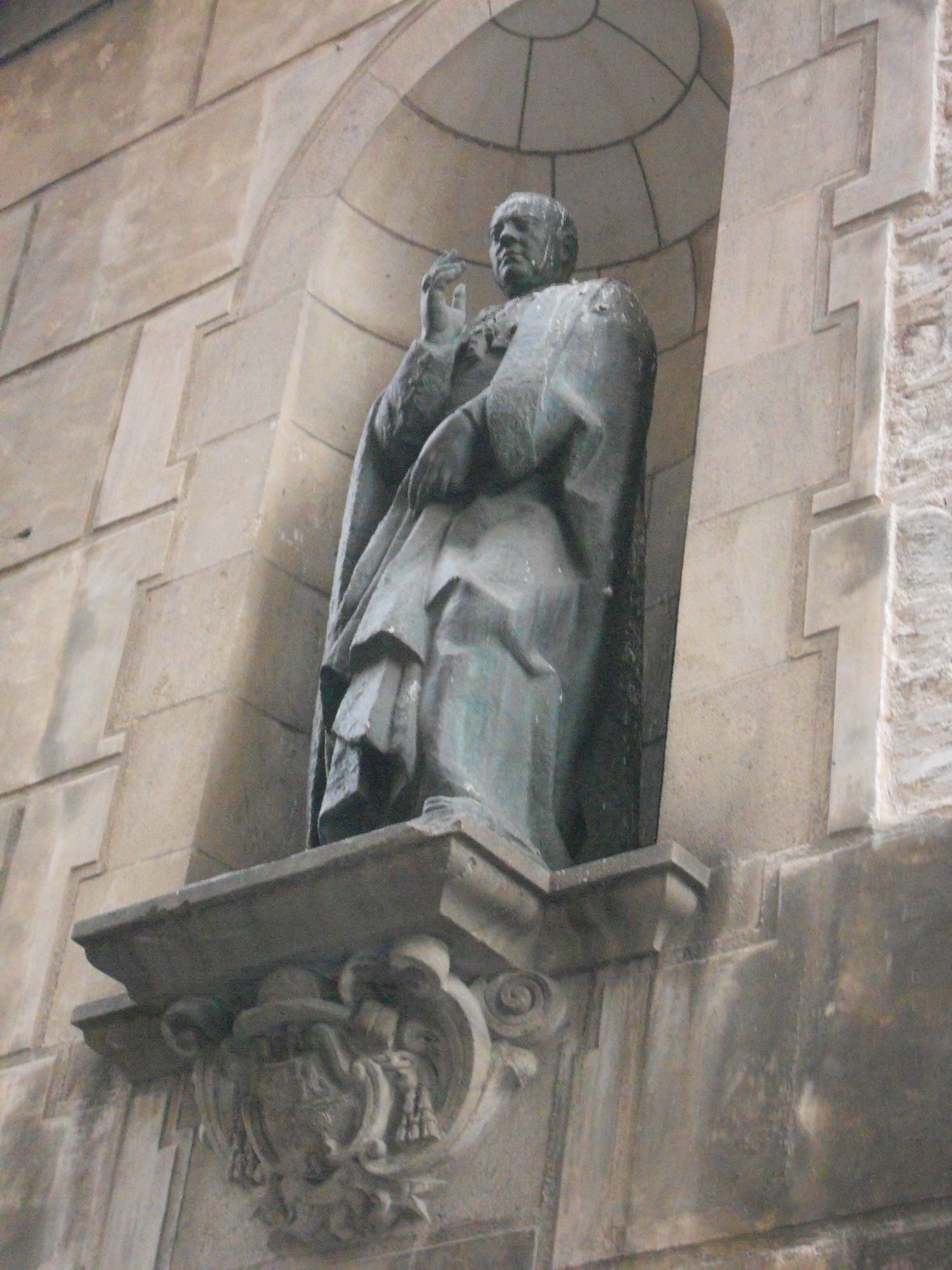
Medieval character at “La Ribera”

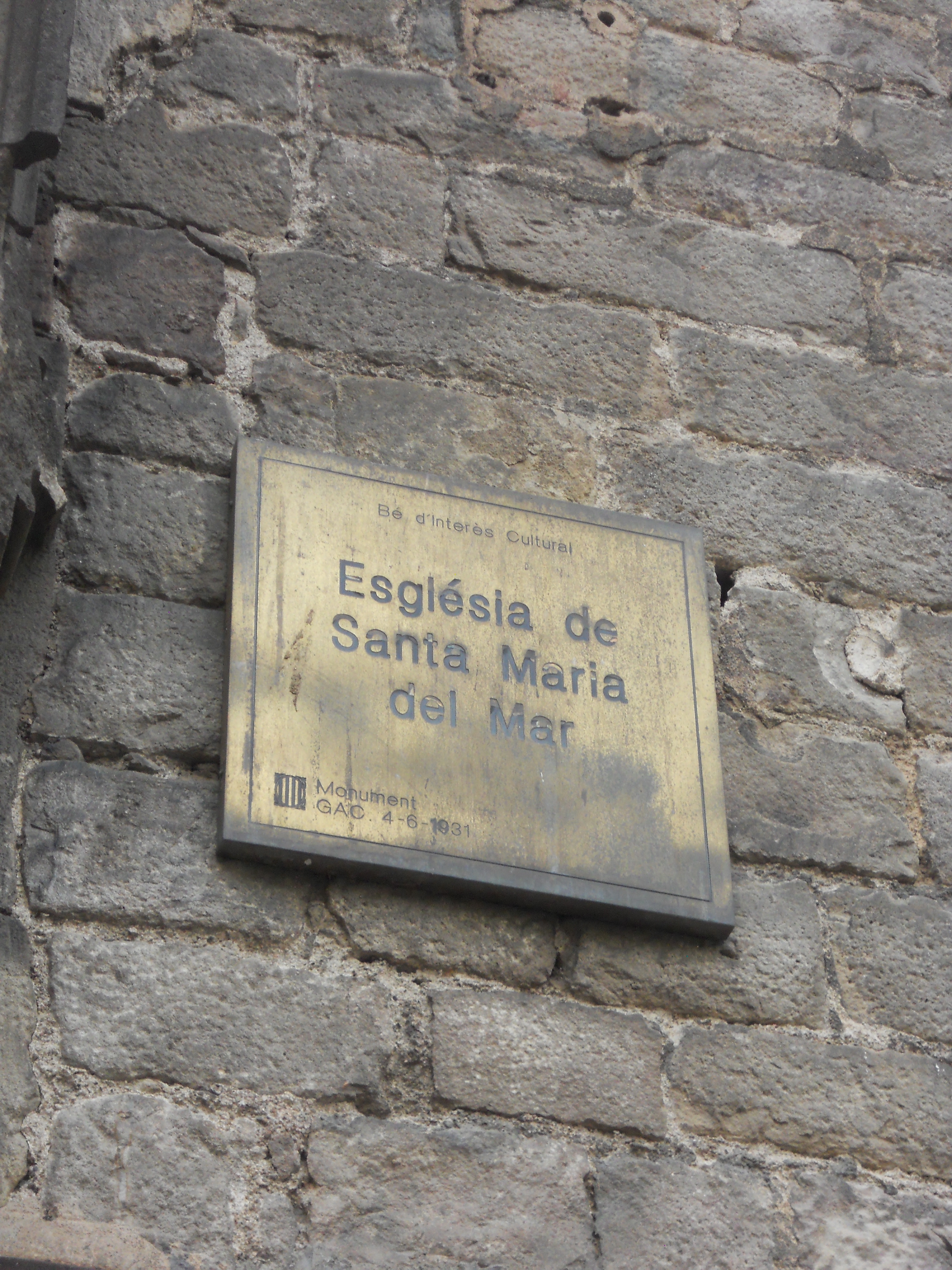
As maritime commerce grew in the 13th and 14th centuries, “Barrio de la Ribera” (“neighborhood of the waterfront”) became a populous residential district for the merchant class. Until recently, this area was known principally for its great church called: Santa María del Mar, and the well-known Museu Picasso (Picasso Museum). During the past decade, La Ribera, and in particular the zone within it called El Born, has become the city’s most fashionable district, with chic bars, restaurants, and boutiques. Be advised that it could get a little bit rowdy late at night, but it still retains its medieval character.

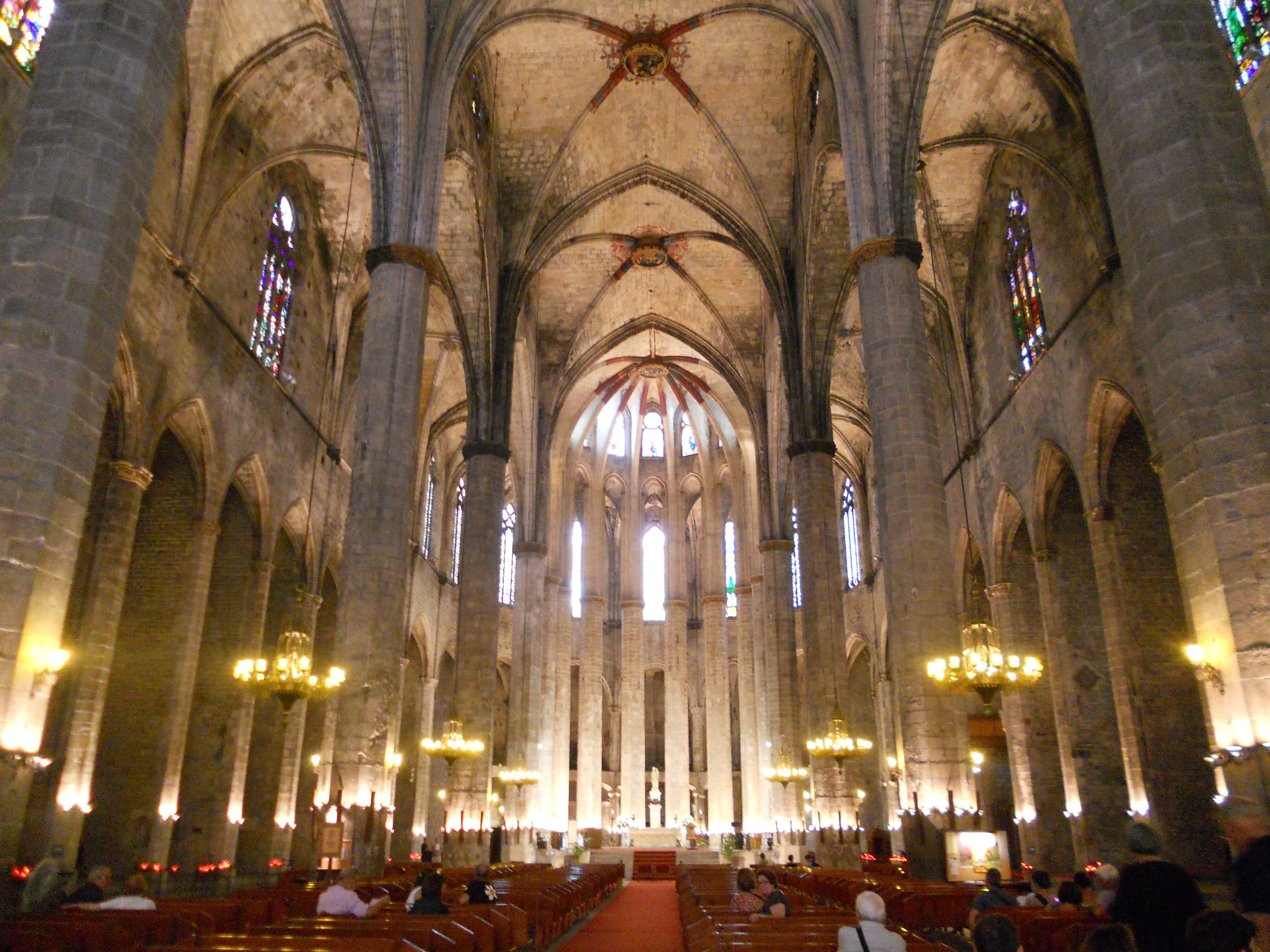
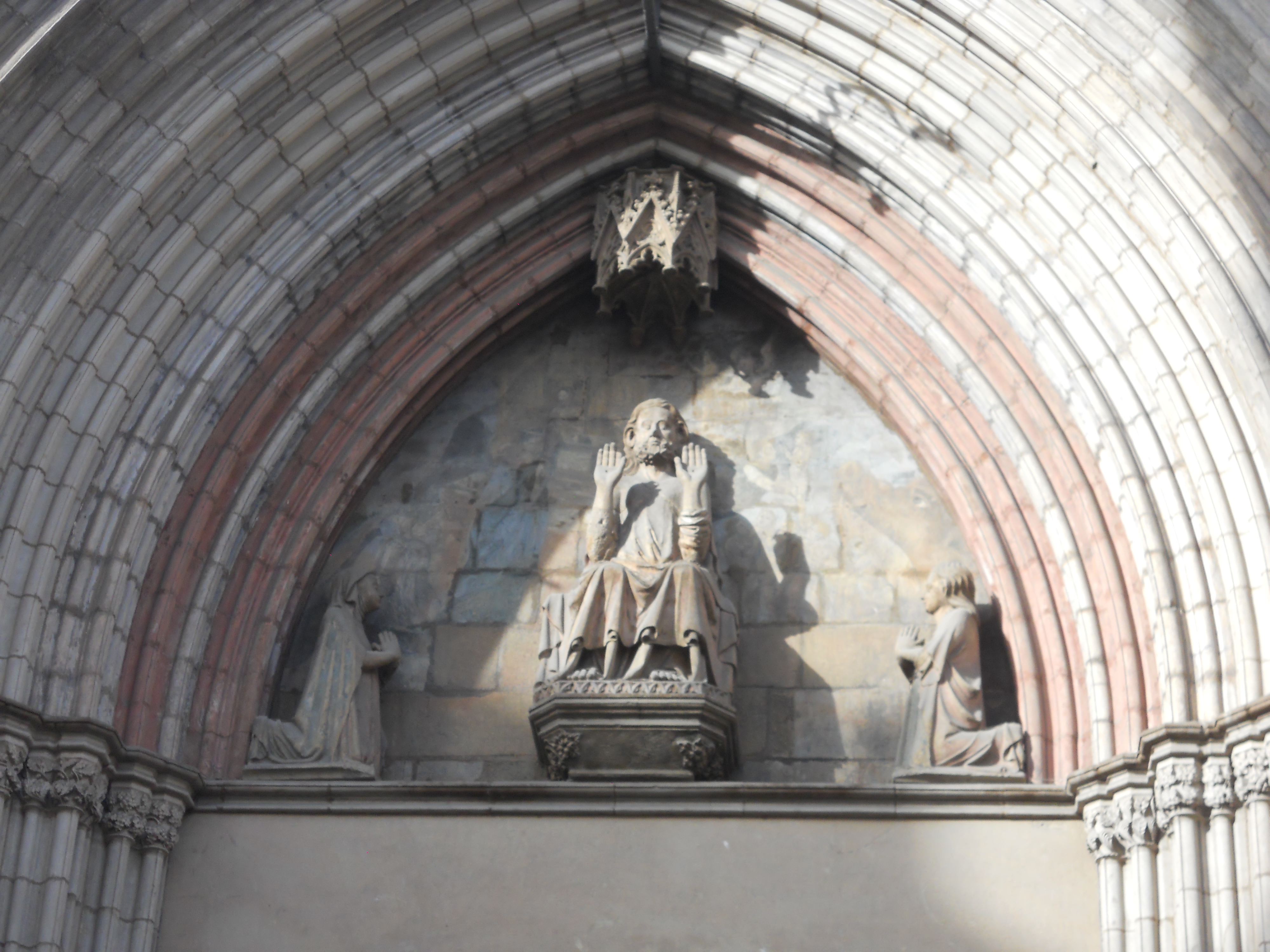
“Santa María del Mar” church

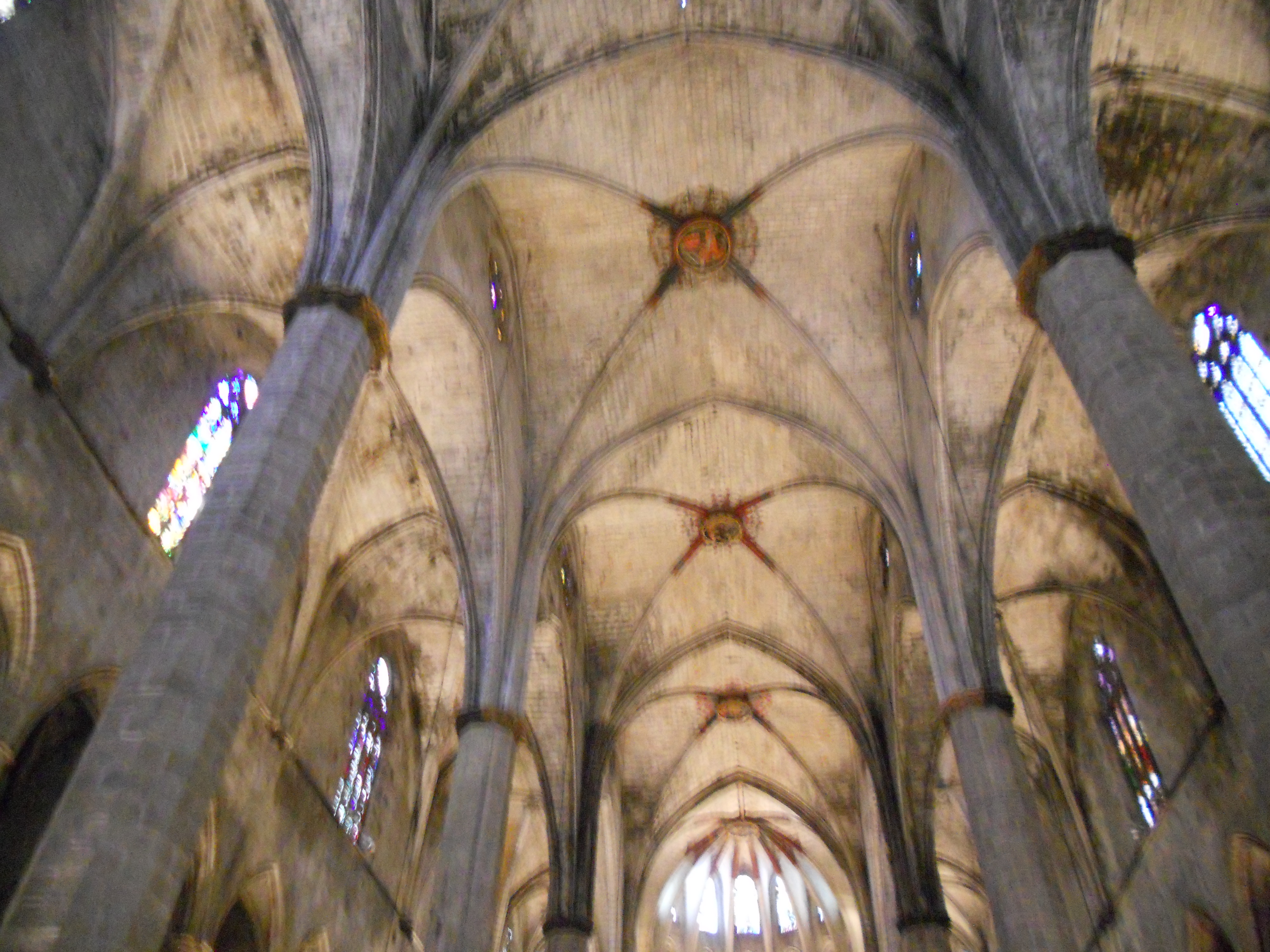
 the inside of this church is beautiful too …

The bride & groom have left, only the red rose petals remains …

Visiting this extraordinarily graceful 14th century Catalan Gothic church Santa María del Mar is a must. It is a good way to clear your head before you continue exploring this bustling neighborhood

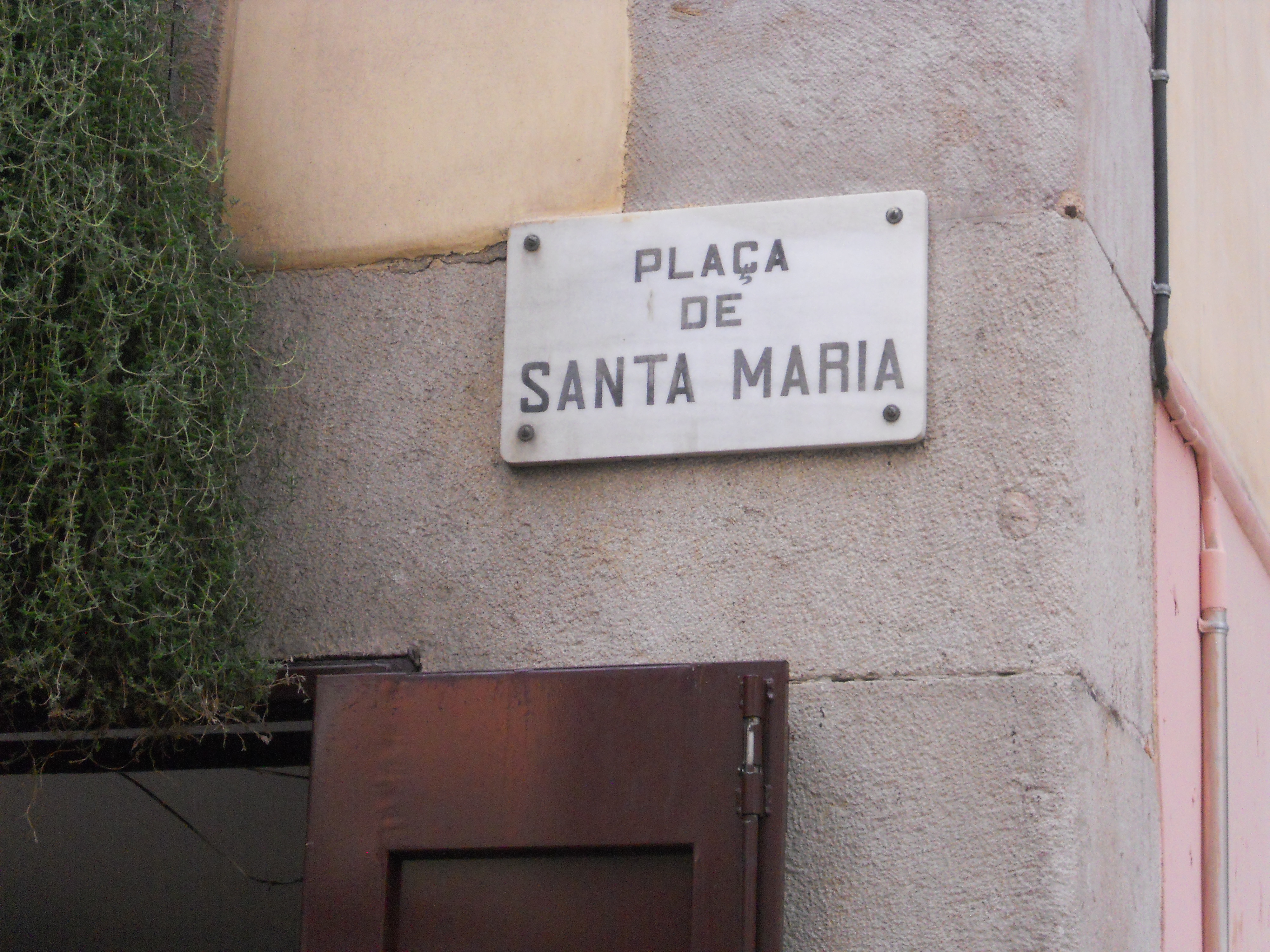
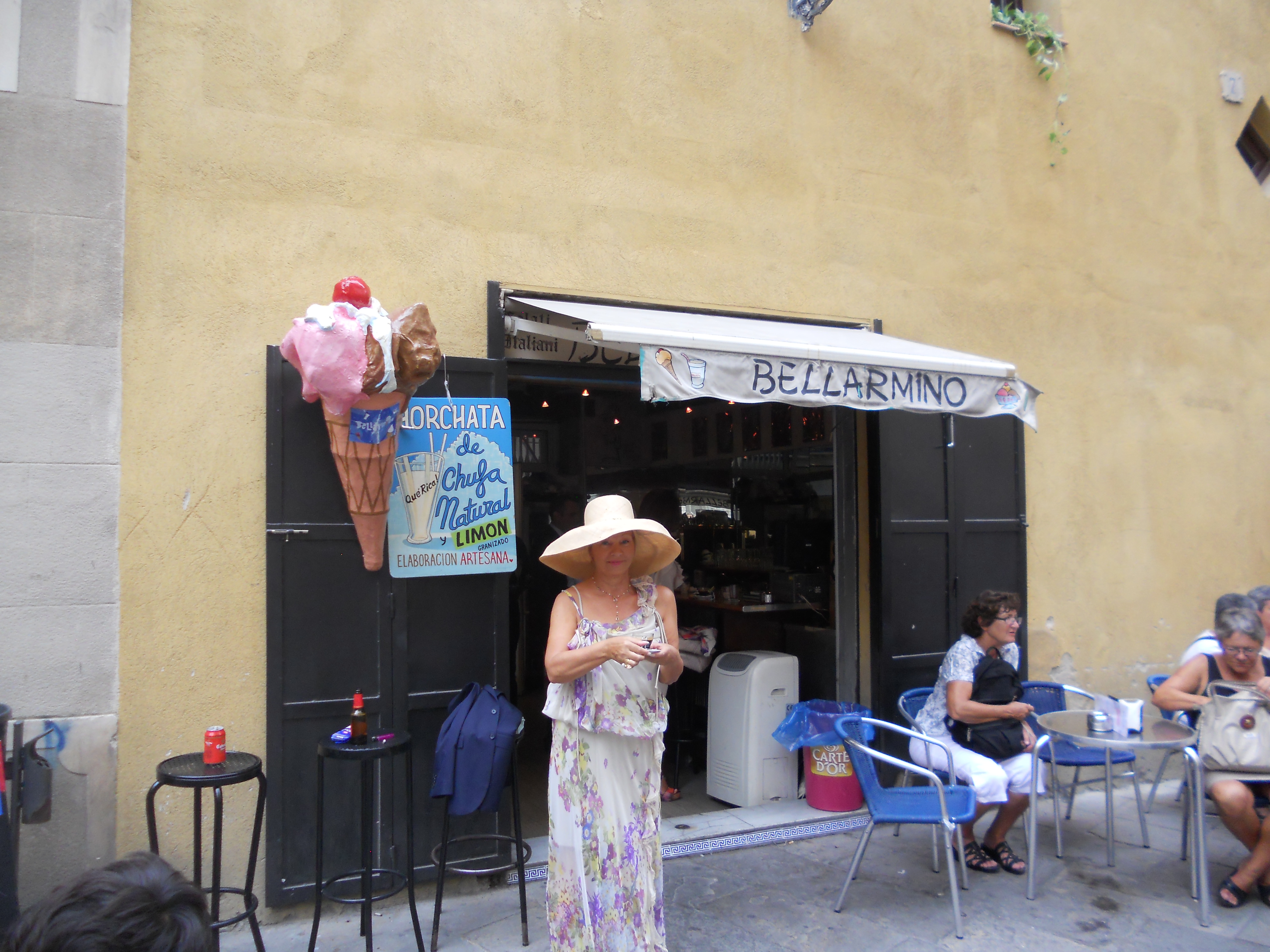
In Plaza de Santa María (Saint Mary Park), just behind the church, you can take a break in many of the chic bars, patisseries and restaurants around

this lady took my advice …

time to sit down, relax and enjoy a drink and a snack in company of good friends

even the amazing human statues find time to take a break along Plaza de Santa María

Paseo del Born (The Born promenade) is a wide and elegant tree-lined promenade with stone benches that makes it a good place for a breather. Once the site of medieval jousting tournaments, it became the main square and heart of the city during Barcelona’s seafaring heyday (13th to 18th century). Today apartment dwellers in its Gothic mansions are more commonly up in arms about the busy boutiques, outdoor cafes, bars and pastry shops that populate this neighborhood

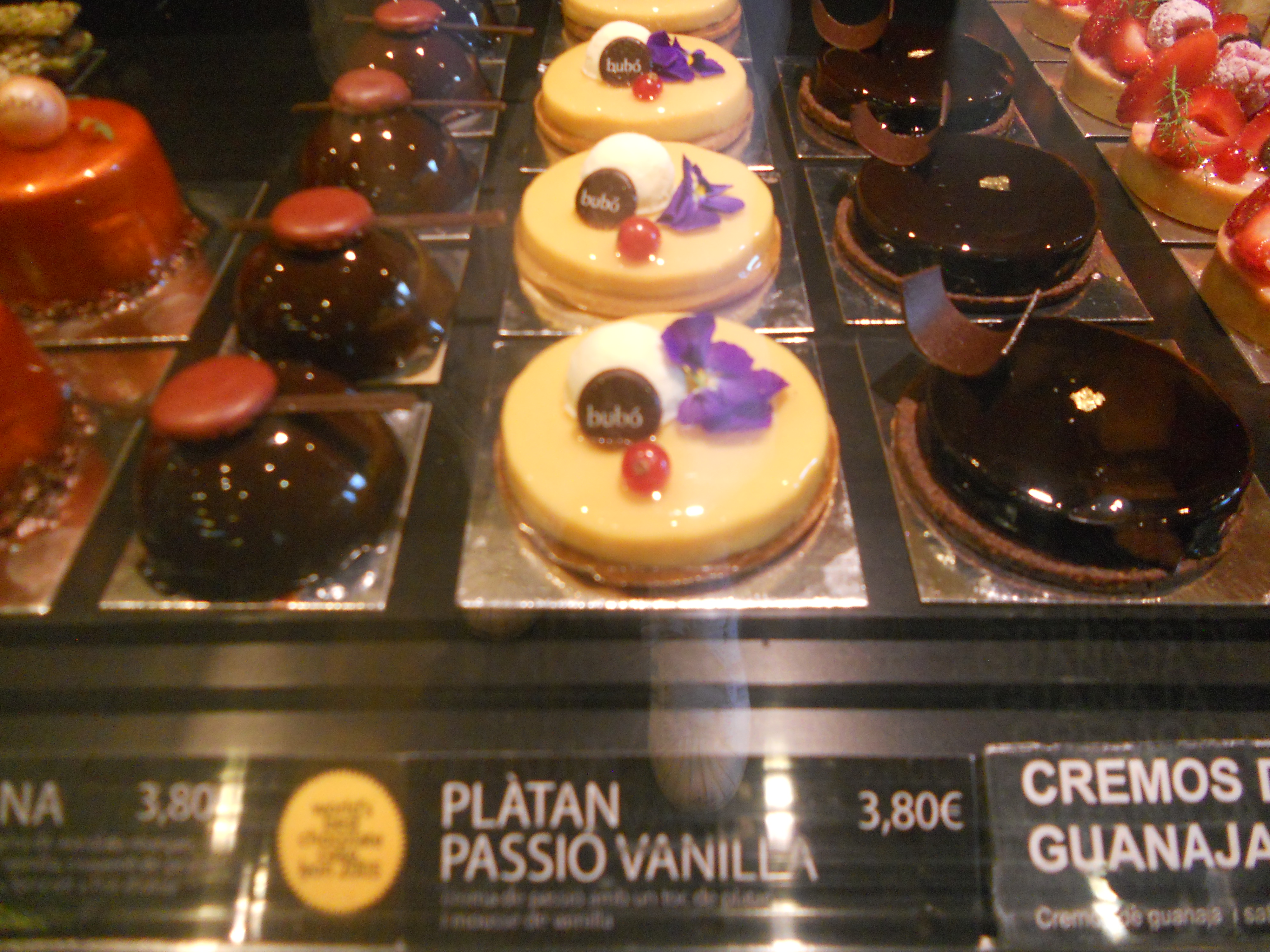
right in the heart of this neighborhood, Pastry Chef Carles Mampel member of “Relais Dessert International” and with many world award prizes on the top of his toque (like Best Chocolatier, Lyon – France 2005 and best pastry chef of the world, Rimini – Italy 2004), has one of his four patisseries, bar and catering services: Bubó

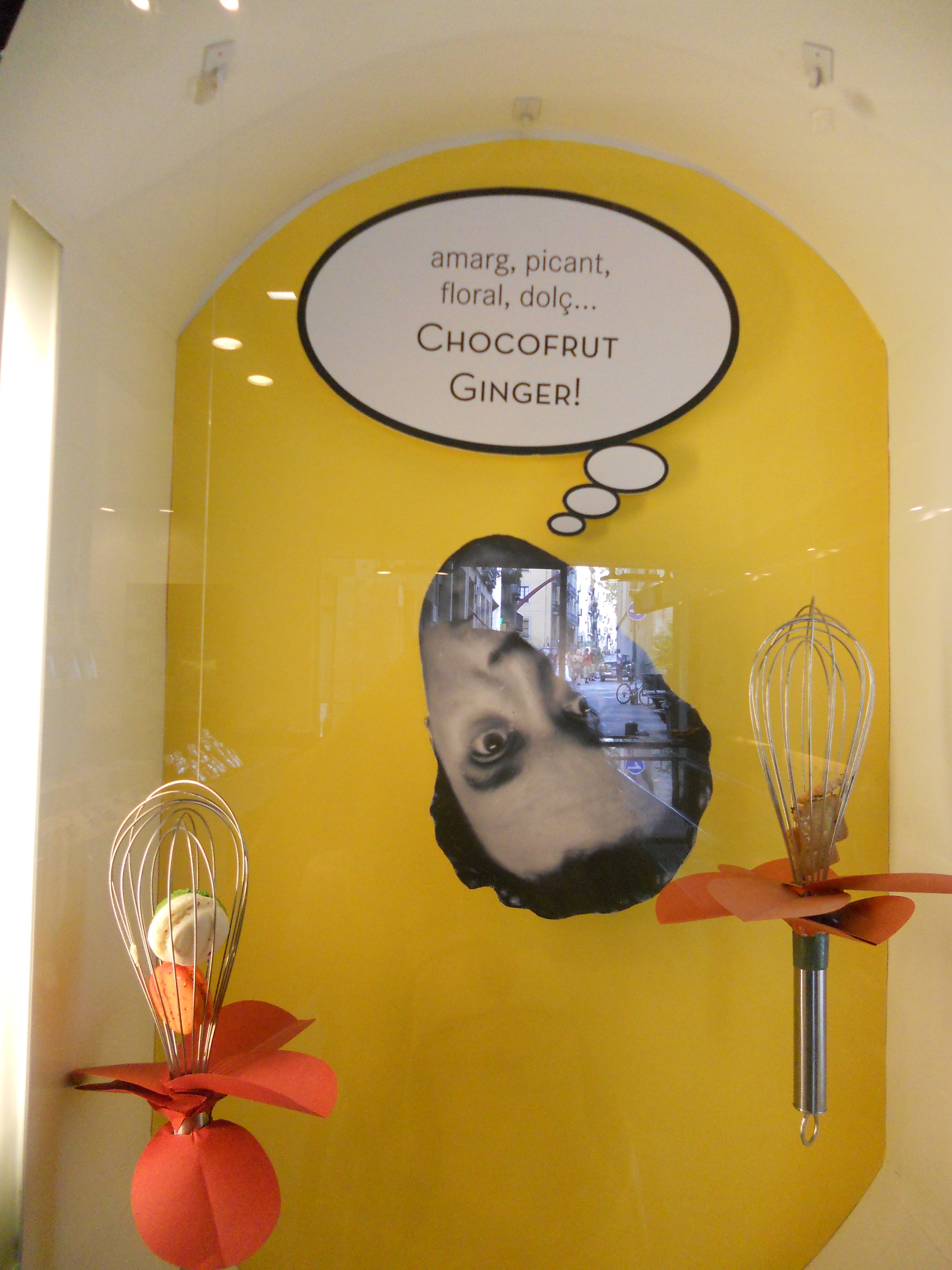
with so many delicious sweet choices offered at this pastry shop, your head will go upside down too!

individual tarts

yum!

chocolate, raspberry, vanilla, passion fruit, nectarine, and much more flavors …

apple tart, Napoleons and much more

colorful macaroons

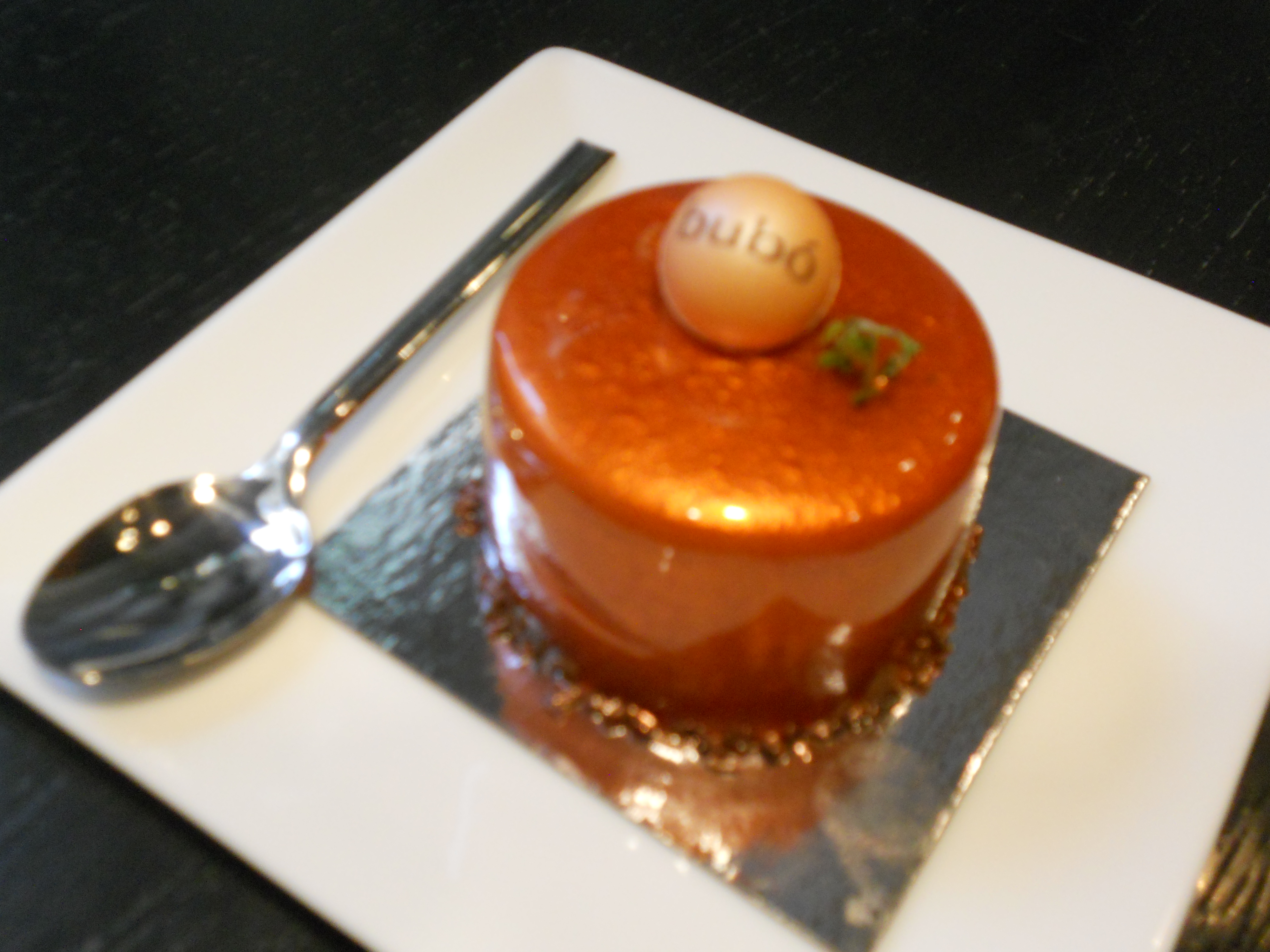
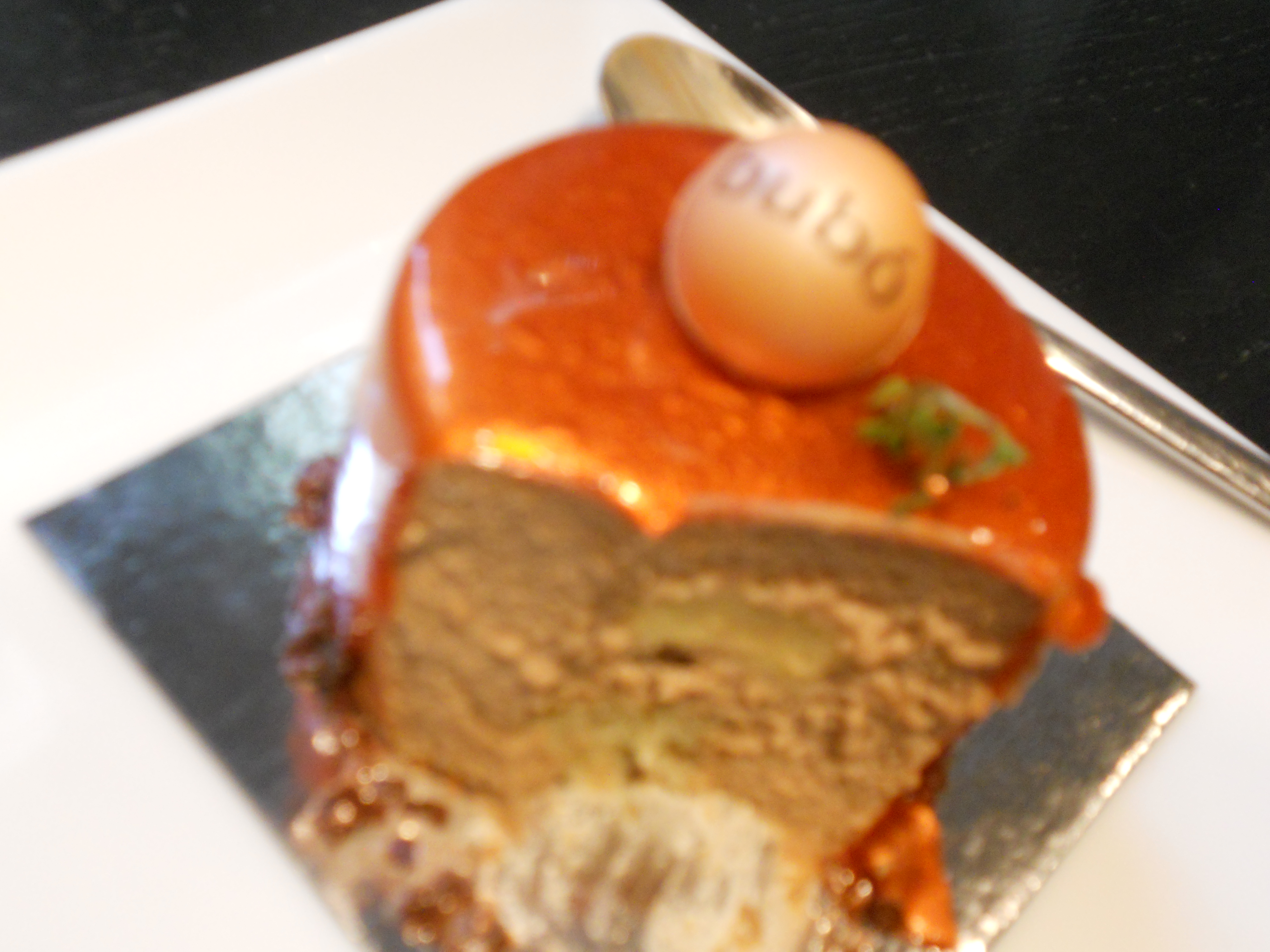
Bubó has its own tasting room where I decided to take a break and enjoy this exquisite individual tart

sponge cake, milk chocolate mousse, heart of clementine cream and confit covered in a shiny clementine chocolate glaze with chocolate decór on top … wow!

it was worth every bite!

after my sweet tasting at Bubó, it is time to keep walking and exploring the neighborhood

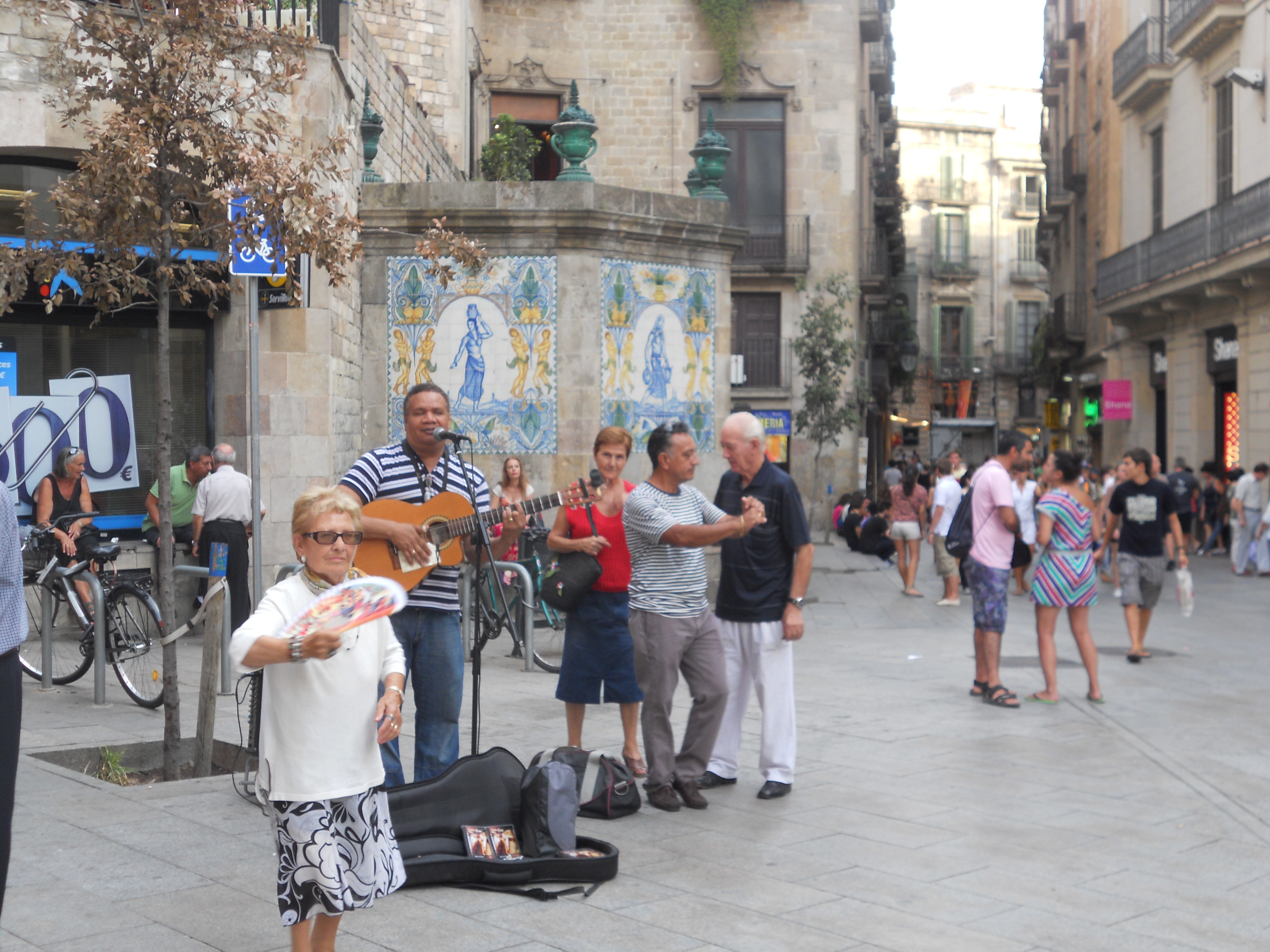
walking down carrer de la Argenteria (Argenteria street) and leaving behind the congestion of Via Laeitana, I arrived to “The Roman Great Wall”, where I was amazed by all the work of art found in the architecture of each building and cathedral around

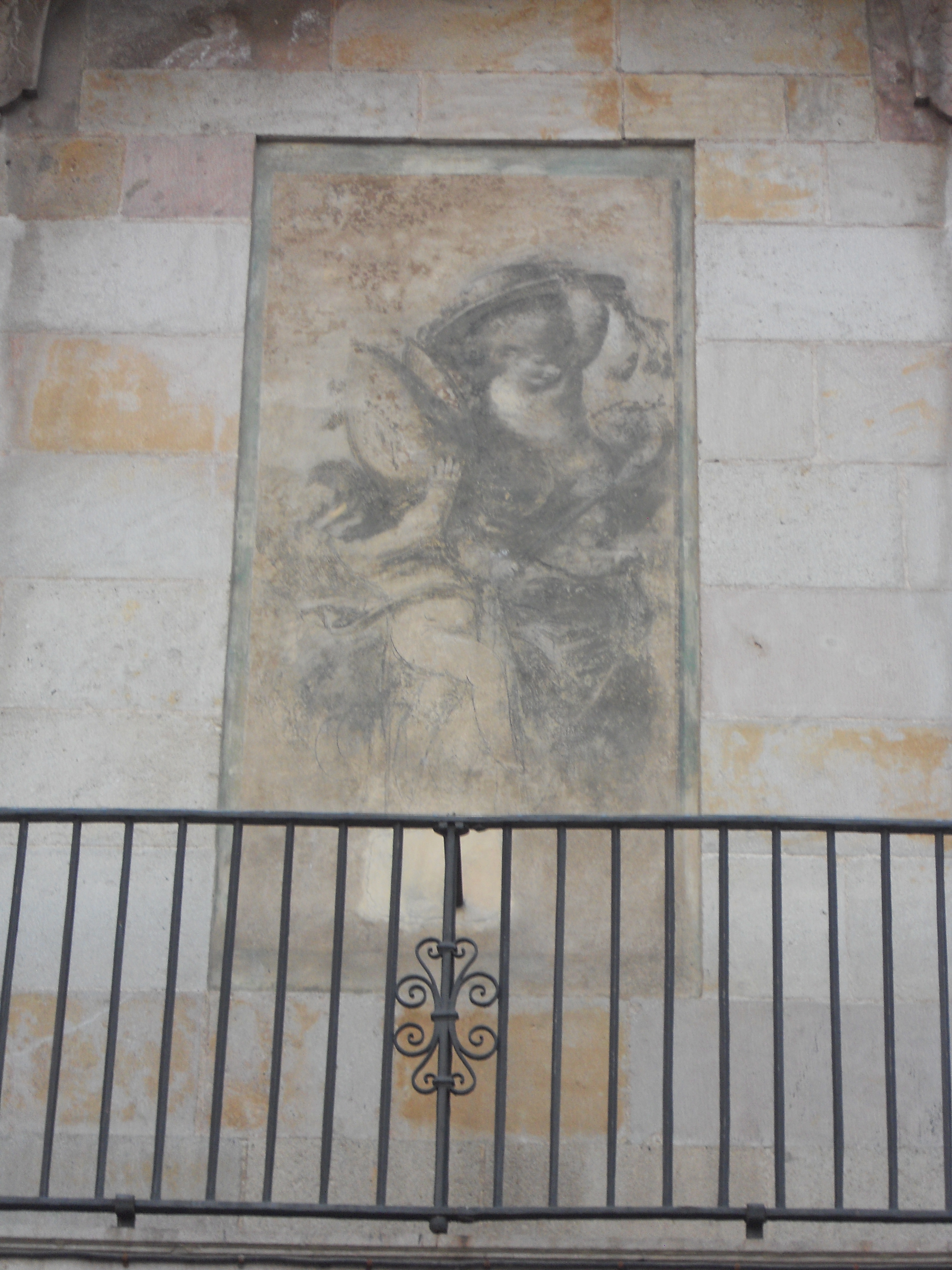
can you see this hand painted mural on the wall of this building?

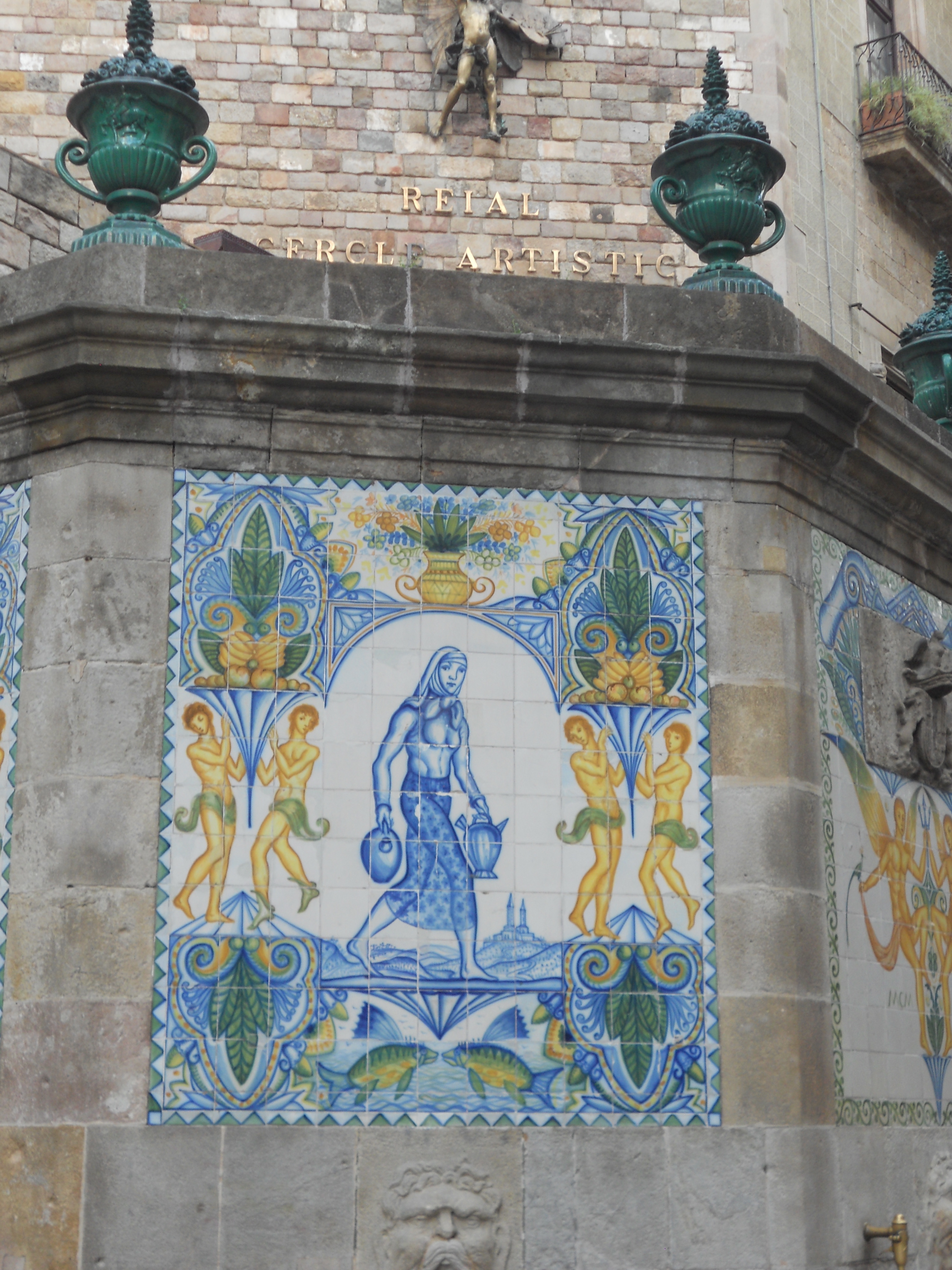
beautiful art displayed in this mosaic wall decór

it is always a good time to enjoy music from the local artists

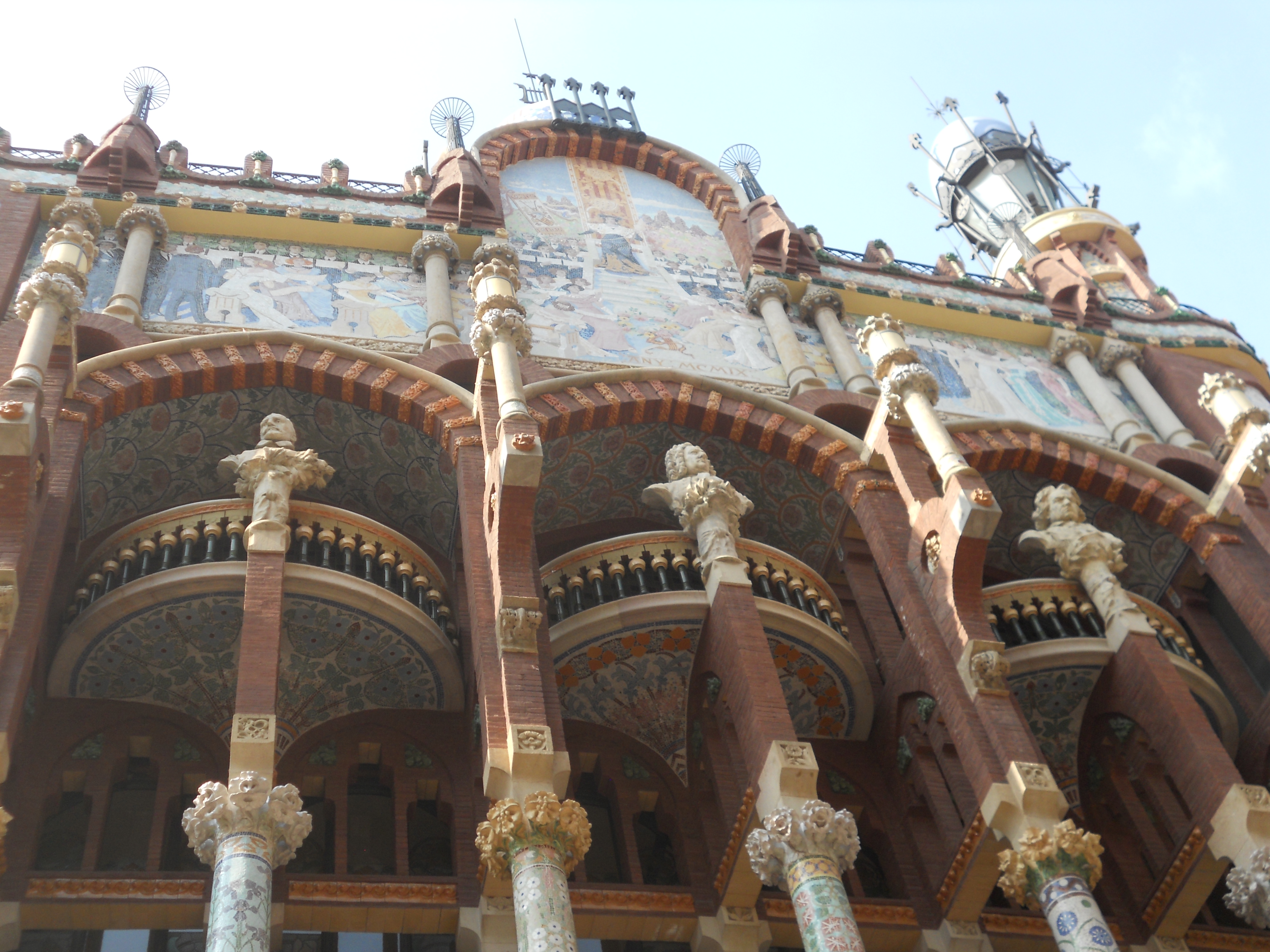
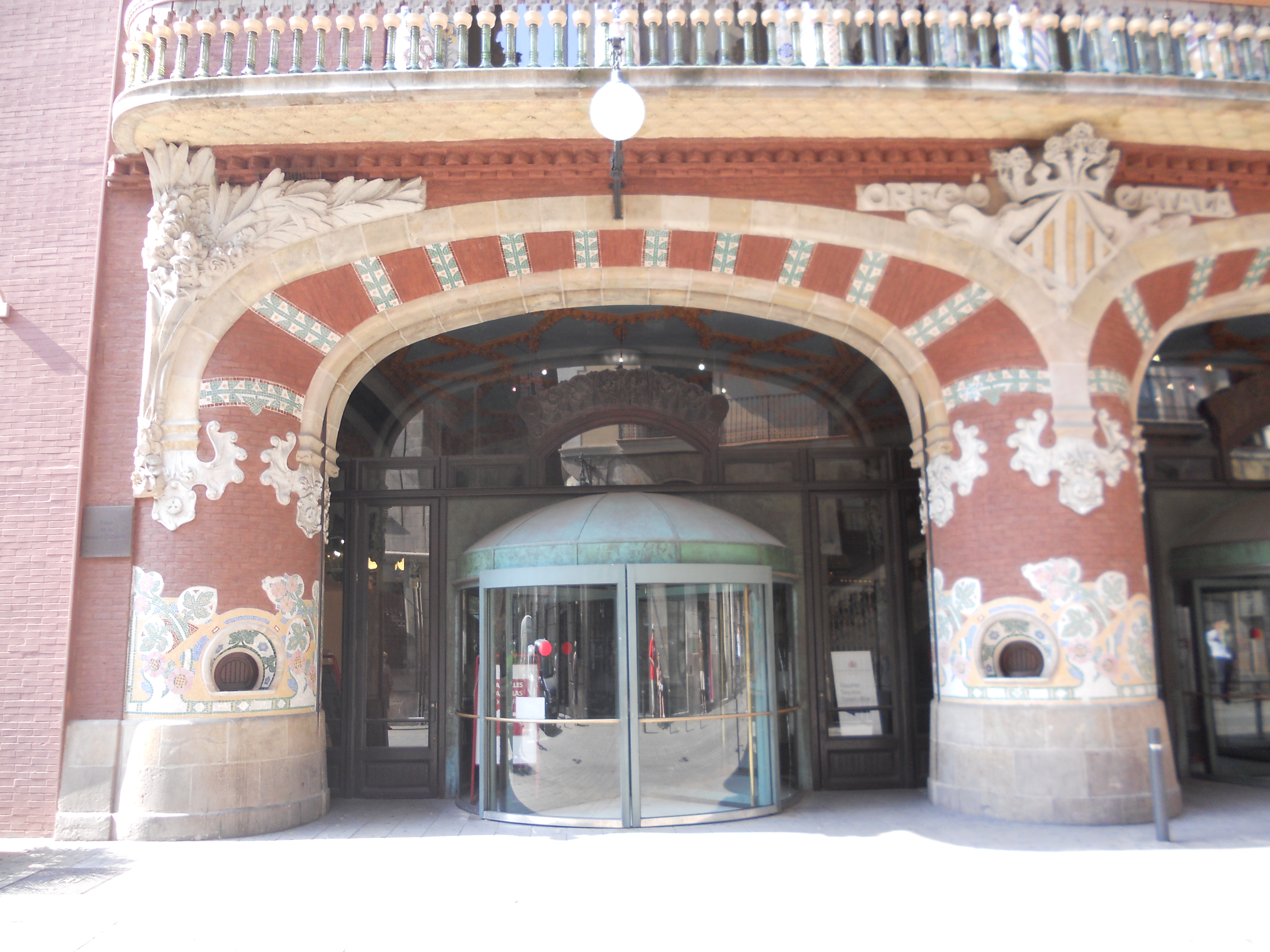
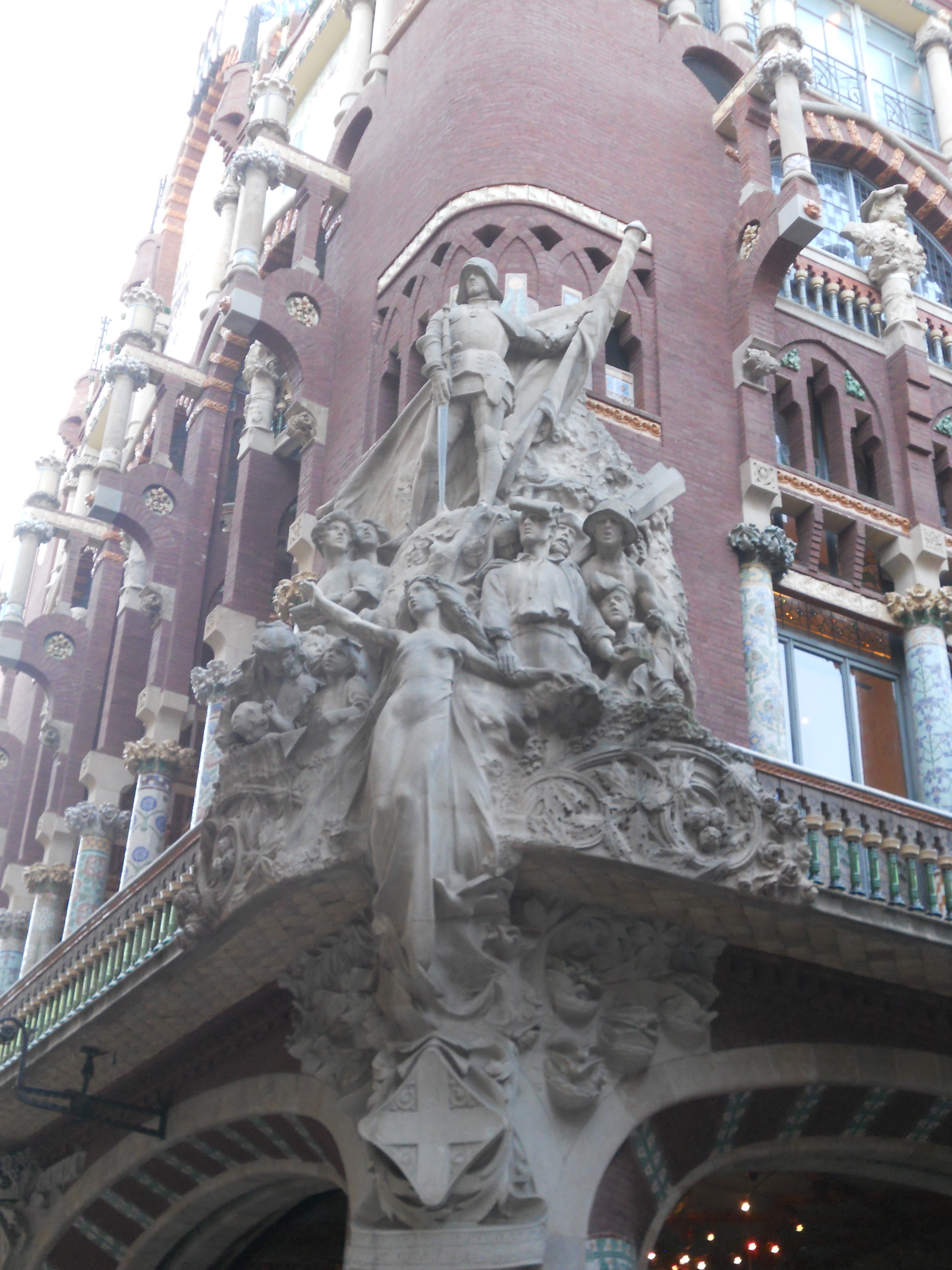
reaching Sant Pere mes alt street, we find El Palau de la Música Catalana (The Catalan Music Palace). This magnificent 1908 music hall is over-the-top ornate and one of Barcelona’s Modernism masterpieces. Fantasy of ceramics and  colored glass inside and out.

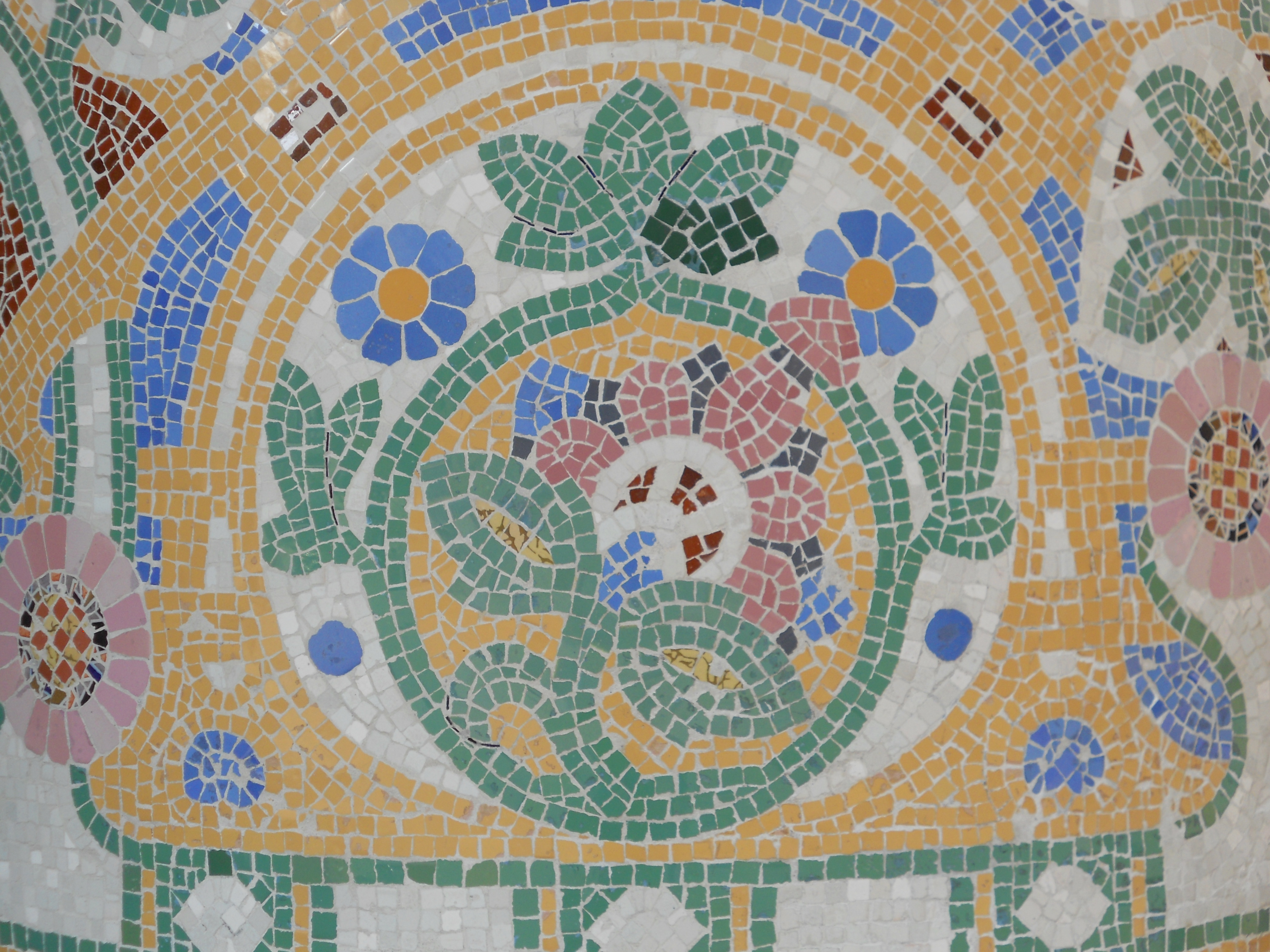
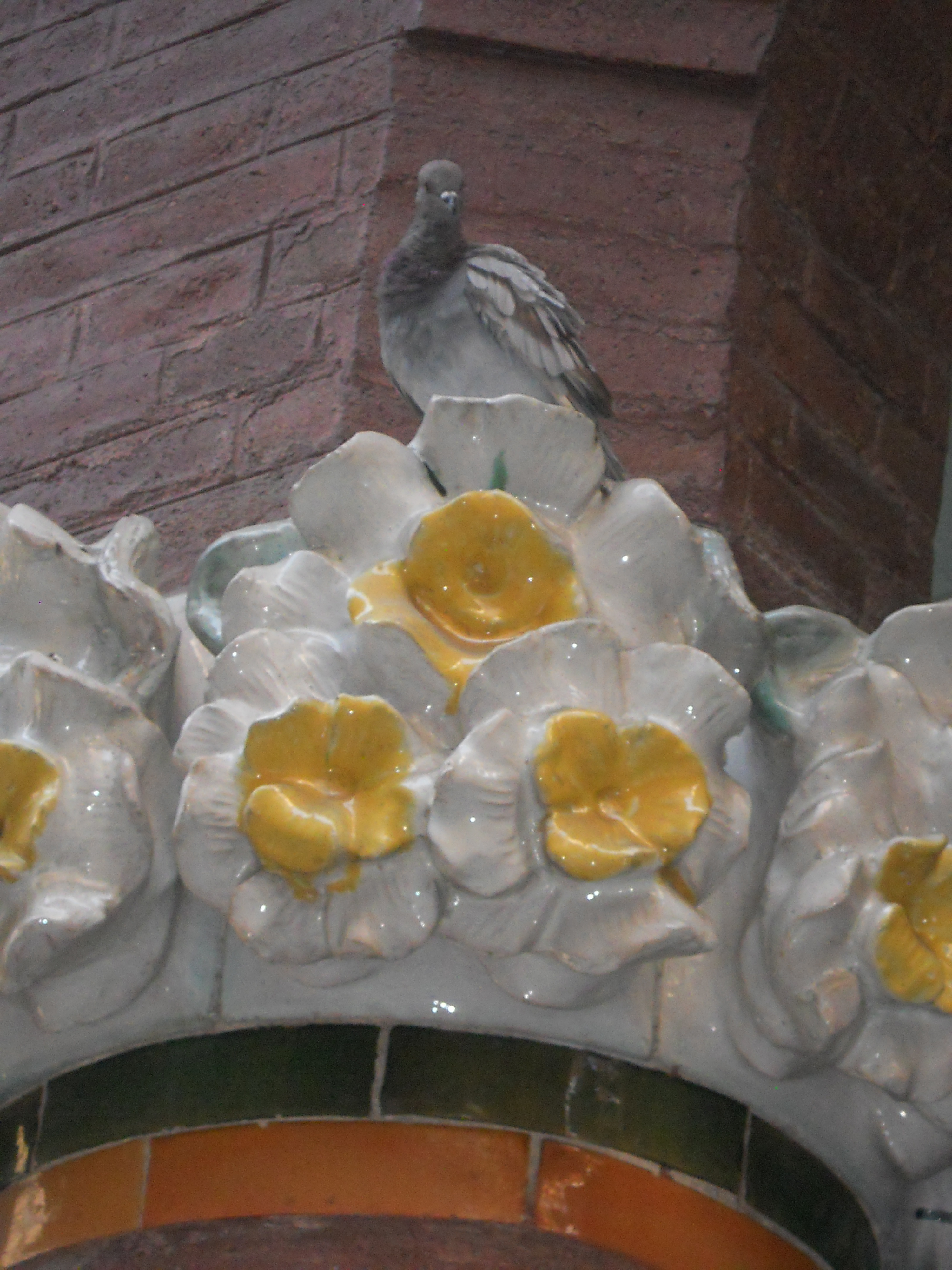
the mosaic work in the Palace of Catalan Music facade is amazing!

wow!

home sweet home for this little dove

this is surely the most exuberant music palace you will ever see!

Made in Japan

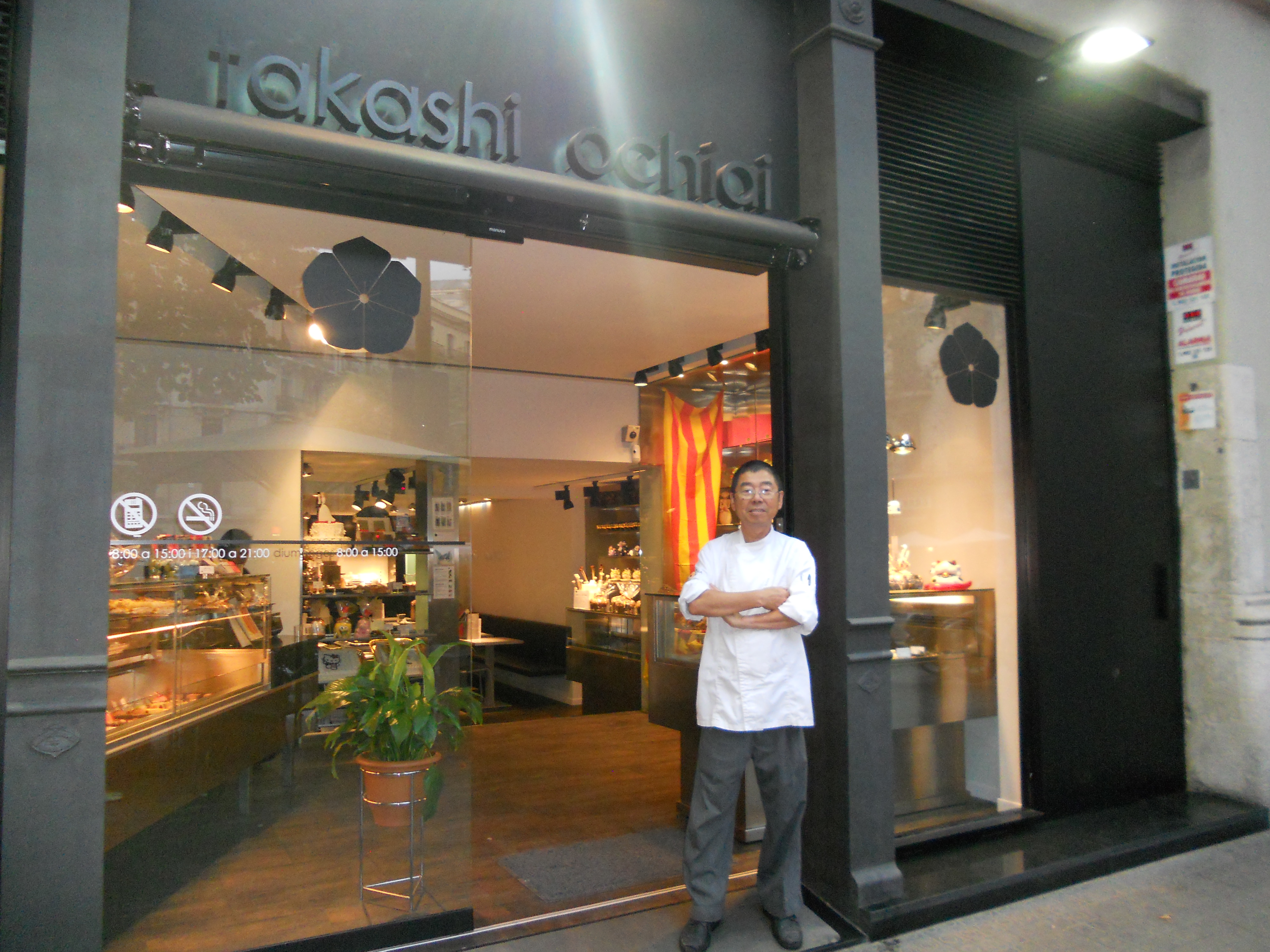
Is it possible to find authentic Japanese desserts, pastries, cakes and even chocolates in Barcelona?. The answer is: Sí! and by the hand of the well-known Pastry Chef: Takashi Ochiai. He is the only Japanese pastry chef that has his own patisserie in Spain.

Chef Takashi Ochiai opened his first patisserie in 1983 and since then, you will find him every day in his “obrador” (pastry kitchen), working with so much passion and creating a wide repertorie of delicious Japanese pastries and treats. As Chef Ochiai’s own words will state: “everything at my patisserie is made in Japan; from the chef to the chair you sit in my tea room”. This Chef fidelity to his country and culture makes “Ochiai Pastisseria” unique and exclusive in Barcelona.

Before coming to Barcelona, Chef Takashi Ochiai, was already working in the pastry industry in well-known patisseries and restaurants from the Michelin guide. There, he learnt all about artisanal chocolate work. Time passed by and chef Ochiai decided that it was time to go on a “gastronomic adventure” (sounds familiar…) that brought him to the top restaurants in England where he worked and learnt from French Chefs all about “avant-garde” culinary and pastry creations. Once in England, Chef Ochiai not only made peace with his inner ambition of learning more, but he also met his lovely wife: María Carmen, who happened to be from Barcelona. And we all known what that meant: destiny was calling again to Chef Ochiai, and a new door was opening up before his eyes!. This young couple moved and settled down in Barcelona where they opened their first patisserie.

In the beginning, chef Ochiai only offered pastries to the taste of the “Catalan palate”, you know, “brazo gitano con nata” (swiss roll with Chantilly), “ensaimadas” (traditional flat pastry with pastry cream), and more. But destiny was going to knock his door again and this time by the hand of a Japanese business man who found very strange to see a Japanese pastry chef making “Catalan” pastries. That was a time of reflexion for Takashi Ochiai who understood that he needed to come back to his roots, to his culture and the flavors of the beautiful Japan.

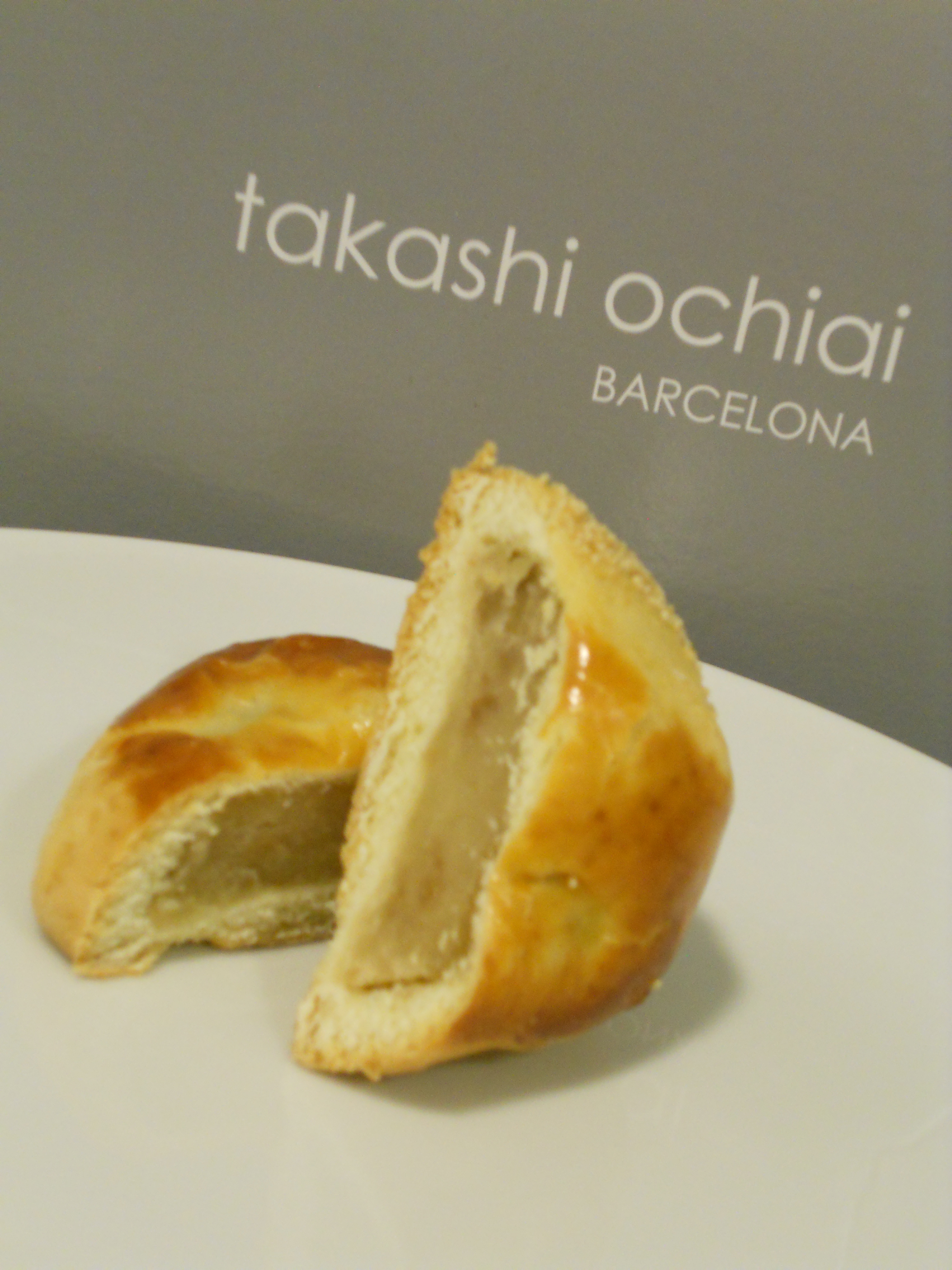
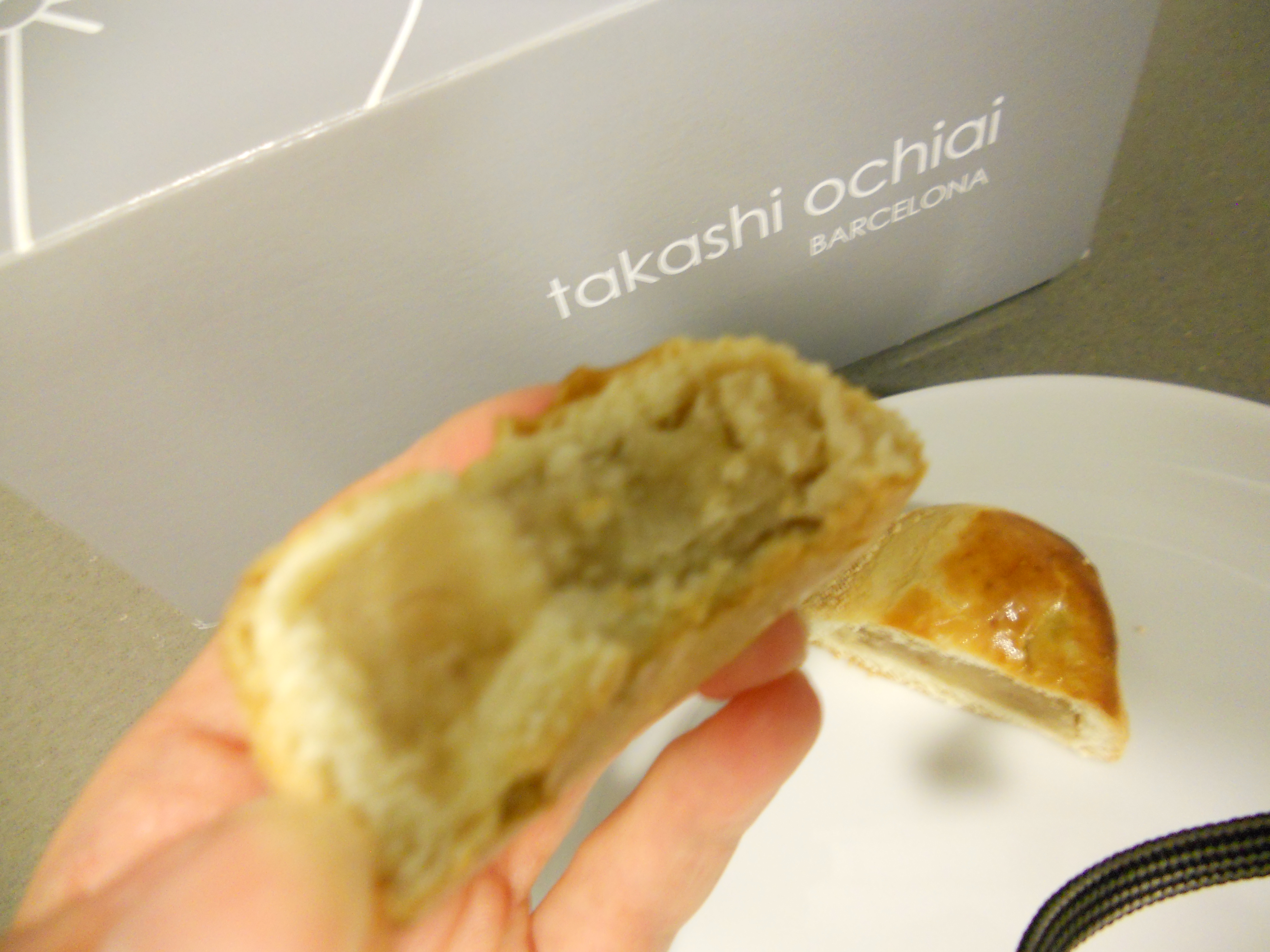
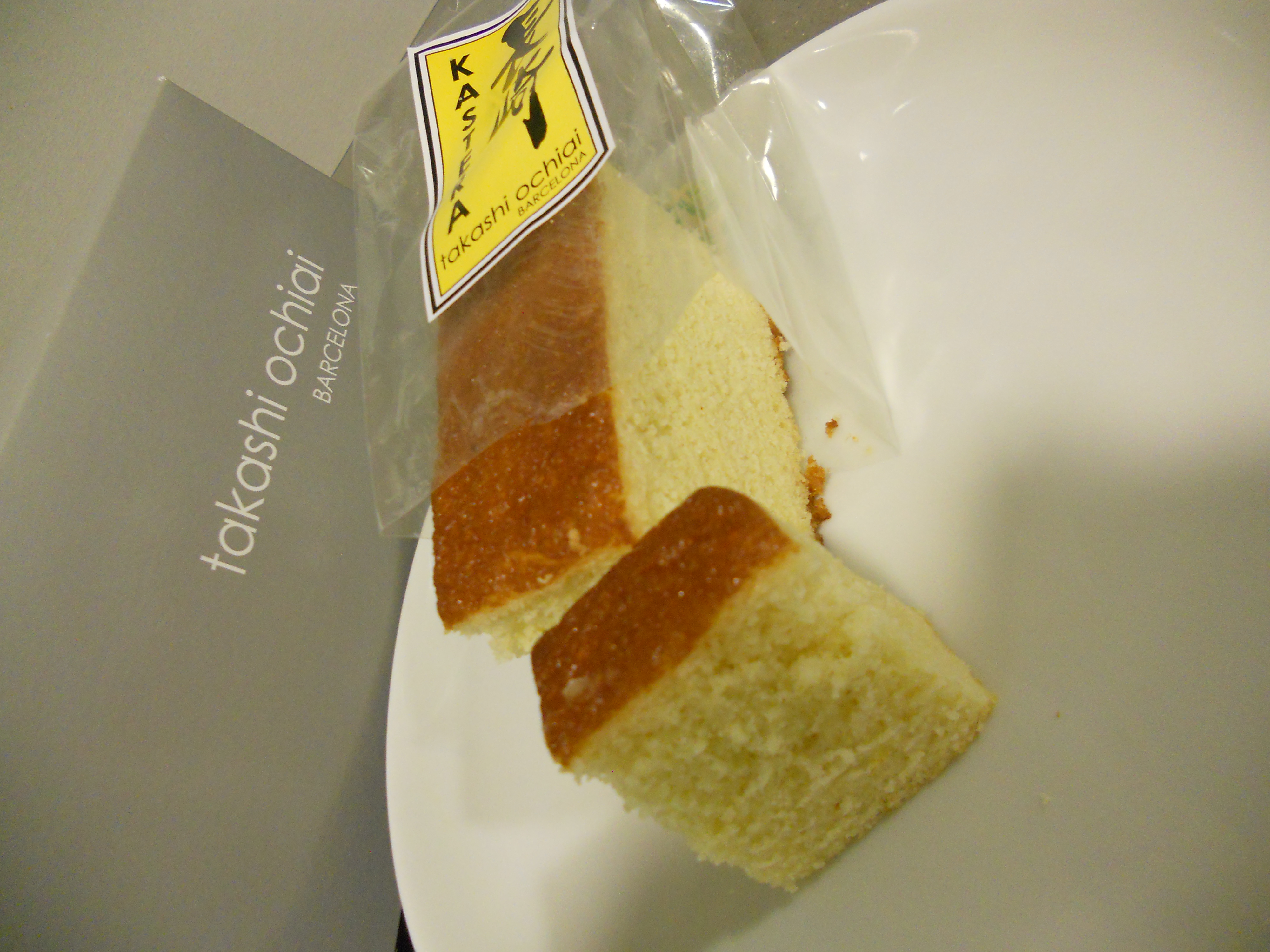
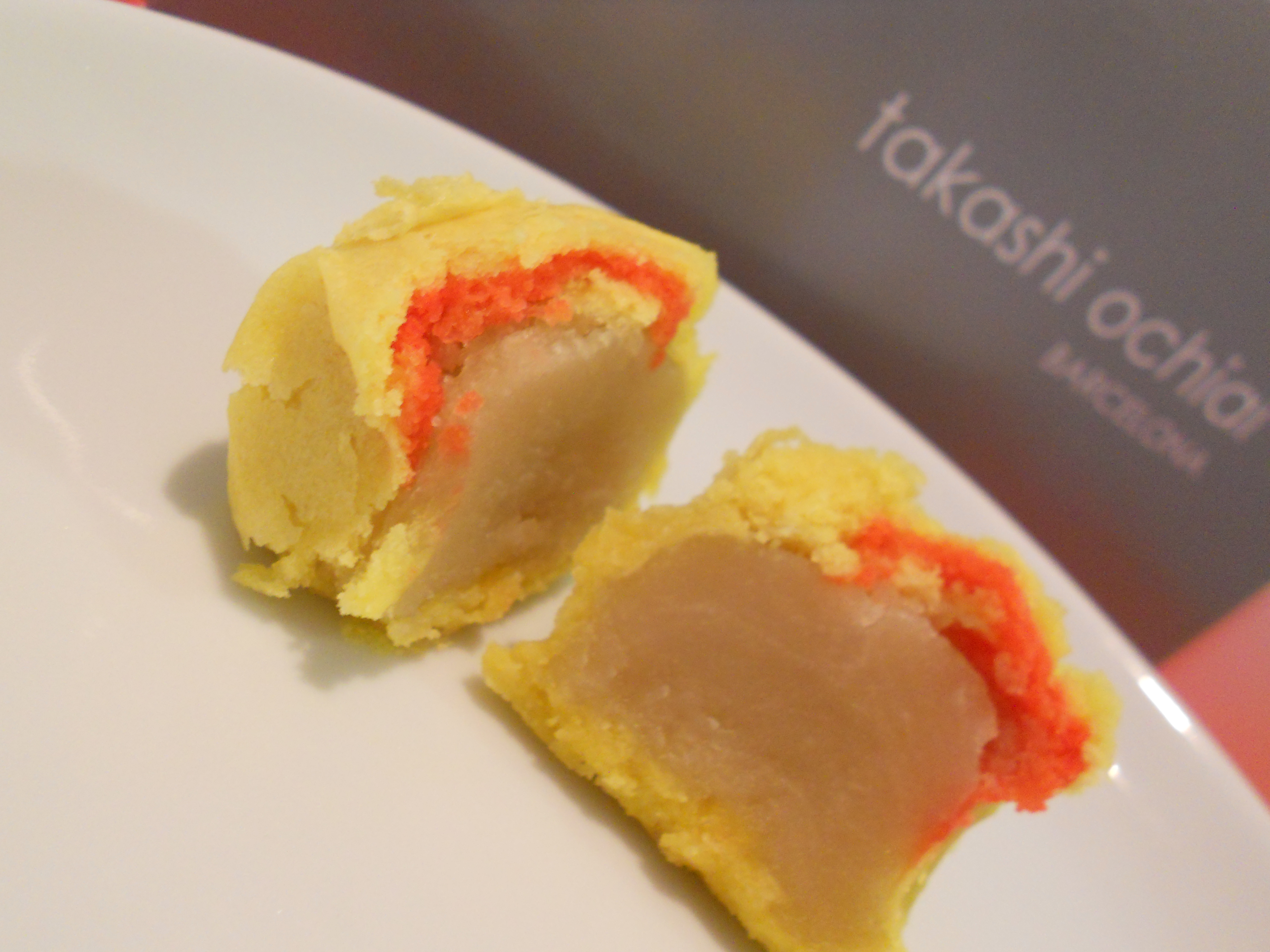
Nowadays, at “Ochiai Pastisseria” we can taste the authentic flavors of Japan in each bite. From “dorayaki” (biscuit filled with soybean confit that is famous because it is the delight of the kid’s cartoon character named Doraemon), “green tea mochi” (a best seller), “kurimanju” (paté brisé dough filled with chestnut confit), “kimishigure” (made with white soybean paste and egg yolk soybean paste), “kastera” (a very moist sponge cake that was brought to the city of Nagasaki in 1543), to traditional cakes, tarts (like yuzu mousse tart), chocolate truffles,  and much more!

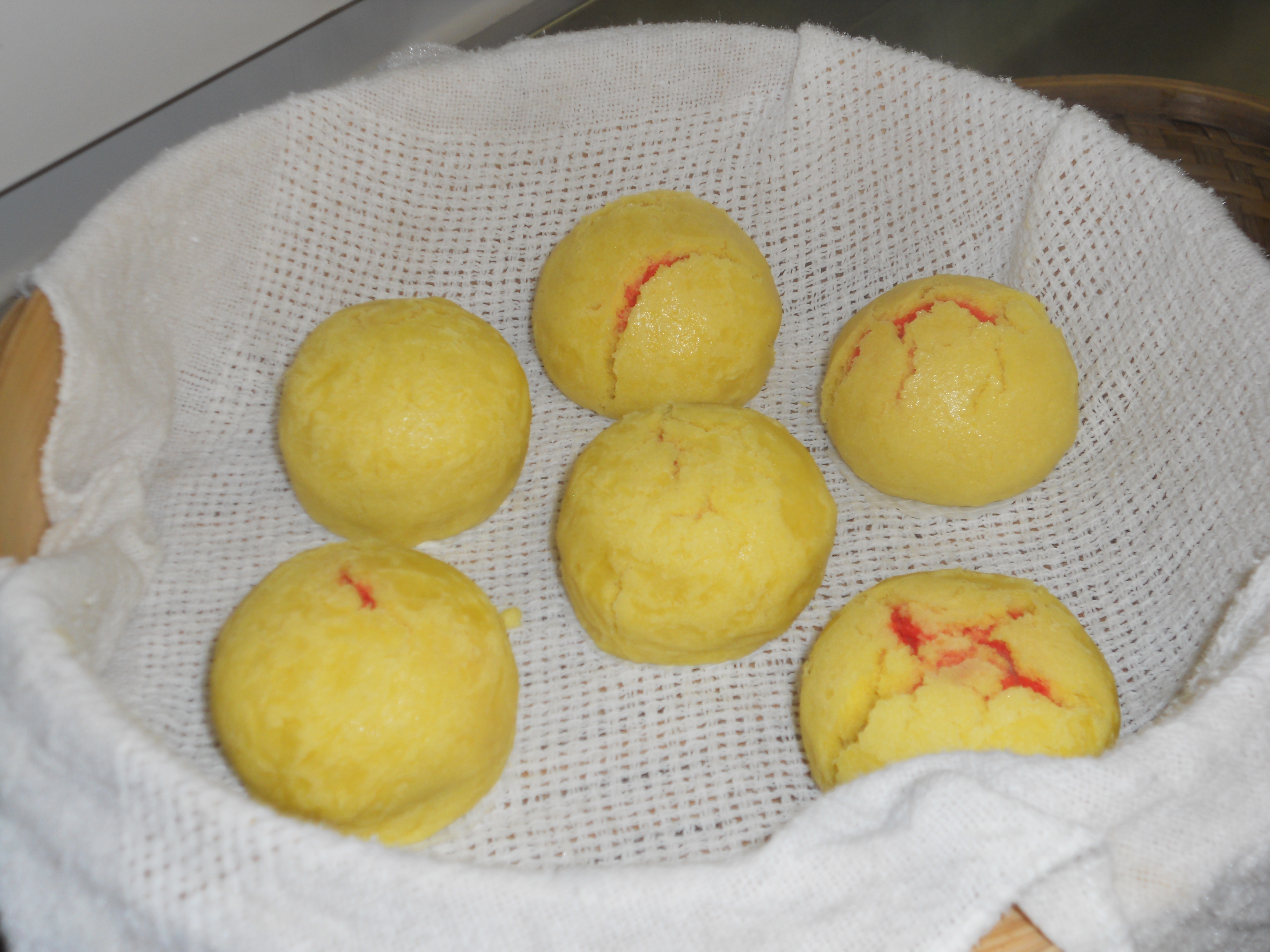
“kurimanju” before

and “kurimanju” after

unwrapping the goodness of this “Kastera” super moist sponge cake with delicate flavors

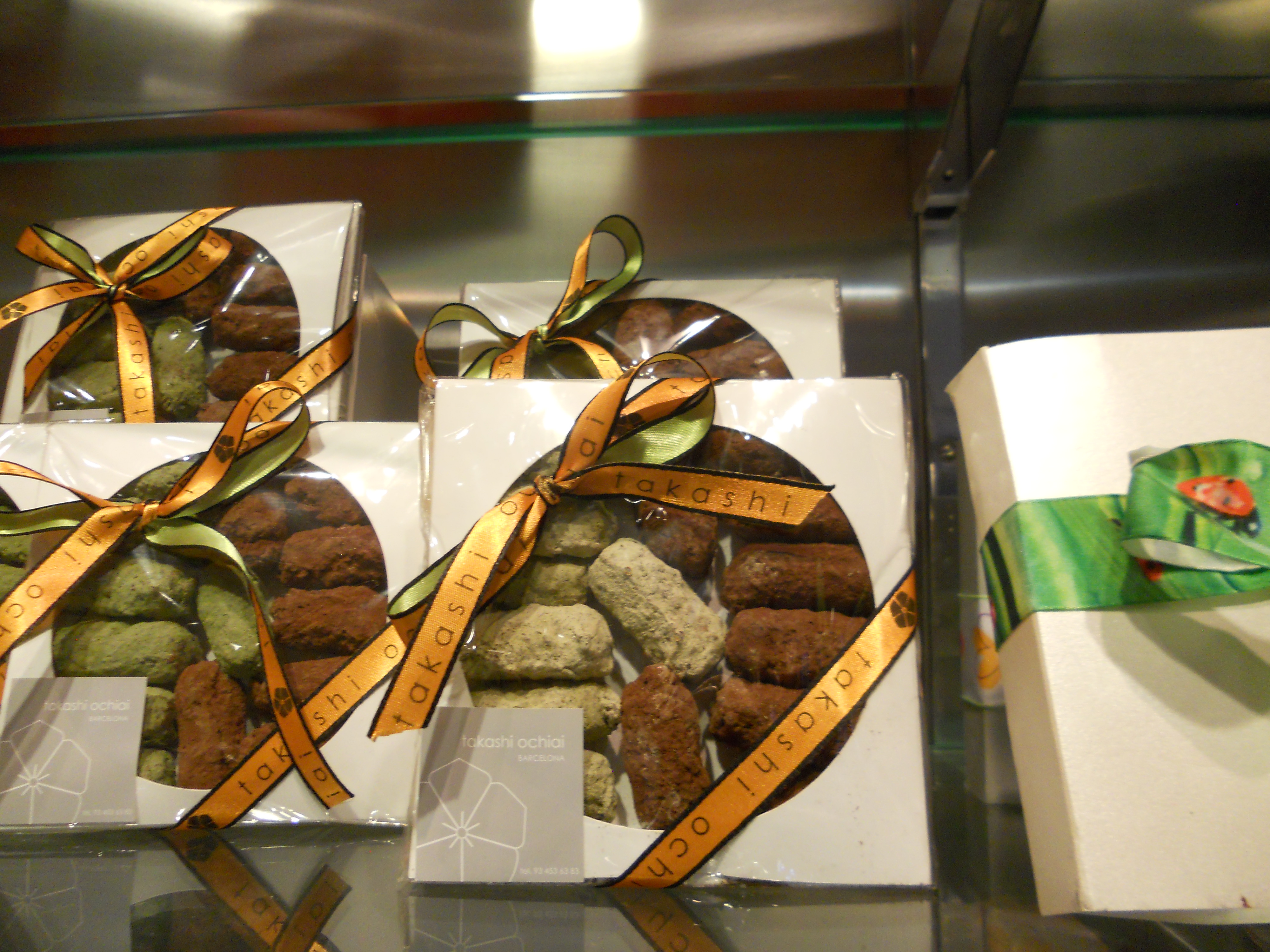
“Matcha- passion fruit” and chocolate truffles ready to go in a nice packaging imported from Japan

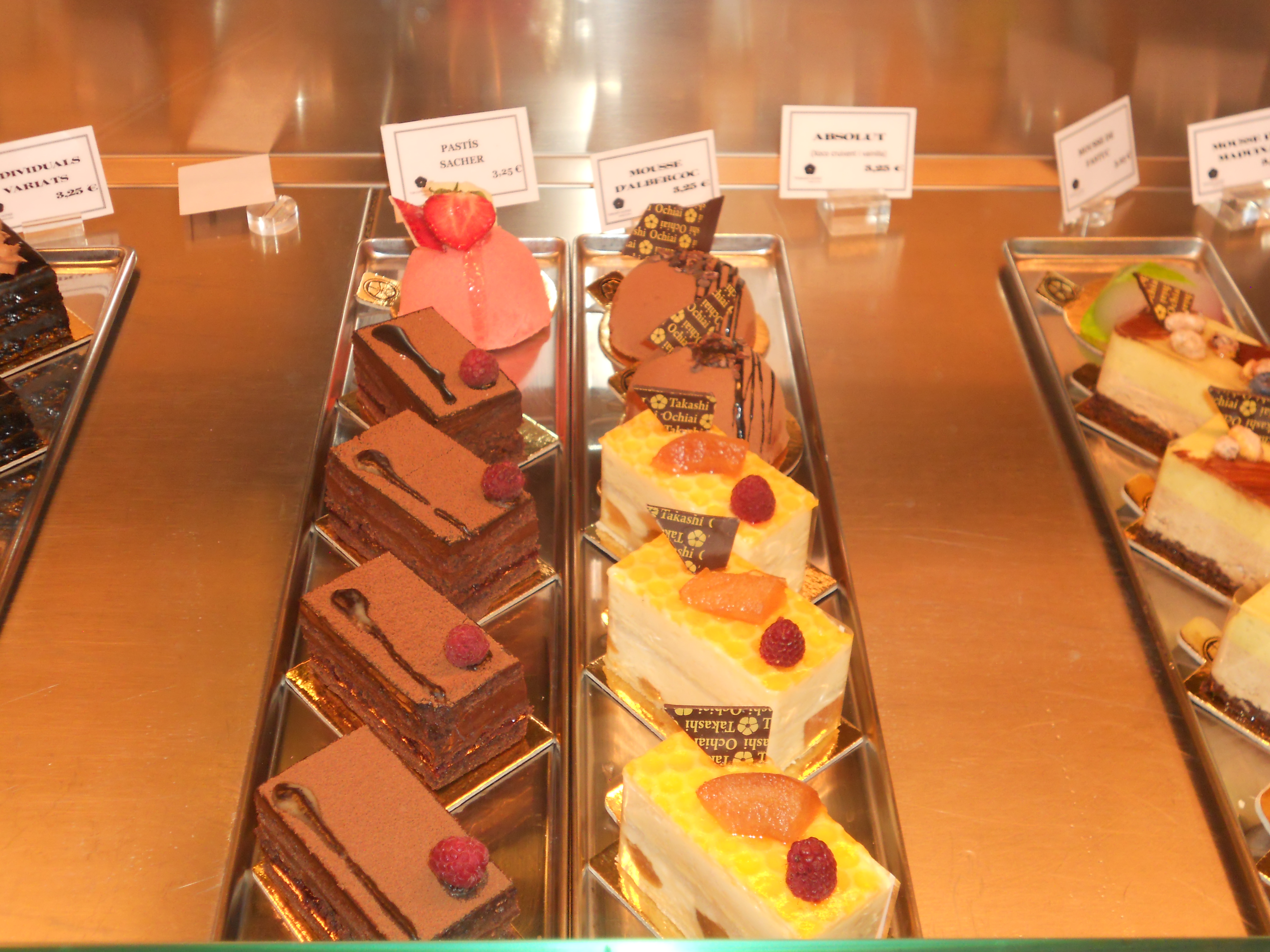
chocolate-mint mousse, Opera cake, Mont blanc, yuzu mousse, Matcha and raspberry mousse, yogurt and mango mousse, are many of the individual tarts and cakes you can find at the patisserie

Isn’t it cute?… it is the “Erizo” cake! … sponge cake, heart of chocolate mousse, chocolate ganache and toasted pine nuts. A delicious cake for a child or for an adult with a child’s heart… your choice.

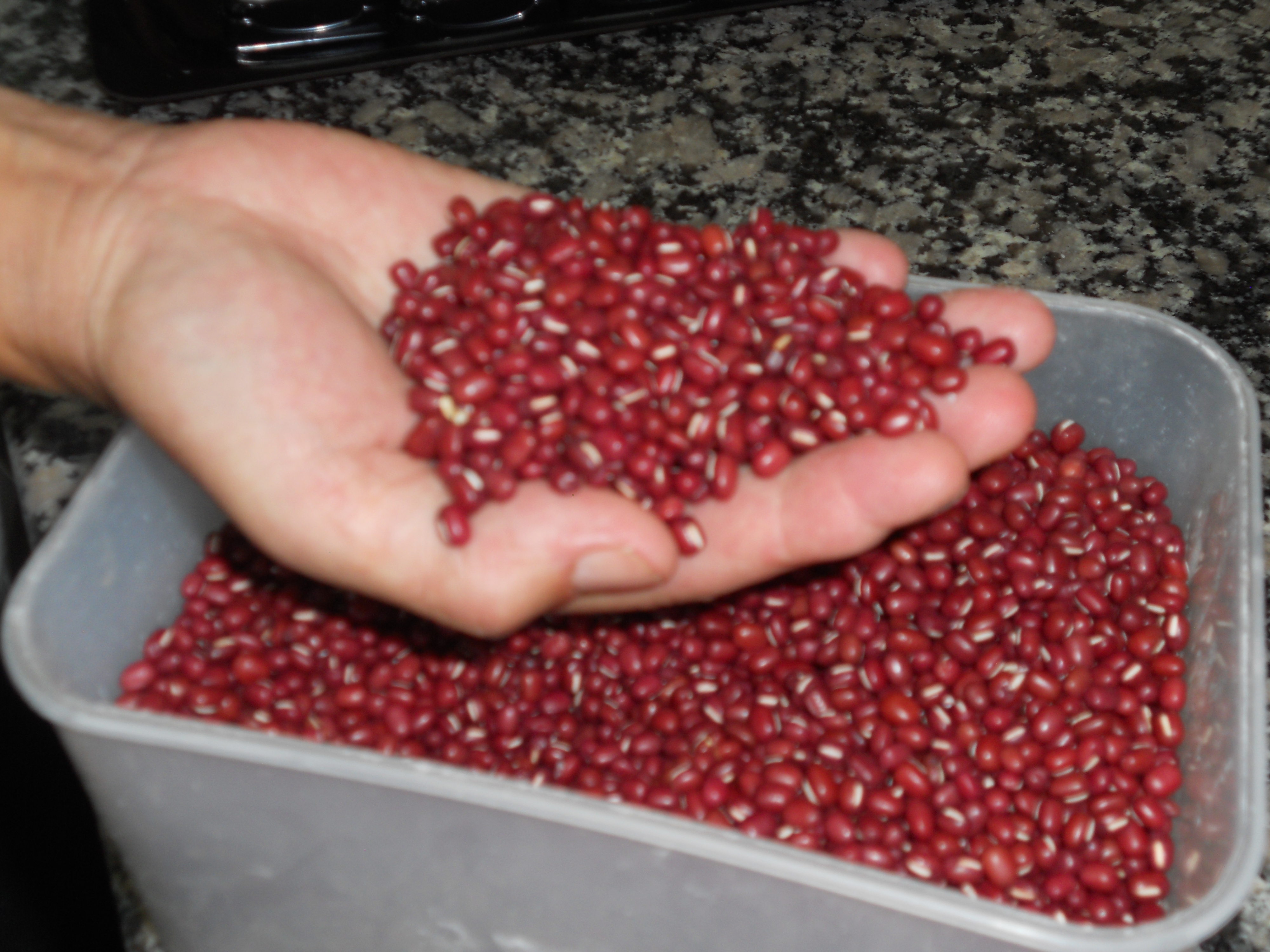
These Asian soybeans named “Azuki” are the stars of most of the Japanese desserts and pastries

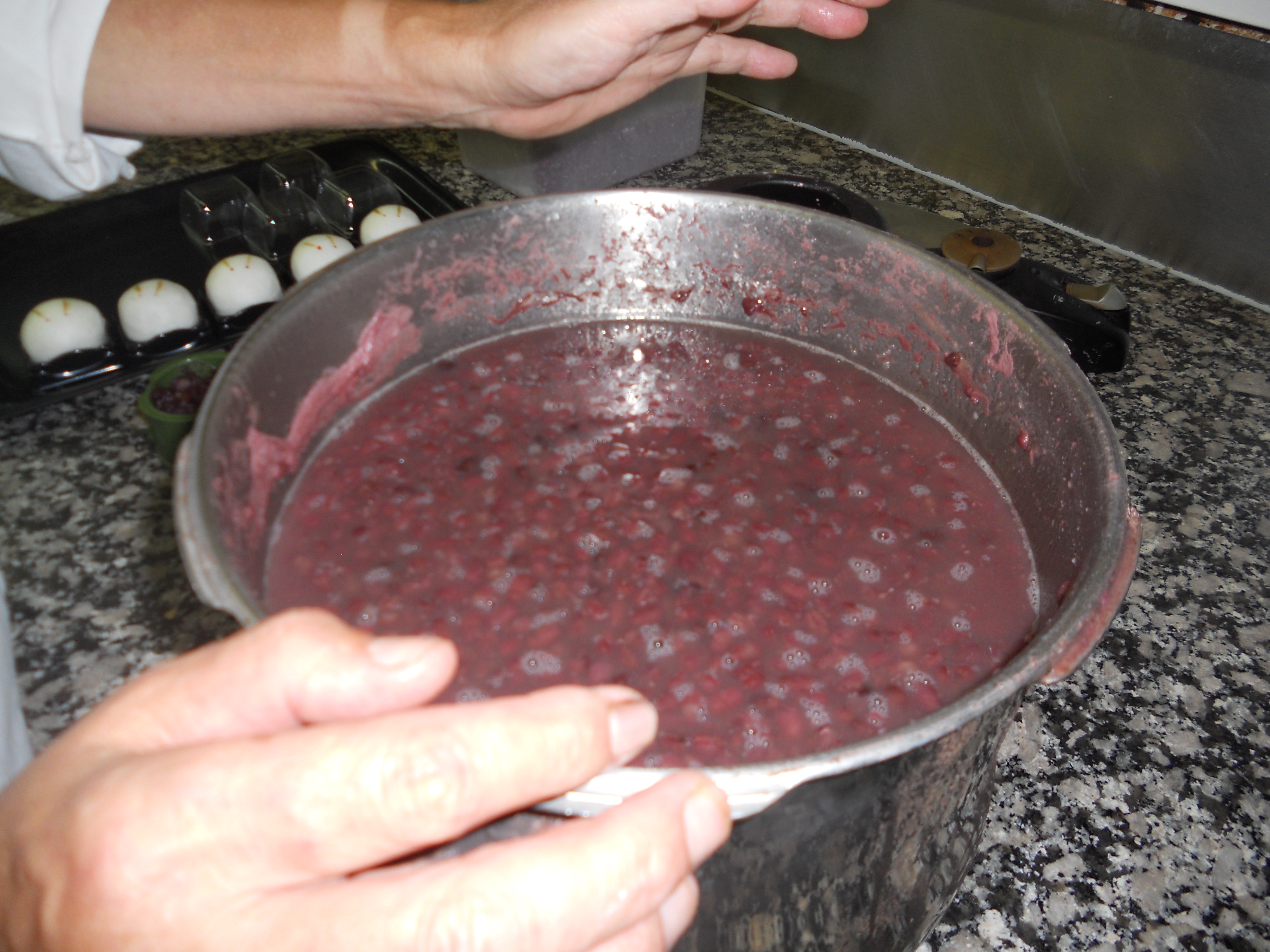
The “Azuki” soybeans are simmered in a pot with water and sugar for 12 hours to obtain the soybean confit that will be incorporated in some of Chef Ochiai’s creations

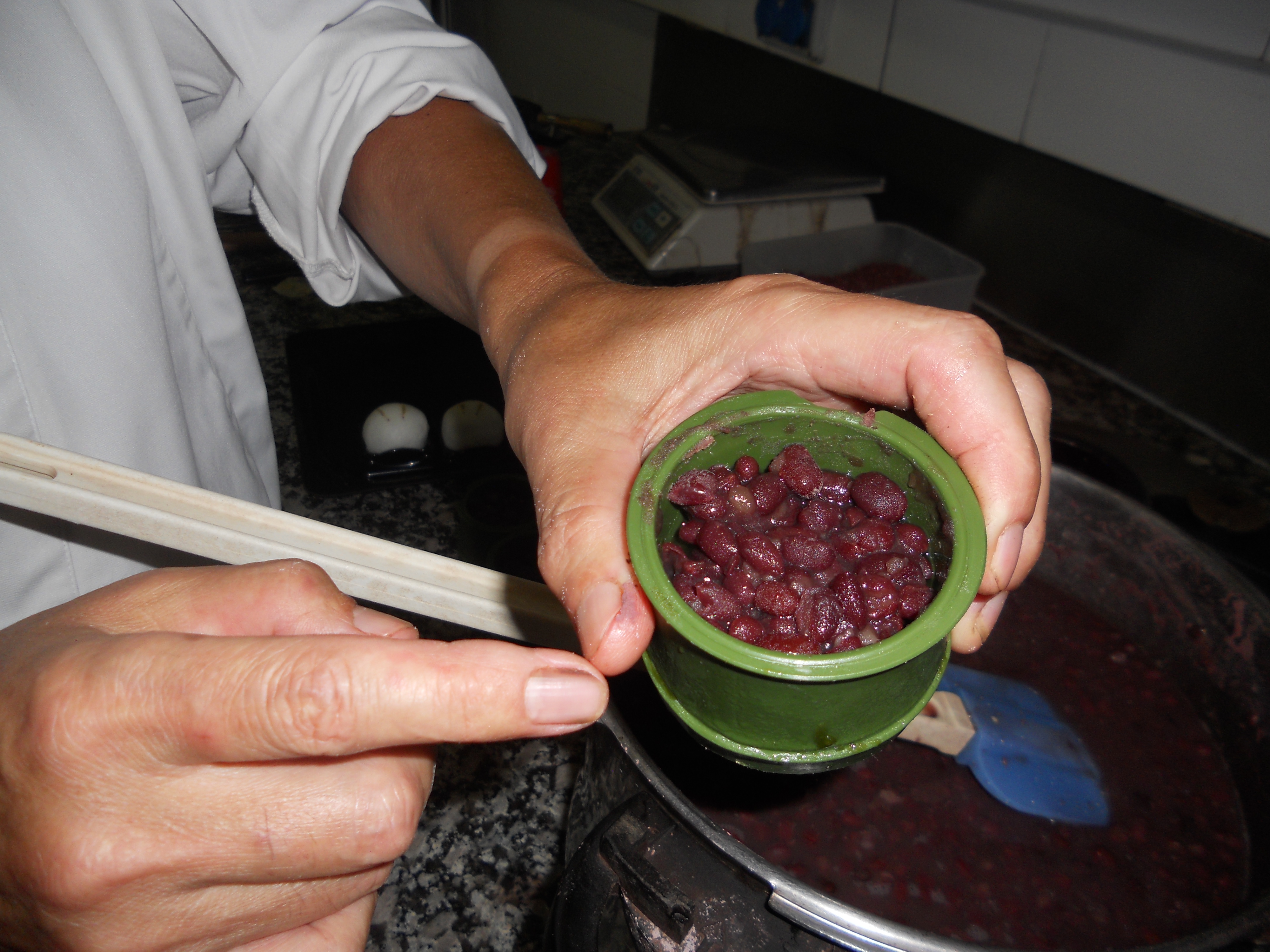
“Azuki” Soybean confit that is used in many traditional Japanese pastries like: “Daifuku”, “Fumanju” and “Dorayaki”

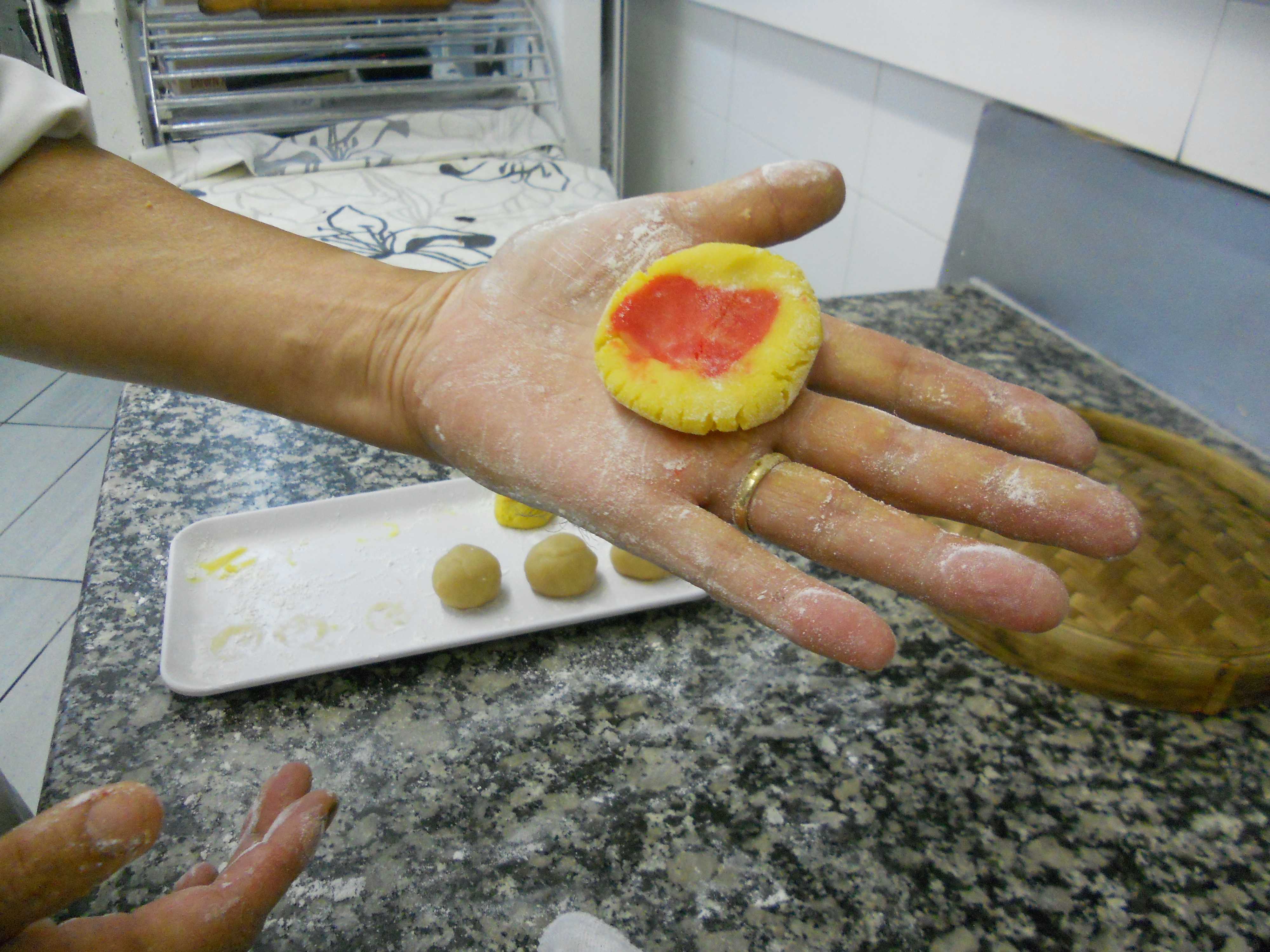
Chef Ochiai makes “kimishigure” by first flattening the soybean-egg yolk paste with red food coloring

Then, he adds the white soybean paste in the center being careful to keep the same consistency in both pastes. That will help us to obtain a “kimishigure” that will not break during the steam cooking process

Prepare those hands because it is time to be shaped into a round nice “kimishigure”

After cooking in a Japanese bamboo covered steamer for ten minutes our “Kimishigure” are almost ready to be tasted!

Oh, you are looking so good “kimishigure”!… ok, I will let you cool off at room temperature for a while, but after that, you are all mine!

The Master and the masterpiece!

yummy! …

So, now you know, if you ever come to Barcelona and your cravings call for authentic Japanese pastries and dessert: “Ochiai Pastisseria” is the place to go. You can either enjoy the Chef’s creations at his tea room or bring some home, like this nice box of assortment pastries packed exclusive “pour moi”. Arigato Chef Ochiai!

Walking down “La Rambla” and finding my sweet tooth

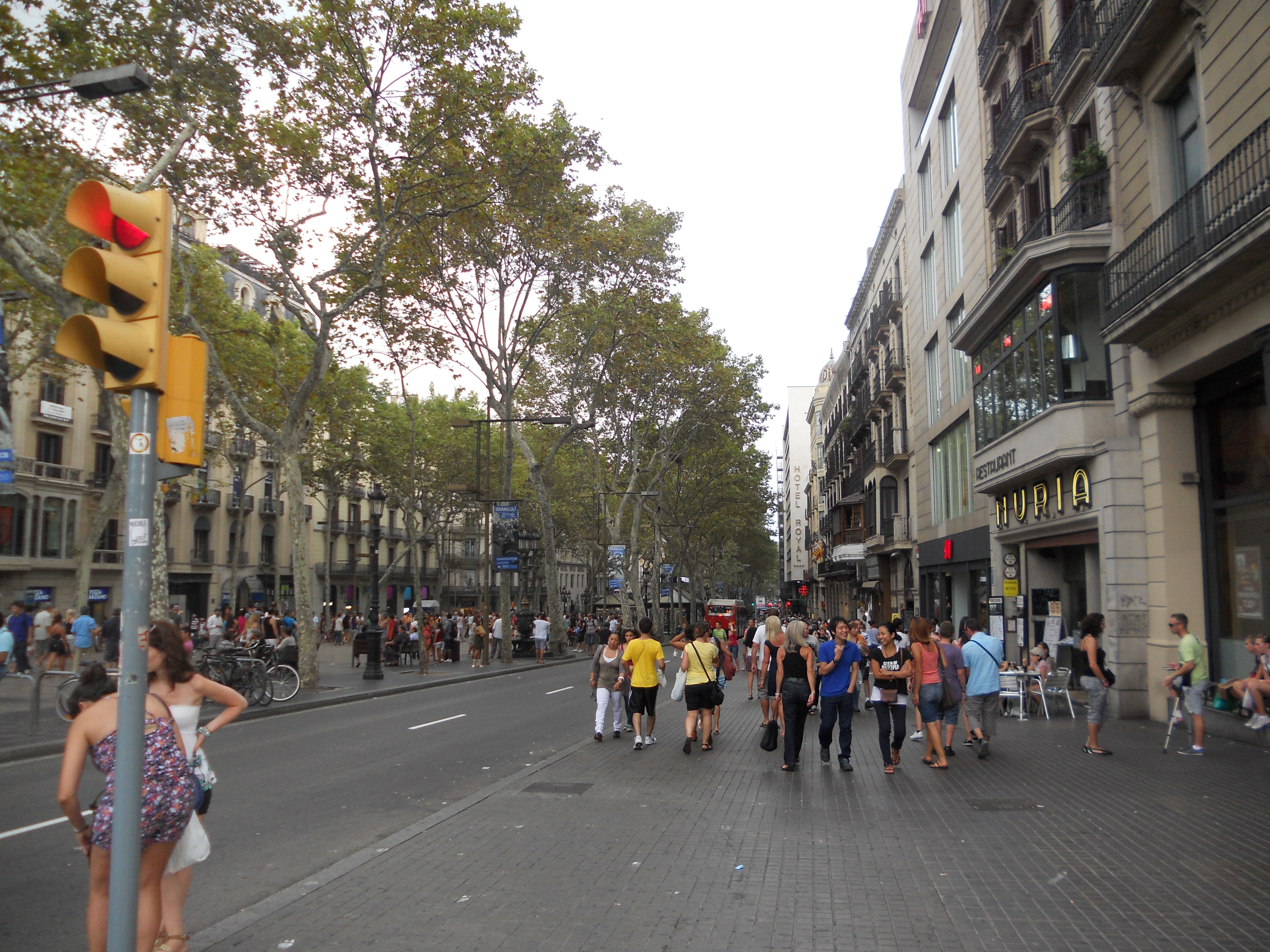
“La Rambla” , in the heart of the City, is Barcelona’s great strolling boulevard and the centerpiece of life in this Catalan capital. You can find crowds at all hours of the day filing past vendors, food markets, cafes, and historic buildings.

Walking down the main avenue of “La Rambla”  you will find a lively sucession of newspaper kiosks, fresh flower stands (with cheaper prices than other parts of the city), bird sellers, candy stands, and crowd-friendly human statues in their costumes and face paint (my apologies that I was not able to take their pictures yet, but some of these human statues look so real and scary …).

“La Rambla” is actually composed of five smaller streets (Rambla de Canaletes, Rambla del Estudis, Rambla de Sant Josep, Rambla dels Caputxins, and Rambla de Santa Monica). Each street has its character that makes it unique and attractive in its own.

Walking down this streets you really have to watch your valuables, meaning: get your purse close to your sight and avoid distractions. Kind of hard thing to do when you have so many things that are trying to catch your attention, like those vendors who make peculiar noises like bird singing, in order for you to come closer to them.

Despite all the nice and attractive shoe and fashion stores (ok, you guessed it again, I am crazy for fashion too!) that I could also find at “La Rambla”  and the temptation of getting into the shopping mode, I was determinated to get my mission done. I was in the search of one of Barcelona’s oldest and best-known pastry and chocolate shop since 1906. This little shop on “La Rambla” with a shimmering Modernista exterior of colorful broken glazed tiles, á la Gaudí, is one of the 3 shops owned by the succesful Escribá family. A stop here was essential!

This little shop has a nice tea salon inside and an outdoor cafe as well. I got some pain du chocolat and croissants to go and definetely I will be back for more!. From bollerías (bread), artisan chocolates, seasonal pastries to wedding cakes, this patisserie is worth to be visited.

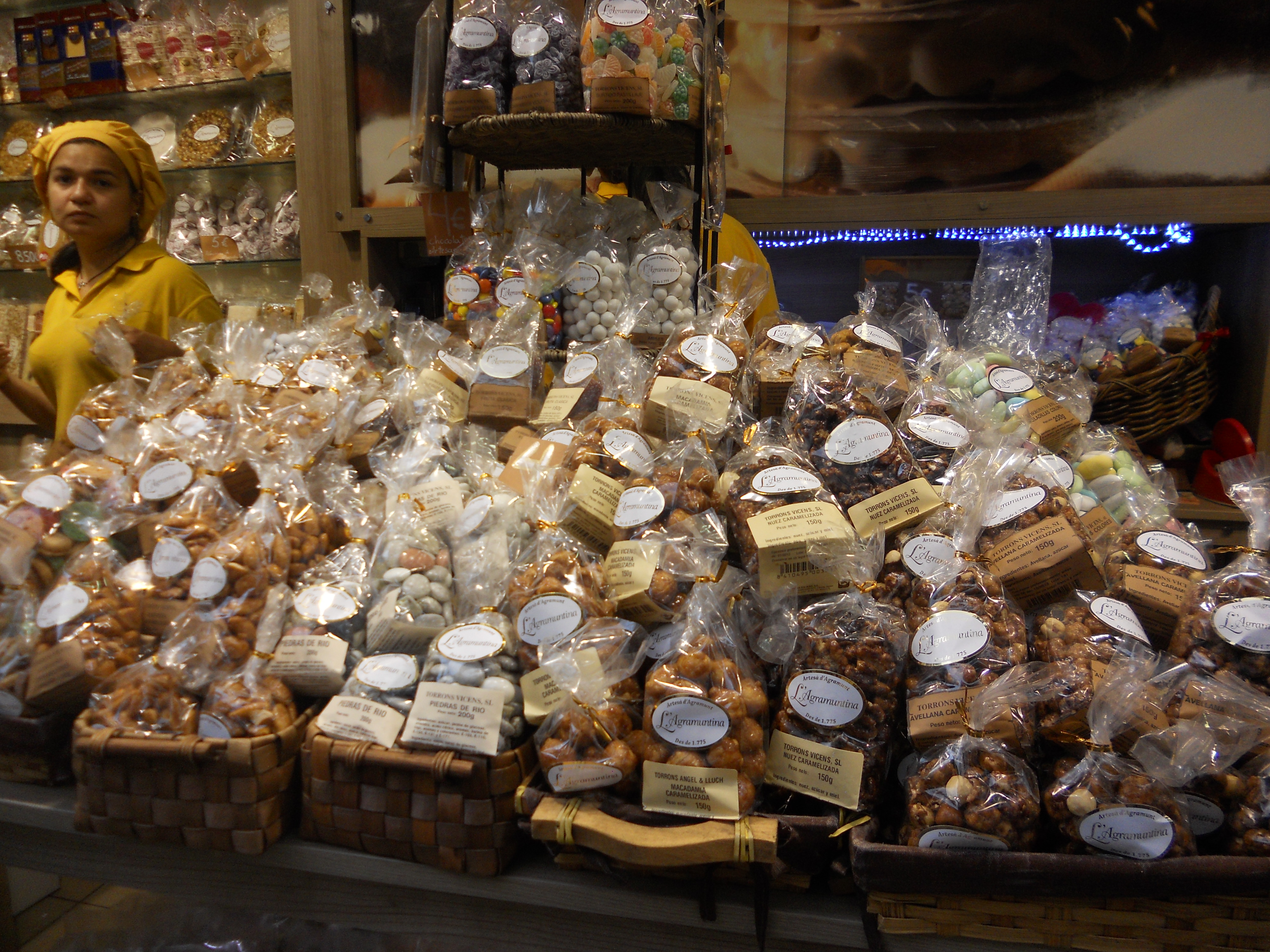
All along “La Rambla”  you will find more sweet spots where you can delight your eyes and satisfy your cravings for sweets


candies, nougats, candied nuts, chocolates, pastries ….

cookies, caramelized nuts …

Xocolata a la pedra (chocolate brick) is what you need to achieve a delicious, thick and rich hot chocolate with whipped cream, known as a suís (Swiss), very popular in the cafés

assortment nougats

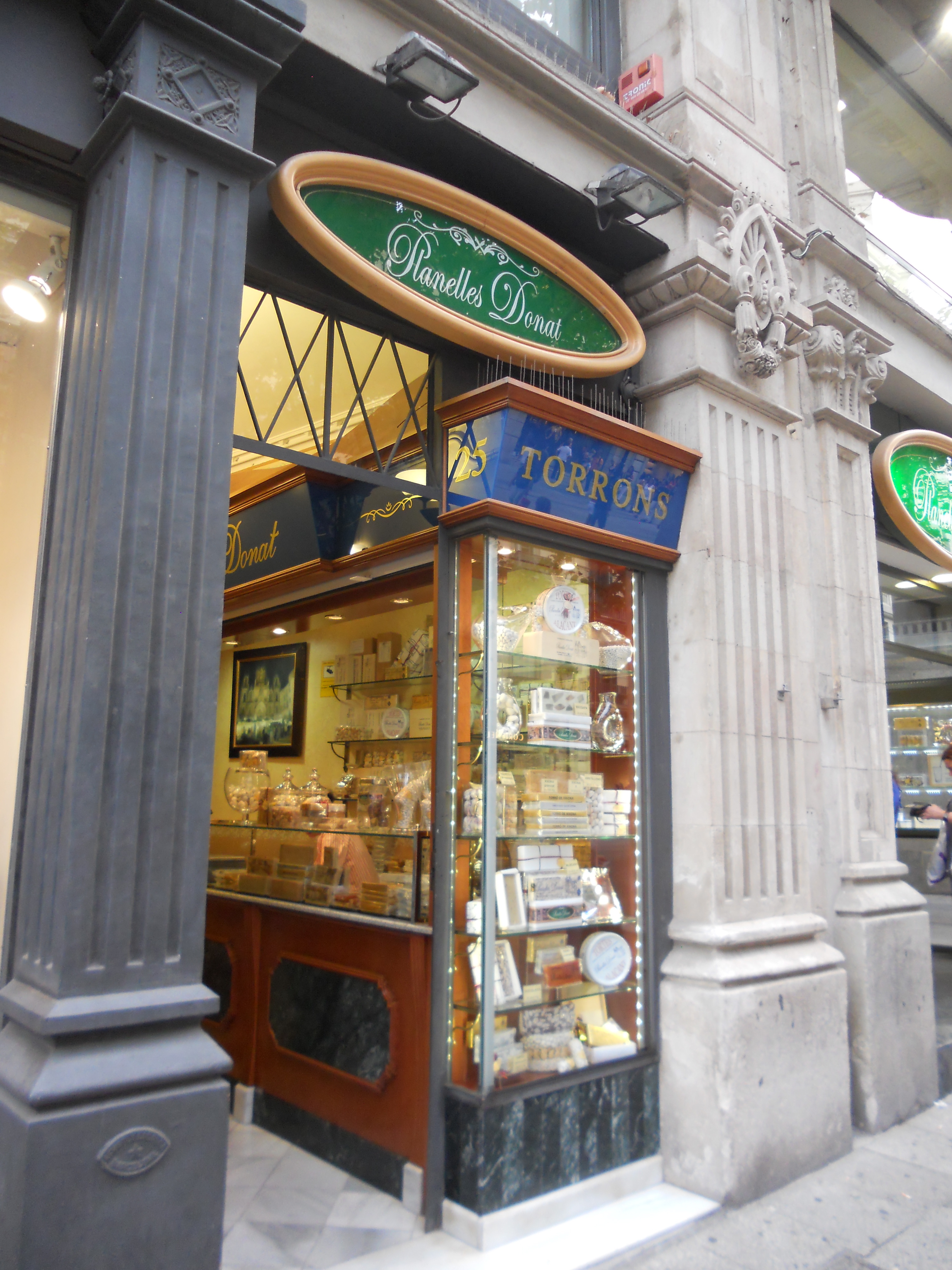
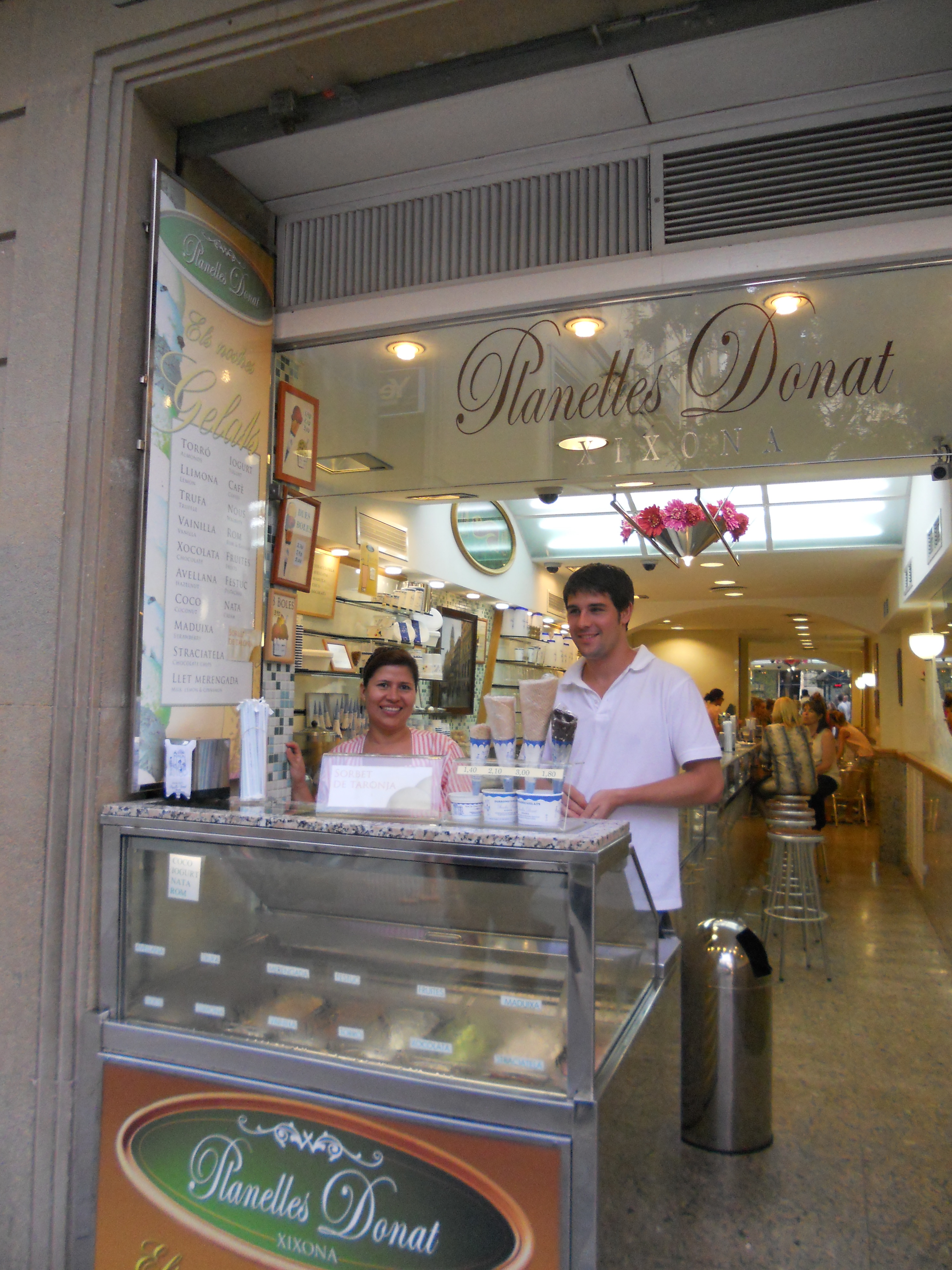
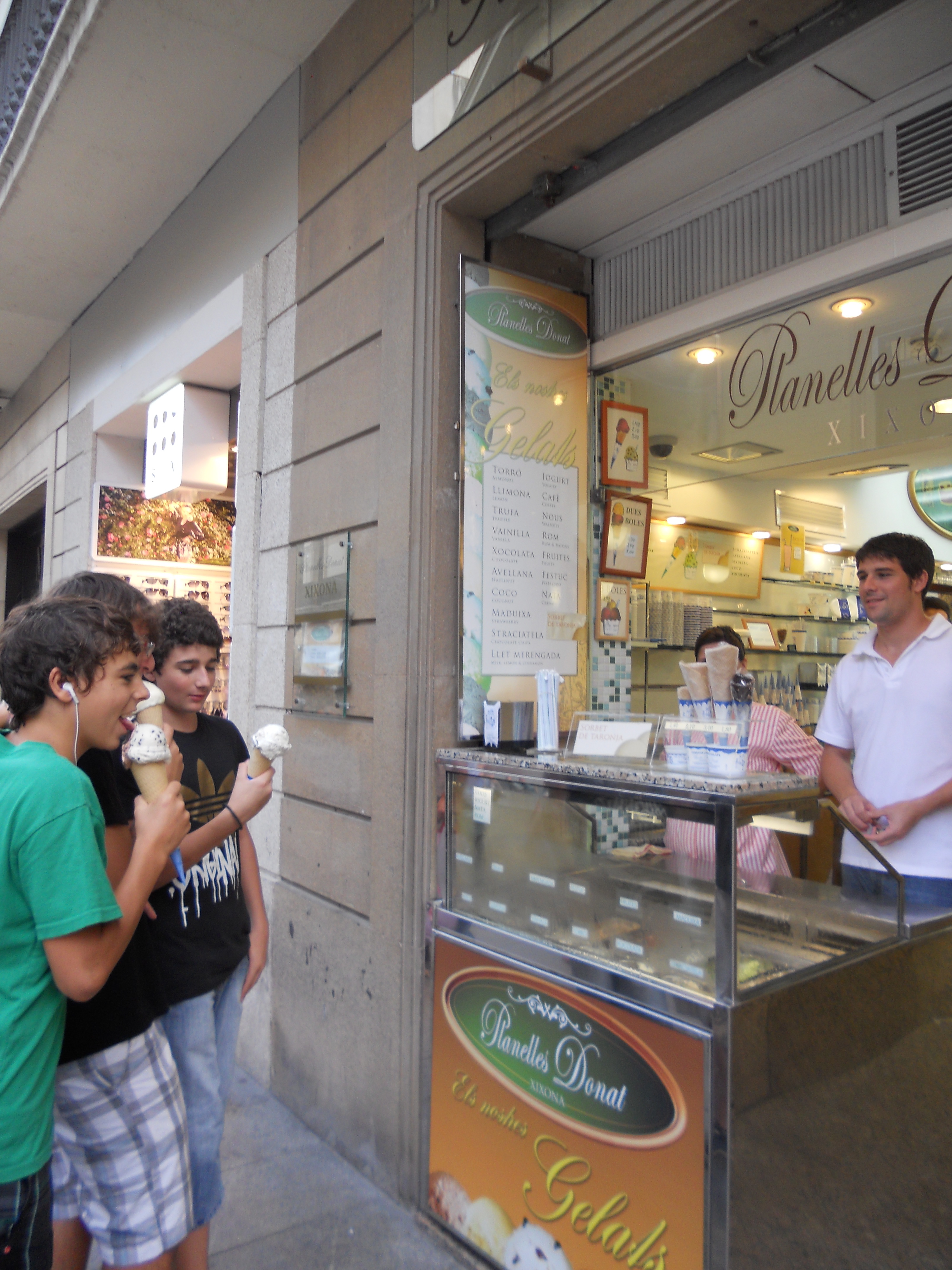
Very close to La Rambla, we can find another jewel in the pastry shop world named: “Planelles Donat”


The family Planelles Donat has known to transmit during generations (open since 1850) the spirit of quality and tradition in the elaboration of its “torrons” (nougats) and small sweets based on marzipan with diverse forms and flavours called “panellets”

In addition to the assortment of delicious “torrons” and “panellets” made with pine nuts and those flavored with coffee, lemon or quince among many others, at “Planelles Donat” we can find ice creams and tiger nut milk, “Orxata”. This is a whitish milk liquid that is obtained from a tiny and very tasty tuber: the tiger nut!

Being advised by my friend Jacky, I asked specifically for the “Xixona torron”. This delicious nougat is made following the traditional production based in almonds, sugar, honey… it has an oily and granulated texture that is achieved by carefully toasting the almonds and mixing them with honey. Those of my friends addictive to the Argentinian nougat called :“Mantecol” will love this Xixona nougat.

I have to confess that after buying these sweet treats and taking them home, I literally devoured this “torron”. It was so good that I could not stop eating it.. ok, I did share some with my friend but the rest of it was ALL mine. Extra time at the gym followed….

Barcelona: a city where art, history and gastronomy shines!

Just one day before my birthday and after almost eighteen hours of traveling (considering my two stops and five hours waiting in London airport) I had arrived to Barcelona in Catalunya, Spain, where our new culinary journey begins.

When I was considering how to start this new post, one of the pictures of my own gallery from:“Mercat de La Boquería” (La Boquería food market) in “paseo de Las Ramblas” (Las Ramblas street), called out its name. What a better way to start posting about Barcelona than the epic of its culinary world!. I love visiting markets as they are a reflecion of the life of cities and towns.

In the heart of the city, the market of “La Boquería” has always aroused the admiration of visitors and artists. I heard once that this market was called “the Cathedral of the Senses” and since then I could not wait to let my senses get the whole experience.

The modern history of this market dates back to 1830s, when traders who sold in the centre of La Rambla were obligated to move to a new square that had been built where there had been the convent of the discalced Carmelites, the church of Sant Josep and the site of the convent of Jerusalem. Now, if you look closely at the picture of the sign of the Mercat, you will understand the meaning of the words: Sant Josep

Installed in simple stands in the open air and using the pile up fruit and vegetable boxes to place their scales, we are reminded that behind each piece of fruit or vegetable there is a human gesture, and effort linked to nature, the land and the whims of the weather.

It is true that Barcelona is renowned for Modernisme or Catalan Art Noviveau, a widly original style of architecture that flourished in the late 19th and earl 20th centuries. Best known are the stunning works of Antoni Gaudí and so many talented Modernista architects that had painted their mark in this city. But, Barcelona is also known for its gastronomy repertory.

With its rise as a foodie capital in the past decade, this city of Catalunya, now rivals San Sebastián as one of the top eating cities in Europe. And that, my friends, is enough reason to justify my stay in this city.

In addition to haute cuisine restaurants, pastry shops and chef-driven tapas bars by world-known Chefs and restauranters like: Ferrán and Albert Adriá, Joan Roca, Antonio Escribá, Oriol Balaguer, etc, there are scores of both old-school and innovative colmados (grocery stores), chocolatiers and wine shops.

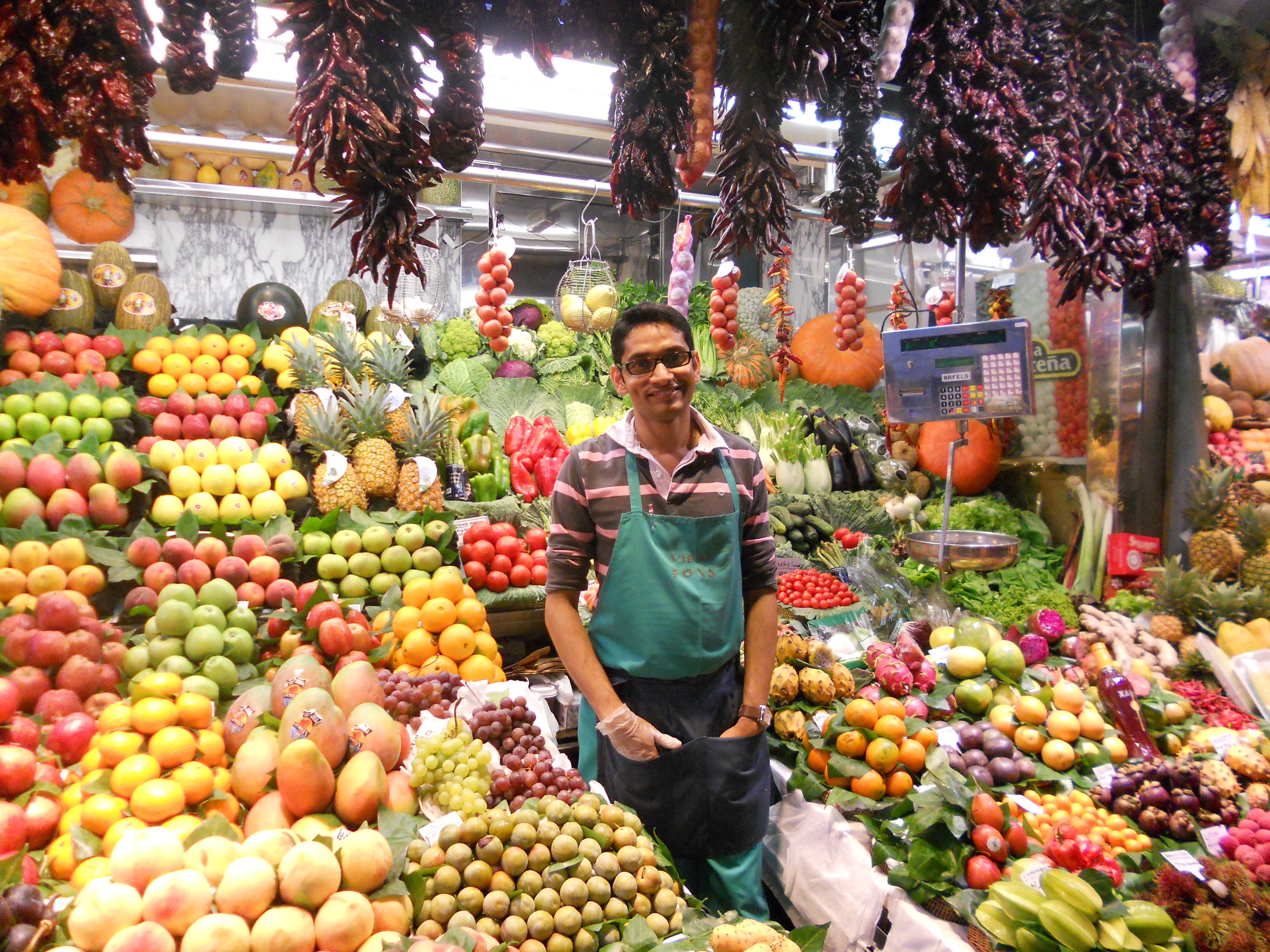
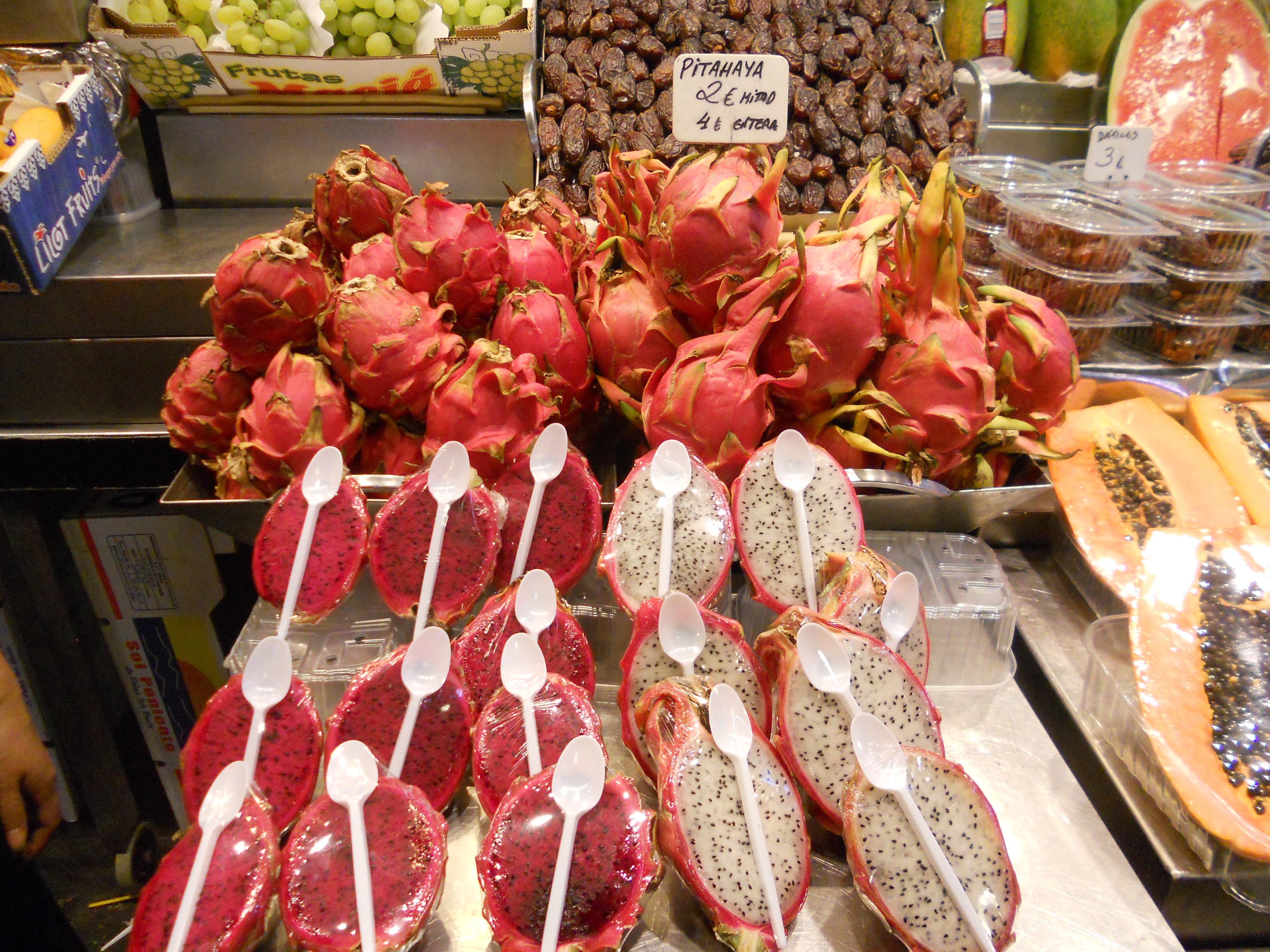
This is not your typical fruit stand. At “Mercat de la Boquería”, my friend José, is so happy to show his colorful repertory of exotic fruits

lychee, rambutan, passion fruit, star fruit… if you can name it, you will find it at this market!

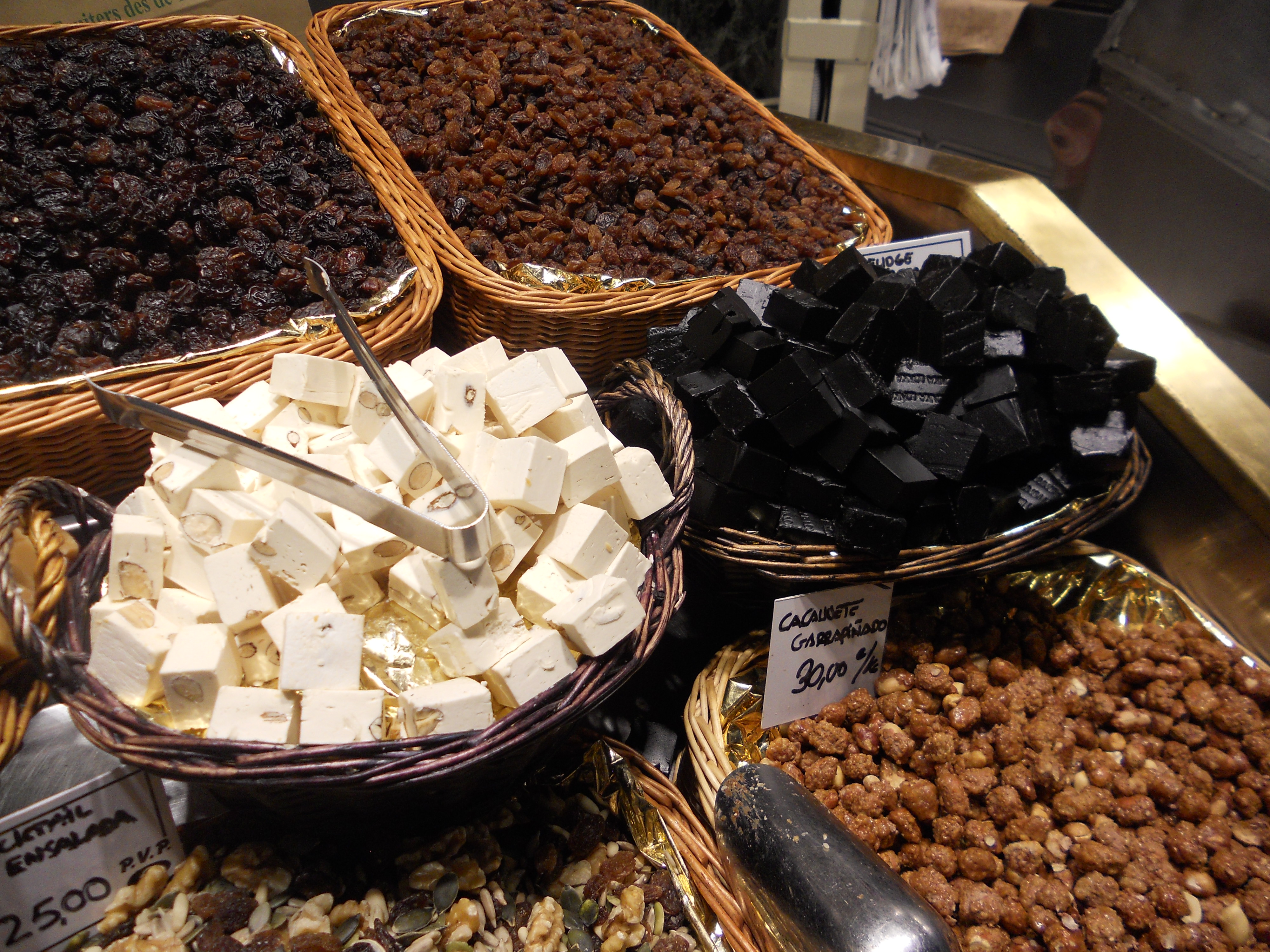
At this food stand or “puesto”, I went nuts!… look at these assortment of macadamia, walnuts, almonds…

“Torrons” (nougat), dry fruit, chocolate and more nuts!…

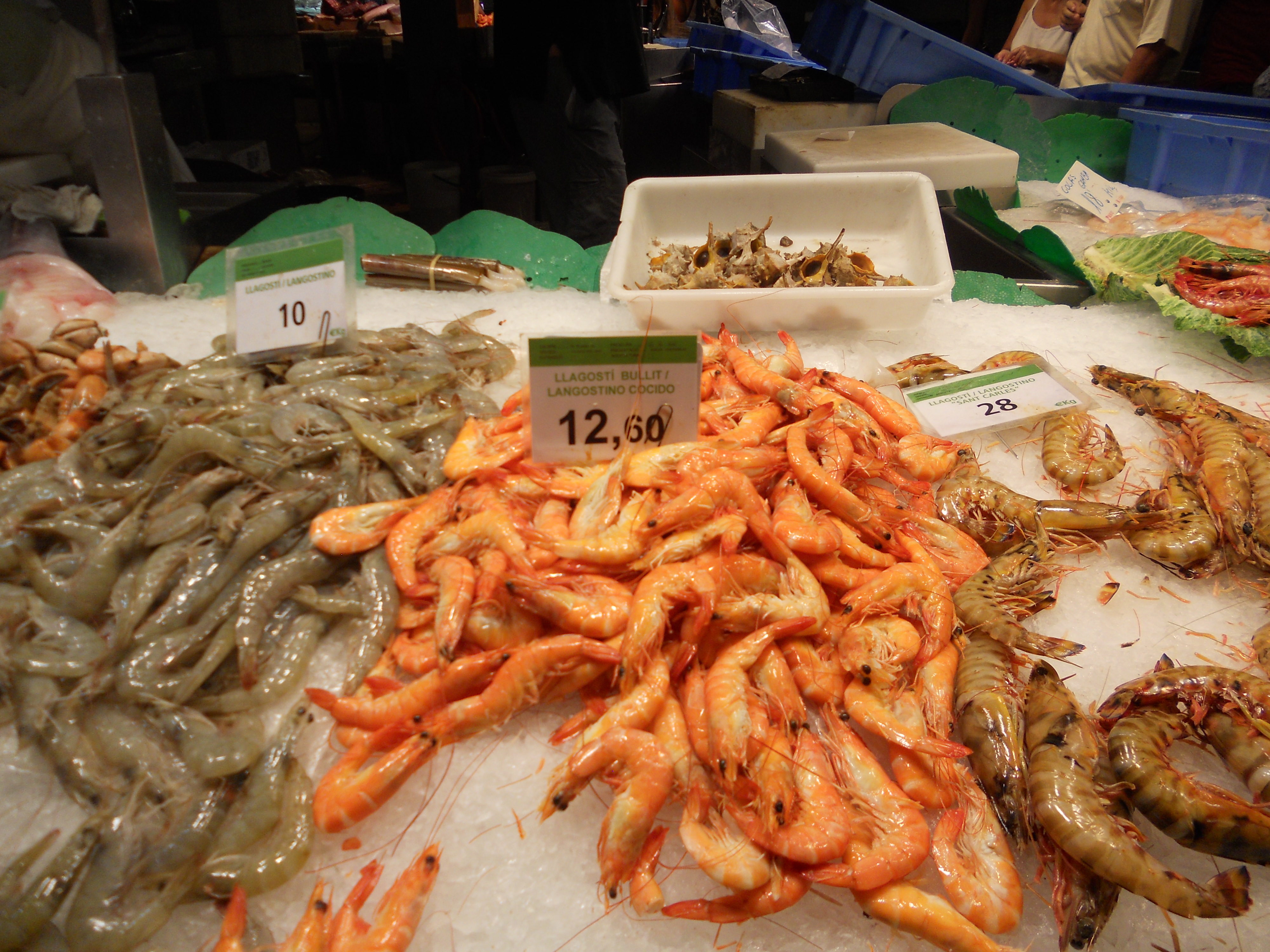
“Mercat de la Boquería” (Boquería Market), is Europe’s largest food market and a gastronomy paradise. This Catalan classic is the foundation of Barcelona’s fascination with food and a must see for all foodies and chefs. Nowadays, it has more than 300 stalls and several small bar/restaurants stocked with eye-popping displays of salted fish, exotic fruits, wild mushrooms (ceps and bolets), artisanal chocolates, candies, spices, nuts and much more. It is a place to see and smell an amazingly lively gastronomic scene: a colorful bounty that is a testament to the fertile region and Catalan’s desire for the freshest and tastiest foodstuffs available.

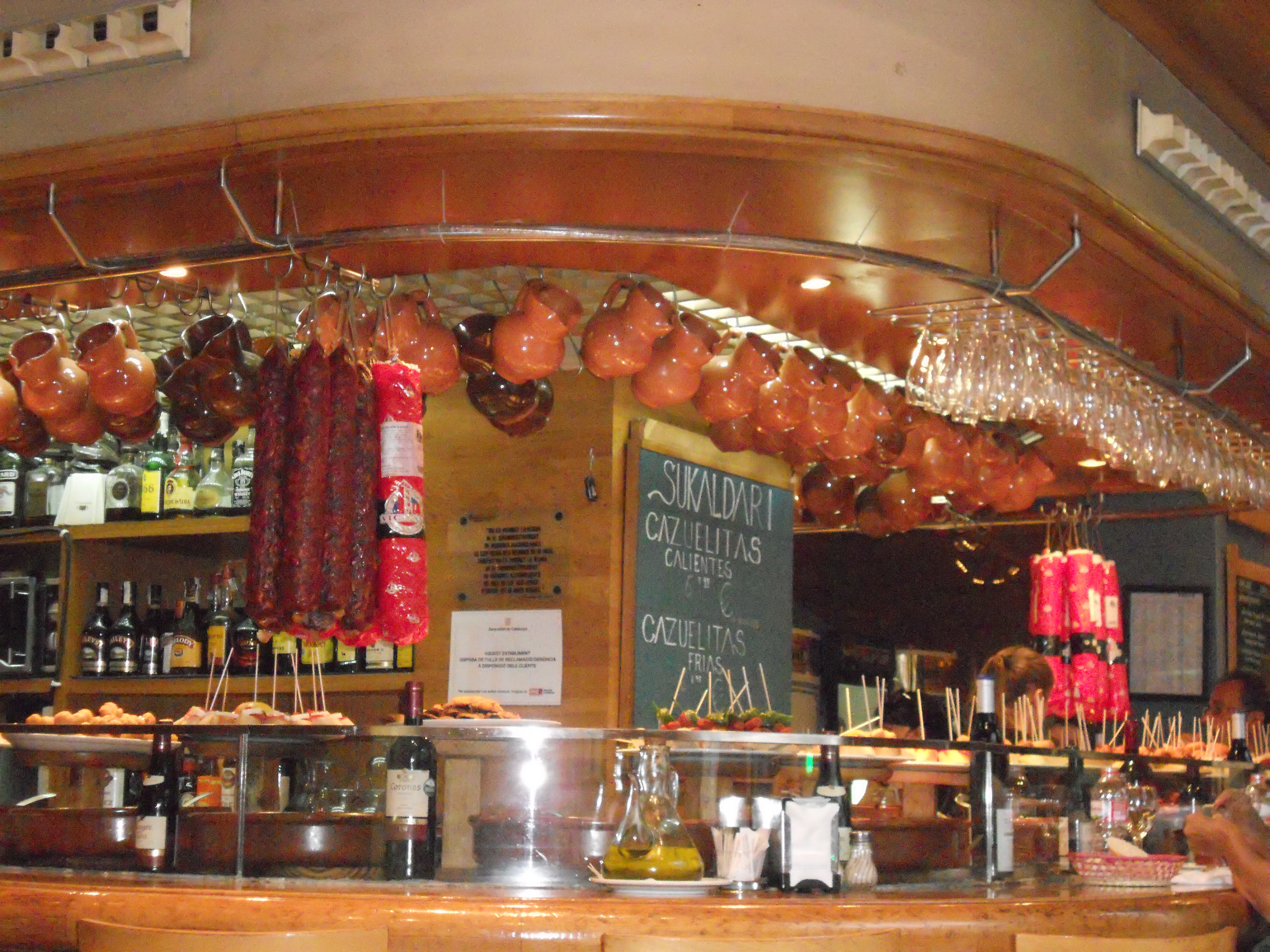
All that seeing and smelling of great food at  “La Boquería” had worked my appettite. It is time for a snack or “tapa”!

“Tapas” or “Pintxos” as it is called in The Basque country  is a way for Spaniards to avoid drinking with an empty stomach. That being said, the most common beverage consumed with tapas is probably “cerveza” or beer. You usually order it by the glass or “caña”.

These little plates like: pimientos (baked stuffed piquillo peppers), tortilla española (thick potato omelet), albóndigas (pork mini meatballs that are so tasty enough to almost convert a vegetarian like me), jamón serrano (air-dried mountain ham always accompanied by bread and sliced so thin that you can almost see through), patatas  bravas (fried potatoes smothered in piquant, bright-orange paprika-garlic sauce called aioli that have become a national standard), etc, make up the unofficial fourth meal of the day and are best enjoyed in tapas bars before 10 pm dinner hour. Yes, my beloved Americans friends, I said it: 10 pm dinner time!… My stomach clock (if there is any) is still trying to get used to this eating time habits!